Description
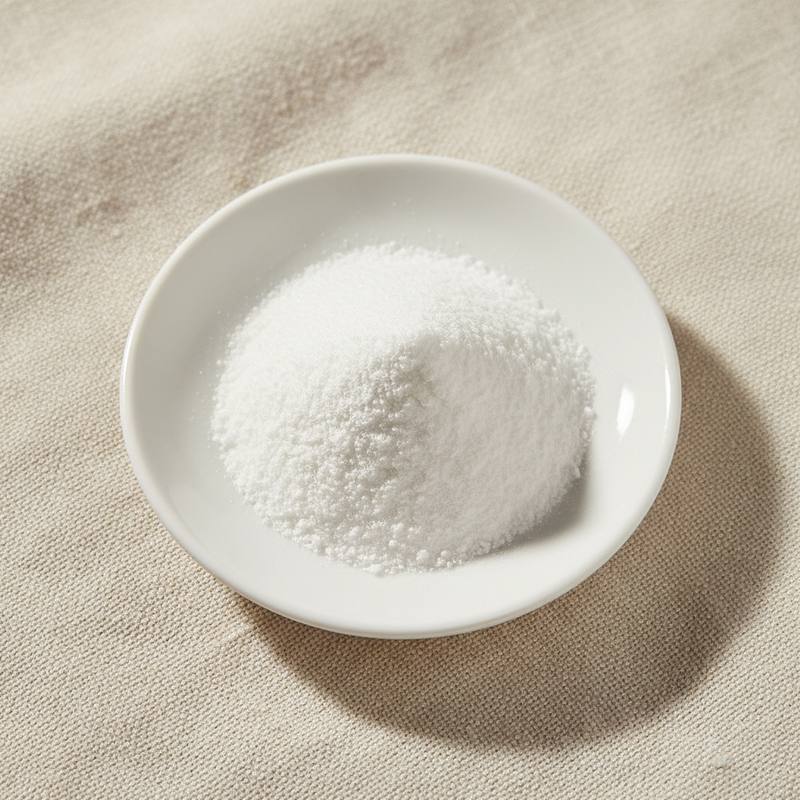
A food-grade variant of sodium carboxymethyl cellulose produced by the alkaline reaction of cellulose with monochloroacetic acid. Provides cold-water-soluble thickening, suspension, and stabilization across a wide pH and temperature range.
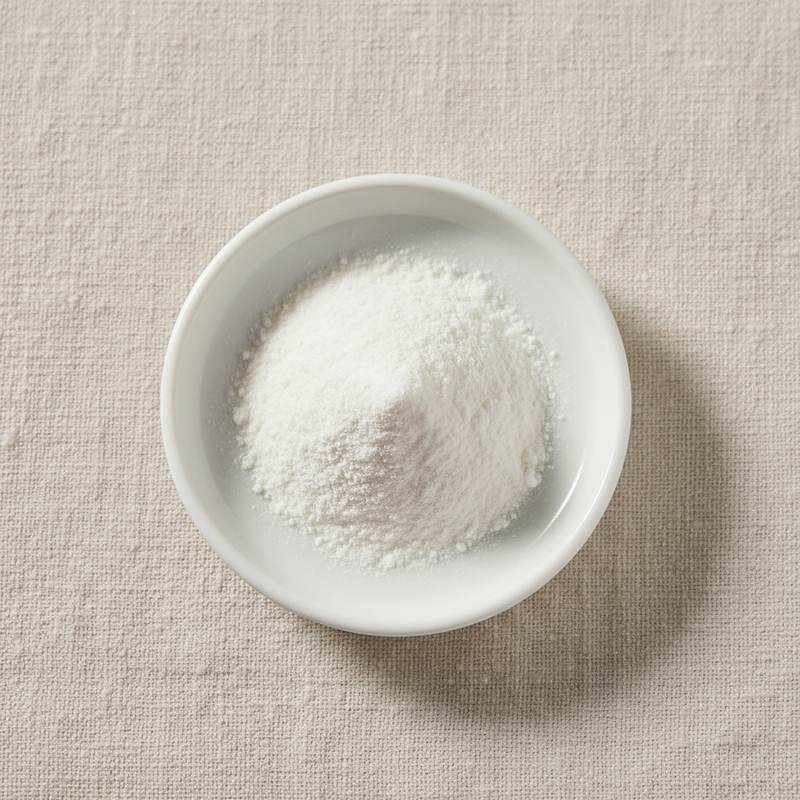
White to off-white free-flowing powder. Highly water-soluble. Forms clear, viscous solutions with controlled rheology depending on degree of substitution and molecular weight.
We supply food-grade Sodium CMC from manufacturers in China holding ISO, Halal, Kosher and other certifications relevant to the product and production. China is the dominant global producer of CMC across all viscosity grades.
Common market grades include FH9 high-viscosity, FM6 medium-viscosity, FL10 low-viscosity, ice-cream grade (FVH9), and beverage grade (FVH6). Degree of substitution typically 0.7 to 0.9 for food applications.
Bulk and reduced-MOQ shipments. Batch-level COA covering viscosity, degree of substitution, sodium chloride content, heavy metals, and microbiology.
Introduction
Sodium CMC was developed in Germany during World War I as a wartime substitute for natural gums. Industrial production scaled in the 1940s and the compound is now the world's most widely used cellulose-derivative hydrocolloid by volume.
The molecule is produced by Williamson ether synthesis: cellulose is alkalized with sodium hydroxide, then reacted with sodium monochloroacetate to introduce carboxymethyl groups at the hydroxyl positions of glucose. Degree of substitution and molecular weight together determine the rheological profile.
Food-grade CMC is regulated as E466 in the EU, classified as Generally Recognized as Safe by the U.S. FDA, and approved by JECFA with an Acceptable Daily Intake not specified. The food grade differs from technical or pharmaceutical grades primarily in purity specifications for heavy metals, residual solvents, and microbial limits.
The compound's value in food applications stems from its cold-water solubility, pseudo-plastic flow behavior, and stability across pH 4 to 10, which makes it suitable for a broader application range than most natural gums.
Where it is used
- Ice cream and frozen desserts; controls ice-crystal growth and improves texture
- Dairy products: yogurts, flavored milks, and chocolate milk stabilization
- Acidified beverages including juice drinks and soy beverages
- Bakery products as a dough conditioner and moisture-retention agent
- Sauces, dressings, and condiments for viscosity control
- Gluten-free baking as a structure-builder
- Confectionery jellies and toppings
- Frozen and refrigerated ready meals
Technical data
| Item | Specification |
|---|---|
| Appearance | White to off-white powder |
| Purity (dry basis) | ≥ 99.5% |
| Degree of substitution | 0.7 to 0.9 |
| Viscosity (1% solution, 25 °C) | Per grade specification |
| Sodium chloride | ≤ 0.5% |
| Loss on drying | ≤ 10.0% |
| pH (1% solution) | 6.0 to 8.5 |
| Heavy metals (as Pb) | ≤ 5 mg/kg |
| Total plate count | ≤ 5000 cfu/g |
Related ingredients
Ready to discuss business?
Send us your spec and requirement. We will respond with availability and pricing within 24 hours.