Description
An organic selenium-containing amino acid in which the sulfur atom of methionine is replaced by selenium, supplying approximately 39 percent elemental selenium by weight. The L-isomer is the biologically active form and is the dominant selenium species in foods derived from selenium-rich soils and selenium-enriched yeast.
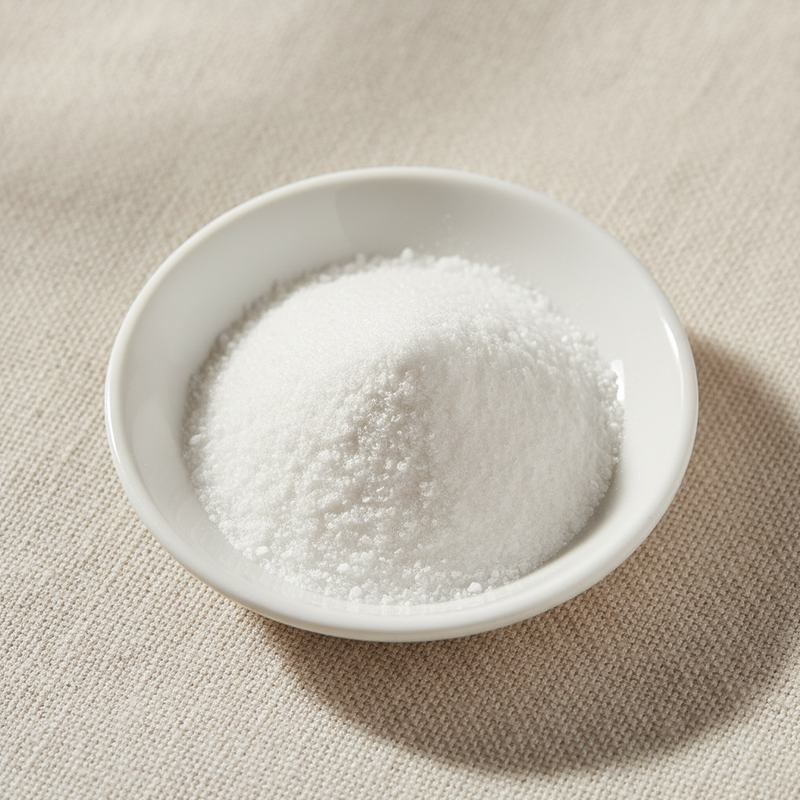
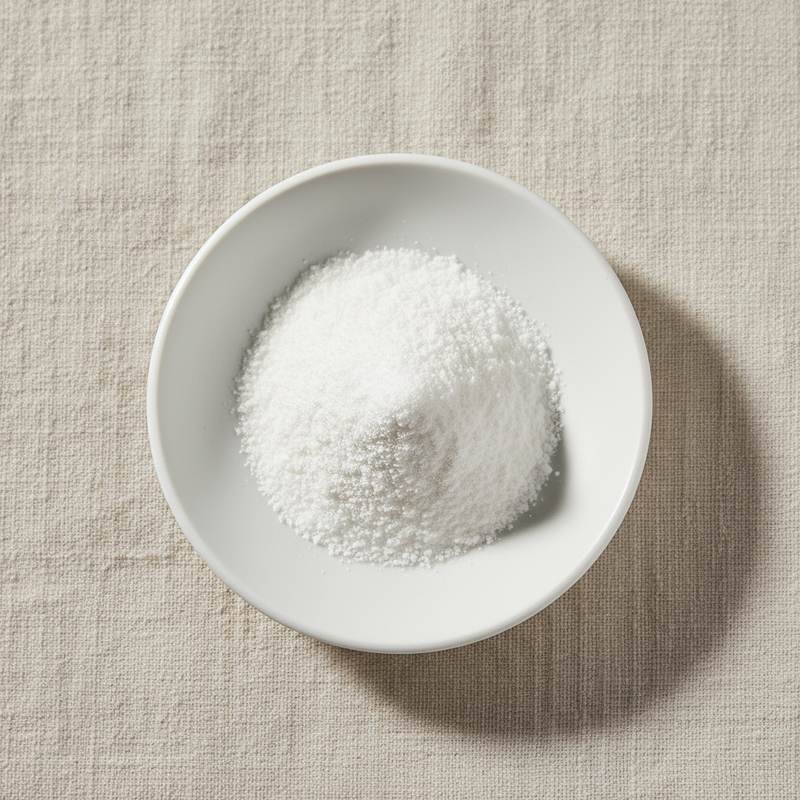
White to off-white free-flowing powder, freely soluble in water and acidic solutions. Mild characteristic odor and neutral taste at supplemental doses.
We supply food-grade and pharmaceutical-grade L-Selenomethionine from manufacturers in China holding ISO, FSSC 22000, Halal, Kosher, and other certifications relevant to the product and production.
Common market grades include synthetic L-selenomethionine (chemically synthesized), selenium-enriched yeast (Saccharomyces cerevisiae grown on selenium-rich media yielding 1000 to 3000 ppm selenium predominantly as selenomethionine), and dilution premixes for premix and capsule applications. Bulk and reduced-MOQ shipments with batch-level COA covering assay, total and speciated selenium content, heavy metals, and microbiology.
Introduction
Selenium is an essential trace element and a constituent of selenoproteins including glutathione peroxidase, thioredoxin reductase, and the iodothyronine deiodinases responsible for thyroid hormone activation. Dietary selenium intake varies dramatically with soil selenium content, with deficiencies common in parts of China, Eastern Europe, and New Zealand.
Synthetic L-selenomethionine is produced by total chemical synthesis with strict control of L-isomeric purity. Selenium-enriched yeast is produced by fermentation of Saccharomyces cerevisiae in media supplemented with sodium selenite, with biological incorporation of selenium into yeast methionine residues yielding a selenium speciation profile of approximately 60 to 80 percent selenomethionine.
Regulatory status includes GRAS notifications with FDA for L-selenomethionine and selenium-enriched yeast, recognition as a permitted source of selenium in food supplements and fortified foods under EU Regulation 1925/2006, EFSA scientific opinions confirming bioavailability, and authorization as a feed additive under EU Regulation 1831/2003.
Bioavailability of selenium from selenomethionine is significantly higher than from inorganic forms (sodium selenite or selenate), with near-complete absorption and incorporation into body protein pools as a methionine analog. The organic form is preferred for sustained tissue selenium status and for the documented thyroid and antioxidant benefits of selenium supplementation.
Where it is used
- Selenium supplements in capsules and tablets
- Thyroid health and Hashimoto's adjunct formulations
- Antioxidant and anti-aging supplement blends
- Men's health and reproductive support products
- Multivitamin and multi-mineral tablets
- Functional foods and selenium-fortified milk powders
- Animal feed selenium supplementation (selenium-yeast format)
- Cancer prevention and adjuvant nutrition (clinical context)
- Hair, skin, and nail support formulations
Technical data
| Item | Specification |
|---|---|
| Appearance | White to off-white free-flowing powder |
| Assay (L-selenomethionine, dry basis) | ≥ 98.0% (synthetic grade) |
| Elemental selenium (synthetic) | 39 to 40% w/w |
| Elemental selenium (yeast) | 0.1 to 0.3% w/w (1000 to 3000 ppm) |
| Selenomethionine fraction (yeast) | 60 to 80% of total selenium |
| Isomeric purity (L-form) | ≥ 99% |
| Loss on drying | ≤ 5.0% |
| Heavy metals (as Pb) | ≤ 5 mg/kg |
| Arsenic | ≤ 1 mg/kg |
| Cadmium | ≤ 0.5 mg/kg |
| Mercury | ≤ 0.1 mg/kg |
| Microbiology | Meets food/pharmaceutical-grade limits |
| Shelf life | 24 to 36 months from manufacture under recommended storage |
| Storage | Cool, dry, sealed; protect from light |
Related ingredients
Ready to discuss business?
Send us your spec and requirement. We will respond with availability and pricing within 24 hours.