Description
Sea buckthorn oil from the fruit pulp and seeds of Hippophae rhamnoides, produced by cold-pressing and supercritical CO2 extraction. Two distinct oils are differentiated by source tissue: fruit pulp oil rich in palmitoleic acid (omega-7) and carotenoids, and seed oil dominated by linoleic and alpha-linolenic acids.
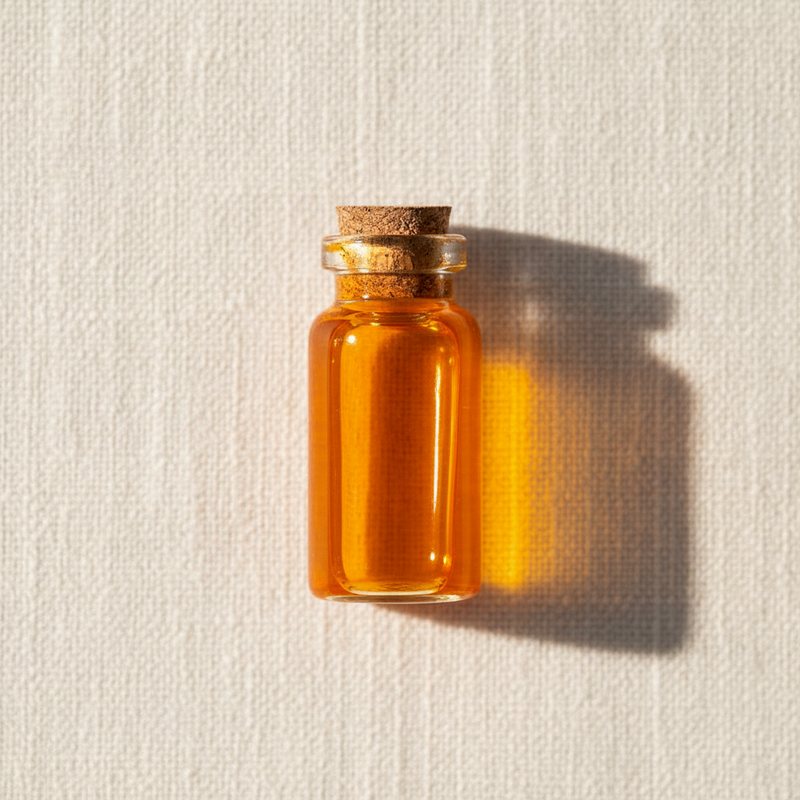
Pulp oil is a deep orange-red to red viscous oil with a strong fruity aroma. Seed oil is a yellow to amber clear oil with a milder flavor. The combined fruit-and-seed oil sold as standard sea buckthorn oil carries a defining content of palmitoleic acid (typically 25% to 35%), one of the only commercial plant sources of this omega-7 fatty acid.
We supply food-grade and cosmetic-grade Sea Buckthorn Oil from manufacturers in China (the world's largest producing country) holding ISO, Halal, Kosher, and organic certifications relevant to the product and production.
Common market grades include Cold-Pressed Fruit Pulp Oil (premium orange-red oil), CO2-Extracted Fruit Oil (high carotenoid concentration), Cold-Pressed Seed Oil, and Standardized Blends with defined palmitoleic acid content. Microencapsulated powder versions are available under separate listings.
Bulk and reduced-MOQ shipments. Batch-level COA covering fatty acid profile, total carotenoids, total tocopherols, peroxide value, acid value, heavy metals, and microbiology.
Introduction
Sea buckthorn (Hippophae rhamnoides) is a hardy deciduous shrub native to a broad range across Europe and Asia, with major commercial cultivation concentrated in China, Russia, Mongolia, and the Himalayan region. China is the world's largest producer and processor of sea buckthorn oil. The plant has been used in traditional Chinese, Tibetan, and Russian medicine for centuries for skin, mucosal, and digestive complaints.
The bright orange berries are processed in two ways. Fruit pulp oil is produced by separating the berries into pulp and seed fractions, with the pulp oil cold-pressed or CO2-extracted from the carotenoid-rich pericarp. Seed oil is cold-pressed from the small seeds and carries a more conventional polyunsaturated fatty acid profile. Whole-berry oil combines both fractions.
The defining functional features are the high palmitoleic acid content (25% to 35% in pulp oil), the carotenoid content (200 to 800 mg/kg total carotenoids in pulp oil), and the tocopherol and phytosterol content shared across both fractions. Palmitoleic acid is the only commercially relevant dietary omega-7 fatty acid and is the basis of the beauty-oil positioning that defines the consumer category.
Regulatory status is broad. Sea buckthorn oil is permitted as a conventional food in China under GB 1.5, recognized as a conventional food in the EU and U.S., and approved as a cosmetic ingredient in all major markets.
Commercial positioning sits in the premium supplement and cosmetic segment where the species identity (an East Asian heritage berry), the distinctive bright orange color, and the unique palmitoleic acid content combine to support price premiums that few other seed and fruit oils command.
Where it is used
- Premium skin, hair, and beauty-from-within supplements; palmitoleic acid is a defining marker in beauty-oil positioning
- Mucosal health and dry-mouth, dry-eye, and vaginal health support products
- Antioxidant and immune support supplements built on carotenoid and tocopherol content
- Cosmetic and skincare formulations including anti-aging serums, lip balms, and burn-care creams
- Functional food and beverage fortification (with appropriate emulsion technology)
- Cardiovascular and metabolic health supplements
- Pet supplements for skin and coat health
- Pharmaceutical excipient for topical and oral formulations
Technical data
| Item | Specification |
|---|---|
| Appearance (pulp oil) | Deep orange-red to red viscous oil |
| Appearance (seed oil) | Yellow to amber clear oil |
| Palmitoleic acid (C16:1 omega-7, pulp oil) | 25% to 35% |
| Palmitic acid (C16:0, pulp oil) | 30% to 40% |
| Linoleic acid (C18:2, seed oil) | 30% to 40% |
| Alpha-linolenic acid (C18:3, seed oil) | 25% to 35% |
| Total carotenoids (pulp oil) | 200 to 800 mg/kg |
| Total tocopherols | 100 to 300 mg/100g |
| Peroxide value | ≤ 5.0 meq/kg |
| Acid value | ≤ 5.0 mg KOH/g |
| Moisture | ≤ 0.2% |
| Heavy metals (as Pb) | ≤ 0.5 mg/kg |
| Source | Cold-pressed or CO2-extracted Hippophae rhamnoides fruit pulp and seed |
Related ingredients
Ready to discuss business?
Send us your spec and requirement. We will respond with availability and pricing within 24 hours.