Description
Food-grade refined glycerol at 99.5 percent minimum purity, meeting FCC and JECFA specifications for use as a food additive (E422). Produced from refined vegetable oils through hydrolysis and vacuum distillation.
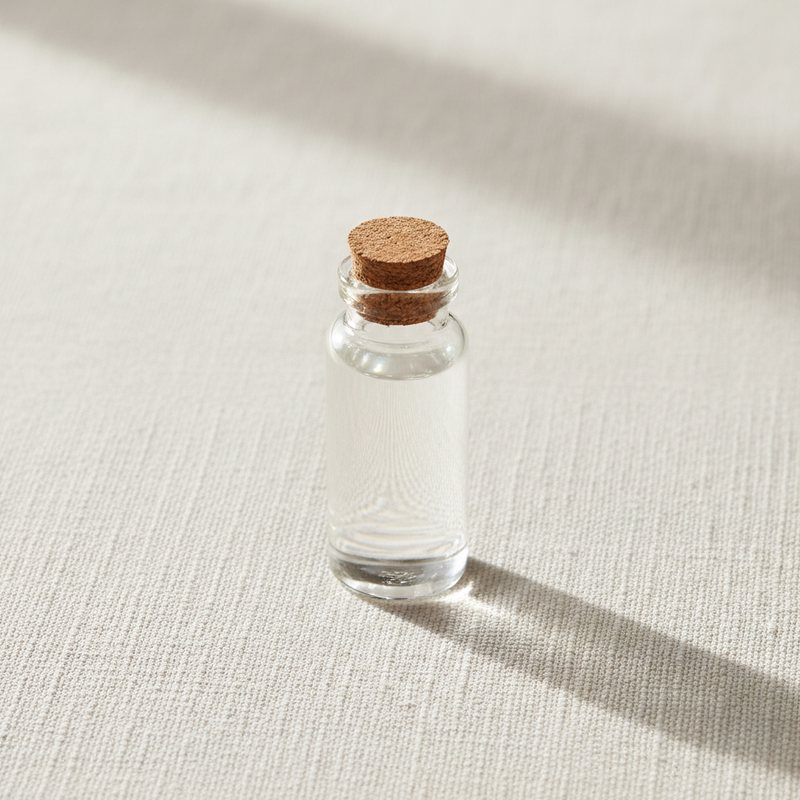
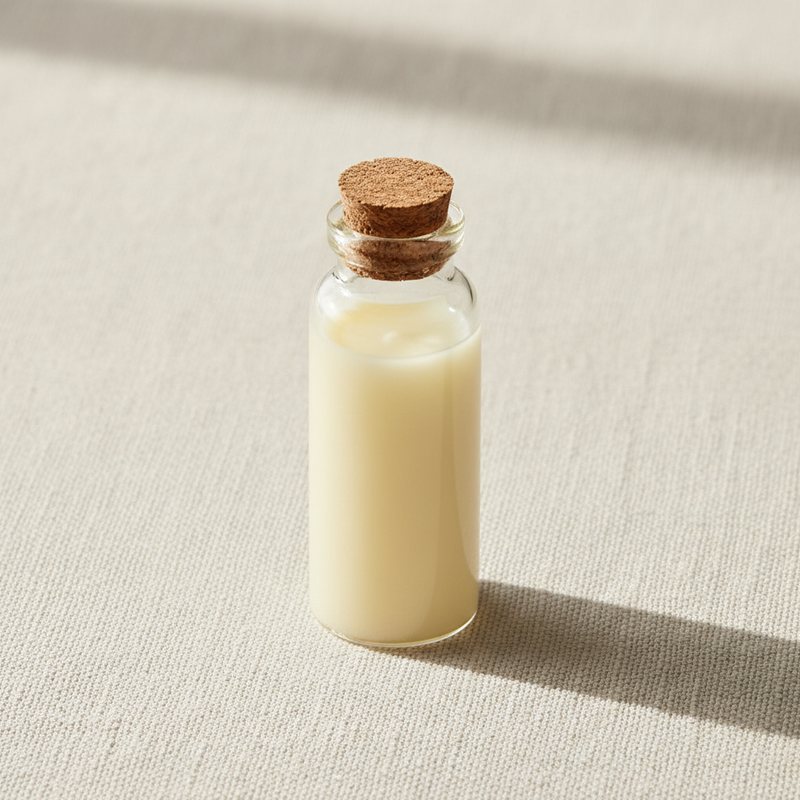
Clear, colorless to very pale yellow viscous liquid with a sweet taste. Hygroscopic and miscible with water and ethanol in all proportions.
We supply food-grade Glycerol from manufacturers in China holding ISO, Halal, Kosher and other certifications relevant to the product and production.
Common market grades include Refined 99.5% min (the standard food-grade specification), 99.7% min for premium applications, and non-GMO and sustainable-sourced variants from soy, rapeseed, or palm feedstocks. Kosher and Halal documentation are standard.
Bulk and reduced-MOQ shipments. Batch-level COA covering glycerol assay, water content, residue on ignition, heavy metals, and chloride.
Introduction
Glycerol is an essential intermediate in lipid metabolism and a natural component of every triglyceride fat. Commercial production today is dominated by the biodiesel industry, where glycerol is a major co-product of methyl ester manufacture.
Food-grade glycerol is produced either by purification of biodiesel-derived crude glycerin (after stringent removal of methanol, salts, and other impurities) or by direct hydrolysis of refined vegetable oils. Both routes converge on a finished product meeting FCC and JECFA specifications.
The compound is regulated as E422 in the EU, classified as Generally Recognized as Safe in the United States, and approved by JECFA without a numerical Acceptable Daily Intake limit.
Sweetness is approximately 60 percent of sucrose with a slightly cooling sensation. Caloric value is 4.32 kcal per gram, though the compound is sometimes labeled and used as a sugar alcohol with reduced caloric declaration in select jurisdictions.
The principal commercial value of food-grade glycerol is its humectant action: hygroscopic retention of moisture in finished products supports shelf life, texture, and resistance to staling in baked goods, confectionery, and tobacco applications.
Where it is used
- Humectant in baked goods, confectionery, and soft-textured snack products
- Sweetener and humectant in fondant, frostings, and pastry fillings
- Liquid sweetener in toothpaste, mouthwash, and oral-care products
- Plasticizer in edible films, casings, and food coatings
- Solvent and carrier for food colors, flavors, and herbal extracts
- Liquid sweetener and humectant in tobacco products
- Functional food fortification including jerky and dried-fruit products
- Bakery and pastry shelf-life extension
- Pet food humectant in semi-moist and treat applications
Technical data
| Item | Specification |
|---|---|
| Appearance | Clear colorless to very pale yellow viscous liquid |
| Glycerol assay | ≥ 99.5% |
| Water content | ≤ 0.5% |
| Specific gravity (20/20 °C) | 1.2610 to 1.2630 |
| Residue on ignition | ≤ 0.01% |
| Heavy metals (as Pb) | ≤ 0.5 mg/kg |
| Arsenic | ≤ 1 mg/kg |
| Chloride | ≤ 30 mg/kg |
| Color (APHA) | ≤ 10 |
Related ingredients
Ready to discuss business?
Send us your spec and requirement. We will respond with availability and pricing within 24 hours.