Description
A natural phospholipid emulsifier derived from rapeseed (canola) oil refining. Positioned as a soy-free and GMO-controllable alternative for European and other markets where rapeseed is the dominant oilseed.
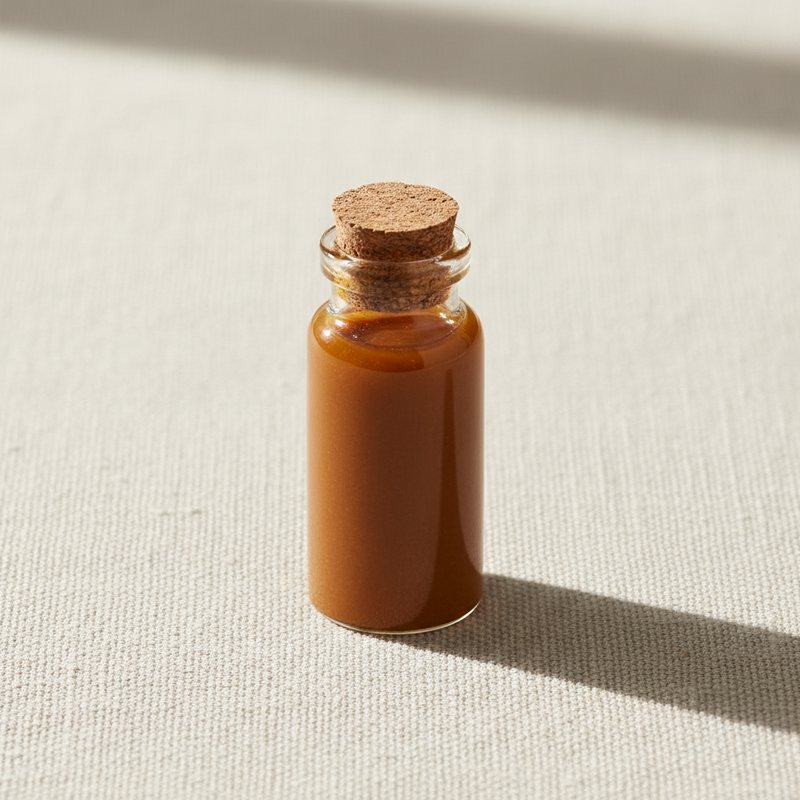
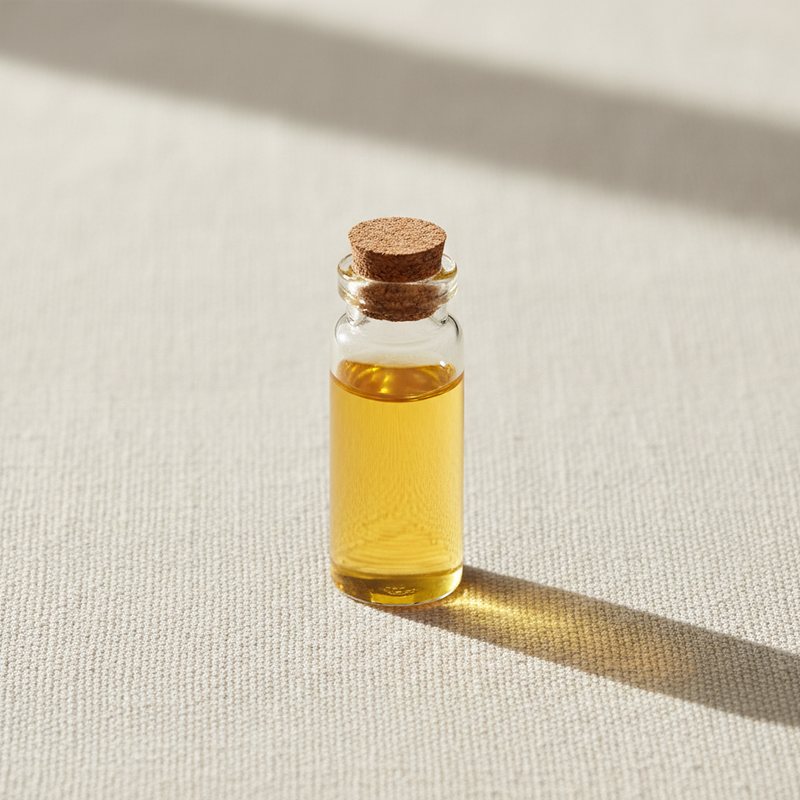
Brown viscous liquid in the standard form, with deoiled powder and granular formats also available. Phospholipid composition broadly similar to soy and sunflower lecithins.
We supply food-grade Rapeseed Lecithin from manufacturers in China holding ISO, Halal, Kosher and other certifications relevant to the product and production. Non-GMO grades are available on request.
Common market grades include Standard Liquid (60% min acetone-insoluble), Deoiled Powder for dry-blend applications, Deoiled Granular for capsule and tablet use, and Hydrolyzed (modified) Rapeseed Lecithin for improved water dispersibility.
Bulk and reduced-MOQ shipments. Batch-level COA covering acetone-insoluble matter, acid value, peroxide value, hexane residue, and microbiology.
Introduction
Rapeseed lecithin developed as a commercial product alongside the expansion of European rapeseed (canola) oil refining in the late twentieth century. As the dominant oilseed in the EU, rapeseed naturally supplies a large volume of lecithin-bearing gum fraction during refining.
Production parallels soy and sunflower lecithin: the gum fraction separated during rapeseed oil refining is dried, optionally bleached and deoiled, and standardized to target acetone-insoluble content. The phospholipid mix includes phosphatidylcholine, phosphatidylethanolamine, phosphatidylinositol, and minor phosphatidylserine and phosphatidic acid.
Rapeseed lecithin shares the E322 designation in the EU, qualifies as GRAS in the United States as a lecithin source, and inherits the favorable JECFA classification of lecithin without a numerical Acceptable Daily Intake limit.
For European food manufacturers seeking a locally sourced, soy-free, allergen-friendly emulsifier with a clean-label profile, rapeseed lecithin is the natural choice and now represents a significant share of EU lecithin consumption.
Where it is used
- Allergen-free bakery dough conditioners; an alternative to soy lecithin in EU and European-export bakery
- Margarine and table spread emulsifier; widely used in European margarine manufacture
- Chocolate viscosity reduction in clean-label and premium positioning
- Plant-based meat and dairy analog emulsifier
- Soft-gel capsule fill in dietary supplements
- Industrial baking and convenience food emulsion systems
- Cosmetic and personal-care emulsion creams
- Animal feed phospholipid supplementation
Technical data
| Item | Specification |
|---|---|
| Appearance | Brown viscous liquid (or per grade) |
| Acetone-insoluble matter | ≥ 60.0% (liquid) or ≥ 95.0% (deoiled) |
| Moisture | ≤ 1.0% (liquid) or ≤ 2.0% (deoiled) |
| Acid value (mg KOH/g) | ≤ 36.0 |
| Peroxide value (meq/kg) | ≤ 5.0 |
| Hexane residue | ≤ 50 mg/kg |
| Acetone residue (deoiled grades) | ≤ 500 mg/kg |
| Heavy metals (as Pb) | ≤ 2 mg/kg |
| Erucic acid content | Low-erucic canola sourcing |
Related ingredients
Ready to discuss business?
Send us your spec and requirement. We will respond with availability and pricing within 24 hours.