Description
Certified organic Stevia leaf extract, produced from organically cultivated Stevia rebaudiana leaves through extraction processes that meet USDA NOP, EU Organic, and equivalent international organic standards.
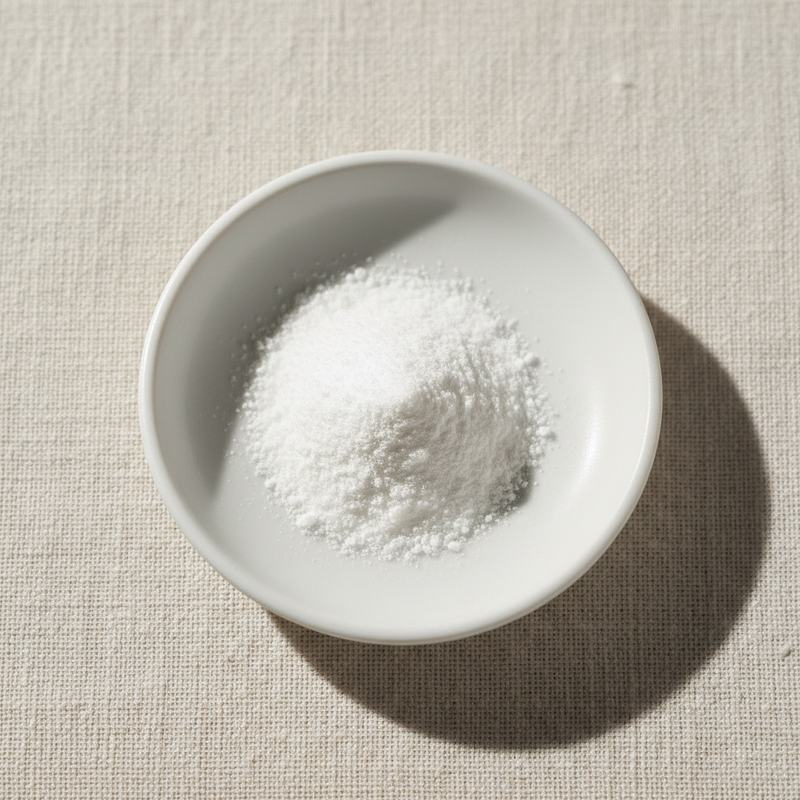
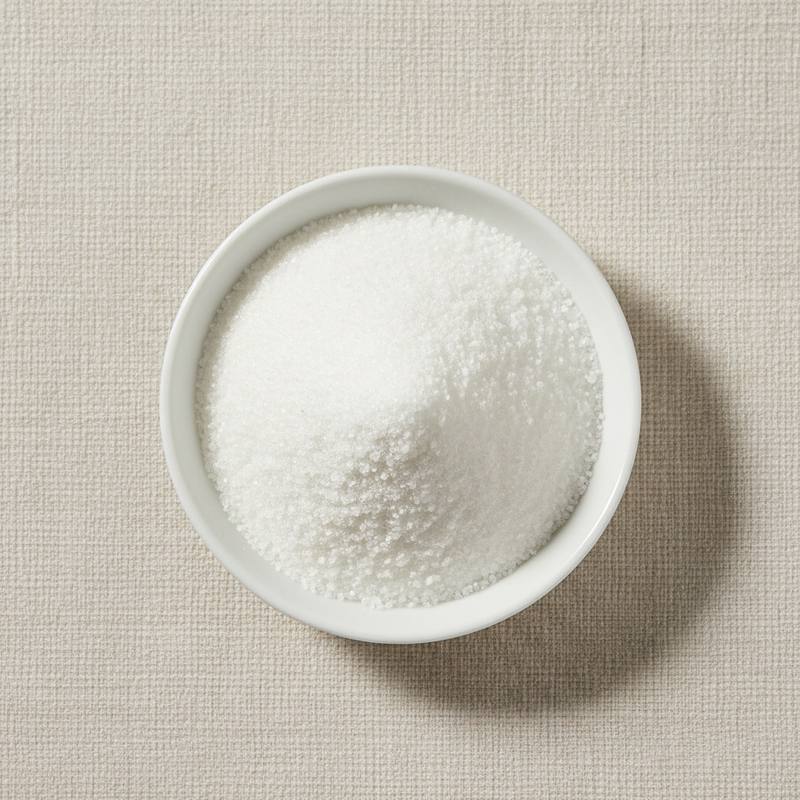
White to off-white powder. 95 percent or higher total steviol glycosides on a dry basis, with Rebaudioside A content available at multiple specification levels for different application requirements.
We supply Organic Stevia from manufacturers in China holding USDA Organic, EU Organic, and other certifications relevant to the product and production.
Common market grades include Reb A 60% Organic (cost-effective for natural-positioned bulk applications), Reb A 80% Organic (the workhorse organic grade for beverages and food reformulation), and Reb A 95%+ Organic (premium clean-taste applications and tabletop blends).
Bulk and reduced-MOQ shipments. Full organic certification documentation issued with every order. Batch-level COA covering total steviol glycosides, Reb A content, residual solvents (water and food-grade ethanol only, no methanol), heavy metals, and microbiology.
Introduction
Organic Stevia Leaf Extract is differentiated from conventional Stevia by both agricultural source and processing chemistry. The leaf material must come from farms certified to organic standards, meaning no synthetic pesticides, no synthetic fertilizers, no GMO seeds, and a documented chain of custody from field to extraction.
Extraction processing must use only organically permitted solvents and processing aids. In practice this means water and food-grade ethanol; methanol, isopropanol, and synthetic ion-exchange resins are excluded by most organic certifications. This restricts the technology stack and adds processing cost relative to conventional Stevia.
Regulated as E960 in the EU since 2011, classified as Generally Recognized as Safe by the U.S. FDA for high-purity steviol glycosides, and approved by JECFA with an Acceptable Daily Intake of 4 mg per kg body weight expressed as steviol equivalents. Organic certification is layered on top of these conventional approvals.
The compound's functional behavior in formulation is identical to conventional Stevia: 200 to 300 times the sweetness of sucrose, heat-stable through baking and retort, pH-stable from 3 to 9, and not metabolized in the systemic sense.
Strategic positioning targets the certified-organic finished-product market, where the organic claim on the finished label requires every input ingredient to carry equivalent certification. The price premium over conventional Stevia is driven by both supply-side cost (lower yields, restricted processing) and demand-side premium pricing in the organic category.
Where it is used
- Certified-organic sugar-free beverages: organic juices, RTD teas, and functional drinks
- Certified-organic baked goods, cookies, breakfast cereals, and granola
- Certified-organic dairy: yogurt, flavored milk, ice cream, and frozen desserts
- Organic tabletop sweetener formats and 1:1 sugar-replacement blends with organic erythritol
- Organic confectionery, chocolate, and chewing gum positioned for clean-label premium retail
- Organic infant and toddler nutrition in markets where regulatory approval applies
- Organic protein bars, snack bars, and meal-replacement products
- Organic sauces, dressings, jams, and condiments
- Organic functional supplements and gummies
Technical data
| Item | Specification |
|---|---|
| Appearance | White to off-white powder |
| Total steviol glycosides | ≥ 95.0% |
| Rebaudioside A | ≥ 60% / ≥ 80% / ≥ 95% |
| Organic certification | USDA Organic / EU Organic |
| Loss on drying | ≤ 6.0% |
| Heavy metals (as Pb) | ≤ 1 mg/kg |
| Total plate count | ≤ 1000 cfu/g |
| Residual solvents | Water and food-grade ethanol only |
Related ingredients
Ready to discuss business?
Send us your spec and requirement. We will respond with availability and pricing within 24 hours.