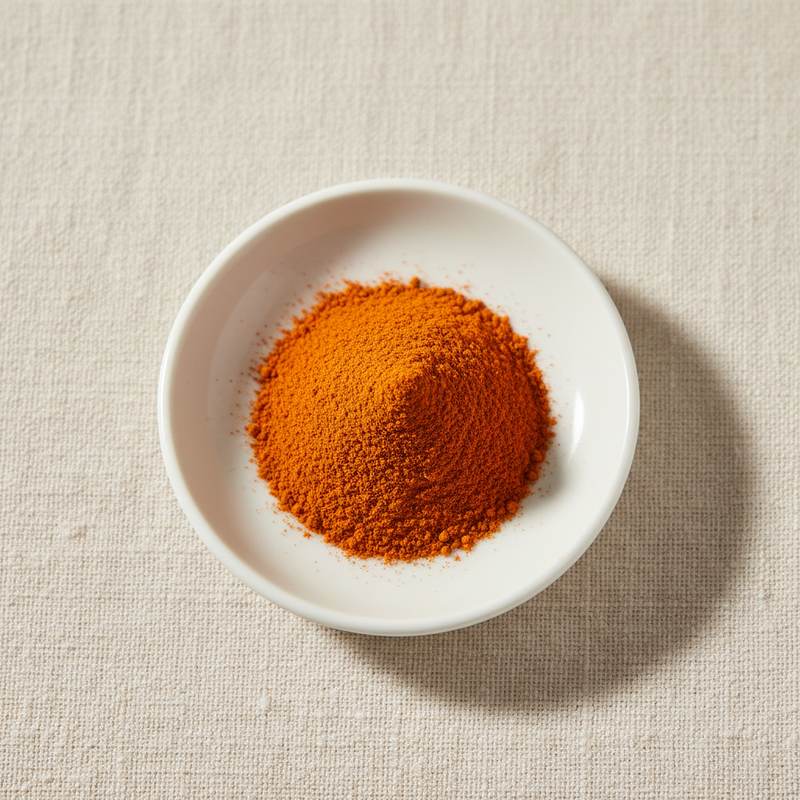
Description
Orange Powder is a pale orange to amber free-flowing powder produced from sweet orange juice, retaining the characteristic citrus flavor, vitamin C, and flavonoid content of fresh oranges in a stable, soluble form.
Manufacturing is by spray drying with a maltodextrin or gum arabic carrier, which manages the high natural sugar content of orange juice during atomization and produces a free-flowing powder suitable for instant beverages and dry-blend applications.
Hesperidin and other citrus flavonoids contribute antioxidant claims in functional and supplement formulations.
We supply food-grade Orange Powder from manufacturers in China holding ISO, HACCP, BRC, Halal, Kosher and other certifications relevant to the product and production.
Common market grades include standard spray-dried orange juice powder with 30 to 50 percent maltodextrin carrier, clean-label spray-dried powder using gum arabic carrier, freeze-dried whole-fruit powder for premium use, and concentrated juice powder formats. Bulk and reduced-MOQ shipments. Batch-level COA covering sugar, acidity, vitamin C, and microbiology.
Introduction
The sweet orange is the most widely cultivated citrus fruit in the world, with major commercial production in Brazil, the United States, China, Mexico, and the Mediterranean basin. Orange juice powder has been an established food ingredient since the development of large-scale spray drying in the mid-twentieth century.
The technology that defines modern orange powder is co-spray drying with a carrier polymer. Pure orange juice contains 8 to 12 percent natural sugars (fructose, glucose, and sucrose) that turn sticky on drying and would otherwise foul the chamber walls. Maltodextrin or gum arabic at 30 to 50 percent of finished mass solves this and provides the additional benefit of encapsulating volatile flavor compounds, which substantially extends finished-product shelf life and flavor stability.
Native vitamin C is partially retained through the drying process, and standardized grades are produced where vitamin C content is part of the specification rather than a native-content claim.
Hesperidin, a citrus flavonoid associated with cardiovascular and microcirculation claims, is enriched in orange peel and pulp and is one of the reasons whole-fruit (juice plus peel) powder is gaining ground over juice-only formats in functional food applications.
Where it is used
- Instant orange drink mixes, breakfast beverage powders, and powdered iced teas
- Bakery products including cakes, muffins, cookies, and glazes
- Confectionery: gummies, hard candies, and chewable tablets
- Dairy flavoring for yogurt, ice cream, and flavored milk
- Breakfast cereals, granola, and snack bars
- Nutritional supplements and vitamin C fortified foods
- Cocktail mixes and powdered drink kits
- Natural citrus flavoring for sauces and marinades
Technical data
| Item | Specification |
|---|---|
| Appearance | Pale orange to amber free-flowing powder |
| Source | Citrus sinensis fruit juice |
| Moisture | ≤ 5.0% |
| Particle size | 80 mesh pass ≥ 95% |
| Total sugars | ≥ 50% |
| Solubility | ≥ 95% |
| pH (1% solution) | 3.5 to 4.5 |
| Heavy metals (as Pb) | ≤ 0.5 mg/kg |
| Arsenic | ≤ 0.5 mg/kg |
| Total plate count | ≤ 10,000 cfu/g |
| Yeast and mold | ≤ 100 cfu/g |
| Salmonella | Absent in 25 g |
Related ingredients
Ready to discuss business?
Send us your spec and requirement. We will respond with availability and pricing within 24 hours.