Description
A flavanone glycoside extracted from citrus peel (principally bitter orange and sweet orange peel byproducts from juice production). Used as a venotonic and vascular-support ingredient in dietary supplements, and as the feedstock for industrial production of Diosmin and Neohesperidin Dihydrochalcone.
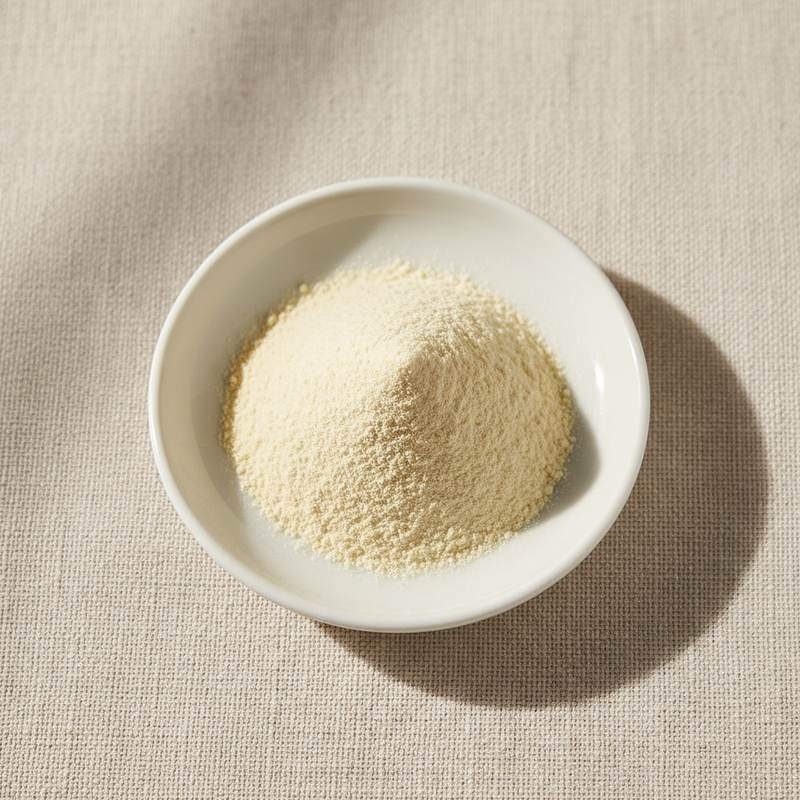
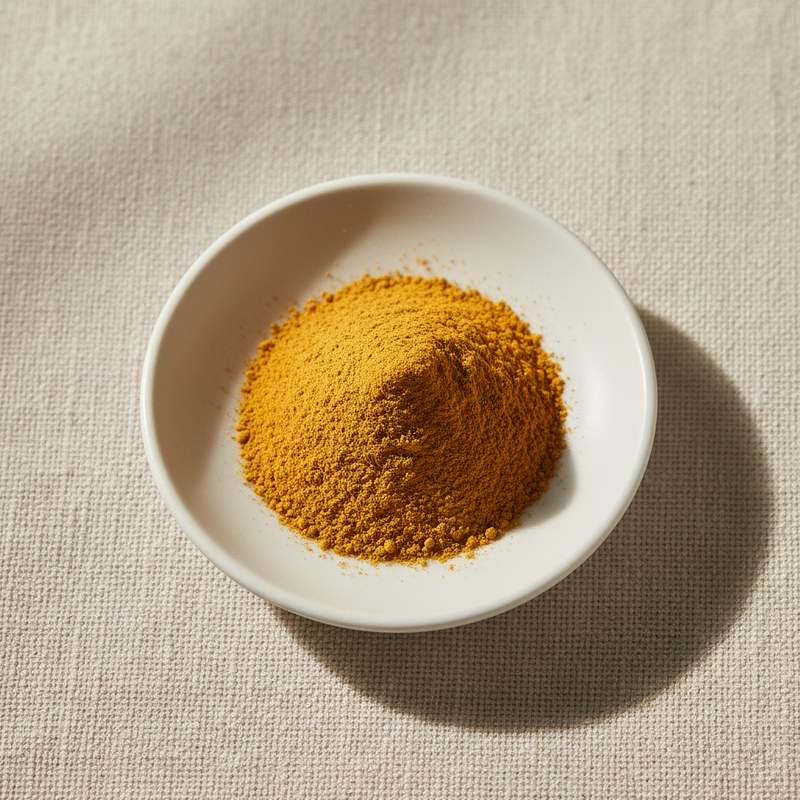
Light yellow to off-white free-flowing powder. Very limited water solubility; modified forms (Hesperidin Methyl Chalcone, glycosylated hesperidin) have substantially improved solubility.
We supply food-grade Hesperidin from manufacturers in China holding ISO, Halal, Kosher and other certifications relevant to the product and production.
Common market grades include Hesperidin 90 percent (standard supplement grade), Hesperidin 95 percent (premium grade meeting USP and EP specifications), Hesperidin 98 percent (pharmaceutical-feedstock grade for Diosmin synthesis), and Enzyme-Modified Hesperidin (G-Hesperidin, the water-soluble glycosylated form for beverage applications).
Bulk and reduced-MOQ shipments. Batch-level COA covering hesperidin content (HPLC), residual solvents, heavy metals, pesticides, and microbiology.
Introduction
Hesperidin was first isolated from orange peel in 1828 and named after the Hesperides of Greek mythology (the nymphs who guarded a grove of golden apples). The compound is the principal flavonoid of sweet orange and bitter orange peel, where it accumulates at substantial concentrations as a defense compound.
Industrial production proceeds by alkaline extraction of dried citrus peels (a byproduct of the juice industry), acid precipitation, and recrystallization to defined purity. The compound is the feedstock for industrial Diosmin and Neohesperidin Dihydrochalcone production, applications that dominate global hesperidin volume.
Recognized as a permitted food ingredient by the U.S. FDA (GRAS), the European Food Safety Authority, and equivalent regulators worldwide. Listed in pharmacopoeias for use in pharmaceutical formulations.
Clinical evidence supports venotonic, anti-inflammatory, and antioxidant applications, although typical supplement doses (200 to 1000 mg per day) are below the pharmacologically active doses used in the clinical literature for venous insufficiency (where the standard is 50 mg as the 10 percent component of a 500 mg diosmin-hesperidin combination twice daily).
Strategic positioning splits between the dietary supplement market (the consumer-facing volume) and pharmaceutical feedstock supply for Diosmin and Neohesperidin Dihydrochalcone production (the industrial volume).
Where it is used
- Cardiovascular and vein-support dietary supplements: the dominant supplement application
- Combination formulations with Diosmin in the standard 9:1 (Diosmin:Hesperidin) ratio
- Citrus bioflavonoid Vitamin C complex products
- Pharmaceutical feedstock for Diosmin and Neohesperidin Dihydrochalcone production (the largest volume application)
- Cosmetic skincare: anti-aging and microcirculation-positioned formulations
- Allergy and inflammation-support dietary supplements
- Premium pet supplements for circulatory health
- Functional beverages using the water-soluble glycosylated form
Technical data
| Item | Specification |
|---|---|
| Appearance | Light yellow to off-white free-flowing powder |
| Hesperidin content (HPLC) | ≥ 90% / 95% / 98% (grade dependent) |
| Loss on drying | ≤ 6.0% |
| Residue on ignition | ≤ 5.0% |
| Heavy metals (as Pb) | ≤ 10 mg/kg |
| Residual solvents | Within ICH Q3C limits |
| Total plate count | ≤ 1000 cfu/g |
| Source | Citrus aurantium / Citrus sinensis dried peels |
Related ingredients
Ready to discuss business?
Send us your spec and requirement. We will respond with availability and pricing within 24 hours.