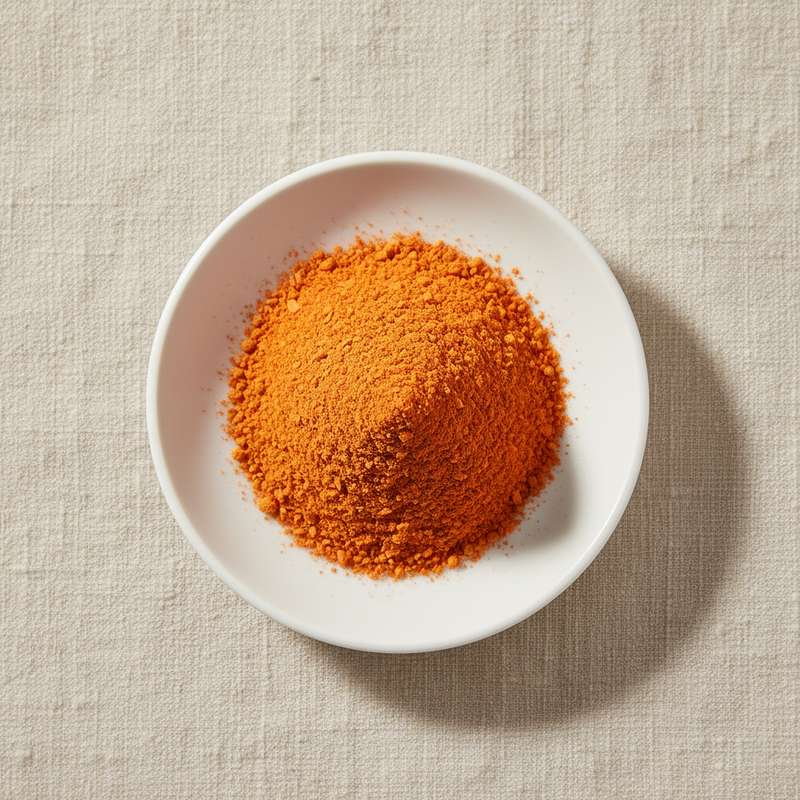
Description
Dehydrated Carrot Flakes are blanched and dried carrot pieces (Daucus carota) that retain the natural orange color and sweet flavor of the fresh root, used in soups, seasoning blends, and ready-meal manufacturing.
Production starts with washing, peeling, and dicing or slicing fresh carrots to the requested cut size. The pieces are then blanched in hot water to inactivate enzymes that would otherwise cause color and flavor degradation during storage, and hot-air dried at 55 to 65 °C to a stable moisture level.
The blanching step preserves the bright orange color and the beta-carotene content, which is both a nutritional marker and the natural pigment responsible for the visual appeal of carrot inclusions in finished food products.
We supply food-grade Dehydrated Carrot Flakes from manufacturers in China holding ISO, HACCP, BRC, Halal, Kosher and other certifications relevant to the product and production.
Common market grades include 3 by 3 mm dice, 5 by 5 mm dice, 10 by 10 mm dice, julienne strips, sliced rings, and powder for thickening applications. Bulk and reduced-MOQ shipments. Batch-level COA covering moisture, beta-carotene, rehydration ratio, microbiology, and heavy metals.
Introduction
The orange carrot we know today was developed in the Netherlands in the seventeenth century from earlier white, yellow, and purple varieties. Modern commercial production is global, with China, Uzbekistan, the United States, and Russia among the largest producers.
Dehydration of carrots is one of the longest-established forms of industrial vegetable processing, dating from military ration development in the First and Second World Wars. The combination of high yield, naturally bright color, dietary value, and short cooking-rehydration time makes carrot a near-universal ingredient in instant soups and freeze-dried meal kits worldwide.
Blanching before drying is the critical processing step. Carrots contain polyphenol oxidase and peroxidase enzymes that would otherwise cause off-flavor and color loss during storage. Properly blanched and dried carrot retains its bright orange appearance and sweet flavor for 18 to 24 months under normal warehouse conditions.
Beta-carotene content is part of the nutritional positioning, particularly in baby food and infant cereal applications, where dehydrated carrot powder is used both as a natural color and as a provitamin A source.
Where it is used
- Instant noodle vegetable packets and cup-soup inclusions
- Seasoning blends and dehydrated vegetable mixes
- Ready-to-eat meal and frozen dinner production
- Pet food and treat formulations as natural color and fiber source
- Baby food and infant nutrition product manufacturing
- Snack food and savory baked product inclusions
- Military and emergency ration vegetable components
- Stew, casserole, and stock-base manufacturing
Technical data
| Item | Specification |
|---|---|
| Appearance | Orange to dark orange flakes or dice |
| Source | Daucus carota fresh root |
| Cut size | 3 by 3 mm, 5 by 5 mm, 10 by 10 mm, or per order |
| Moisture | ≤ 7.0% |
| Rehydration ratio | ≥ 1:7 |
| Beta-carotene | ≥ 40 mg/kg |
| Total ash | ≤ 8.0% |
| SO2 residue | ≤ 30 mg/kg |
| Heavy metals (as Pb) | ≤ 0.5 mg/kg |
| Pesticide residue | Meets EU and GB 2763 |
| Total plate count | ≤ 100,000 cfu/g |
| Salmonella | Absent in 25 g |
Related ingredients
Ready to discuss business?
Send us your spec and requirement. We will respond with availability and pricing within 24 hours.