Description
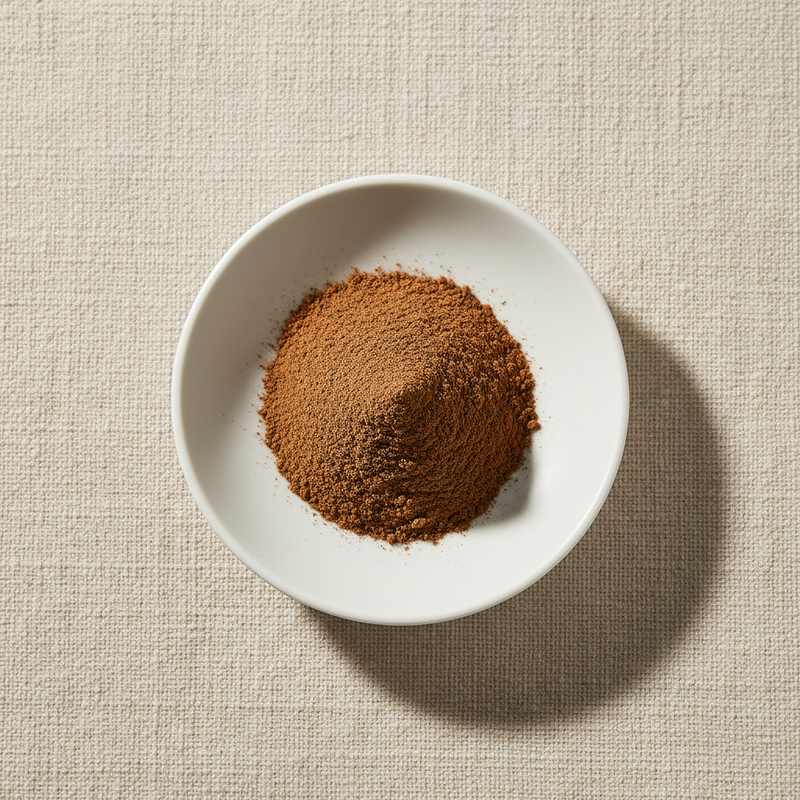
Mushroom Powder is a light brown to brown fine powder produced from culinary or medicinal mushrooms by low-temperature drying followed by fine milling, preserving the natural umami flavor and the beta-glucan and bioactive content of the fresh fruiting bodies.
Culinary grades use shiitake, button, portabella, oyster, and king trumpet mushrooms. Medicinal grades use reishi (Ganoderma lucidum), lion's mane (Hericium erinaceus), chaga (Inonotus obliquus), maitake (Grifola frondosa), turkey tail (Trametes versicolor), and cordyceps (Cordyceps militaris cultivated).
Beta-glucan polysaccharides are the principal active class. Medicinal-grade powders are typically standardized for beta-glucan content. Ergosterol, the fungal precursor to vitamin D2, is converted to vitamin D2 by UV exposure in selected grades for natural vitamin D fortification.
We supply food-grade Mushroom Powder from manufacturers in China holding ISO, HACCP, Halal, Kosher and other certifications relevant to the product and production. Organic grades and species-specific traceable grades are available on request.
Common market grades include single-species culinary powders (shiitake, button, oyster), single-species medicinal powders (reishi, lion's mane, chaga, cordyceps), beta-glucan-standardized extract powders at 15 to 50 percent active, and multi-species functional blends. Bulk and reduced-MOQ shipments. Batch-level COA covering beta-glucan, microbiology, and heavy metals.
Introduction
Mushrooms have a long documented use in East Asian food and medicine, with shiitake cultivation in China dating to at least the Song Dynasty and reishi (lingzhi) appearing in Chinese pharmacopoeial records for more than 2,000 years.
Modern industrial mushroom powder production starts with cultivated fresh fruiting bodies (or sclerotia, in the case of certain medicinal species). The material is washed, sliced, dried at low temperature to preserve heat-sensitive compounds, and fine-milled to 80 mesh or finer.
The two main commercial categories diverge in finished-product positioning. Culinary mushroom powder is sold for its umami flavor and is used as a seasoning ingredient in food manufacturing. Medicinal mushroom powder is sold for its bioactive content, particularly beta-glucan polysaccharides, and is used in supplements and adaptogen products.
Beta-1,3-glucan and beta-1,6-glucan are the principal compounds of interest. They are documented in immunomodulation and anti-tumor research, and standardized beta-glucan content is part of the specification for medicinal-grade powders. Quality differences between whole-mushroom powder and mycelium-grown-on-grain products are a significant industry issue, and traceable fruiting-body sourcing is increasingly demanded by premium supplement brands.
Where it is used
- Umami seasoning blends, soup bases, and broths
- Functional coffee, hot cocoa, and tea adaptogen blends
- Immune-support supplements and capsules
- Nutraceutical formulations and adaptogen products
- Plant-based meat alternatives for umami and color contribution
- Sauces, gravies, and savory snack seasonings
- Bakery applications including savory breads and crackers
- Pet food and premium animal nutrition
Technical data
| Item | Specification |
|---|---|
| Appearance | Light brown to brown fine powder |
| Source | Cultivated mushroom fruiting bodies, species per grade |
| Moisture | ≤ 8.0% |
| Particle size | 80 mesh pass ≥ 95% |
| Beta-glucans | ≥ 15% (medicinal grades), ≥ 5% (culinary grades) |
| Protein | ≥ 20% |
| Ash | ≤ 10.0% |
| Heavy metals (as Pb) | ≤ 1.0 mg/kg |
| Arsenic | ≤ 0.5 mg/kg |
| Total plate count | ≤ 50,000 cfu/g |
| Yeast and mold | ≤ 1,000 cfu/g |
| E. coli / Salmonella | Negative / Absent in 25 g |
Related ingredients
Ready to discuss business?
Send us your spec and requirement. We will respond with availability and pricing within 24 hours.