Description
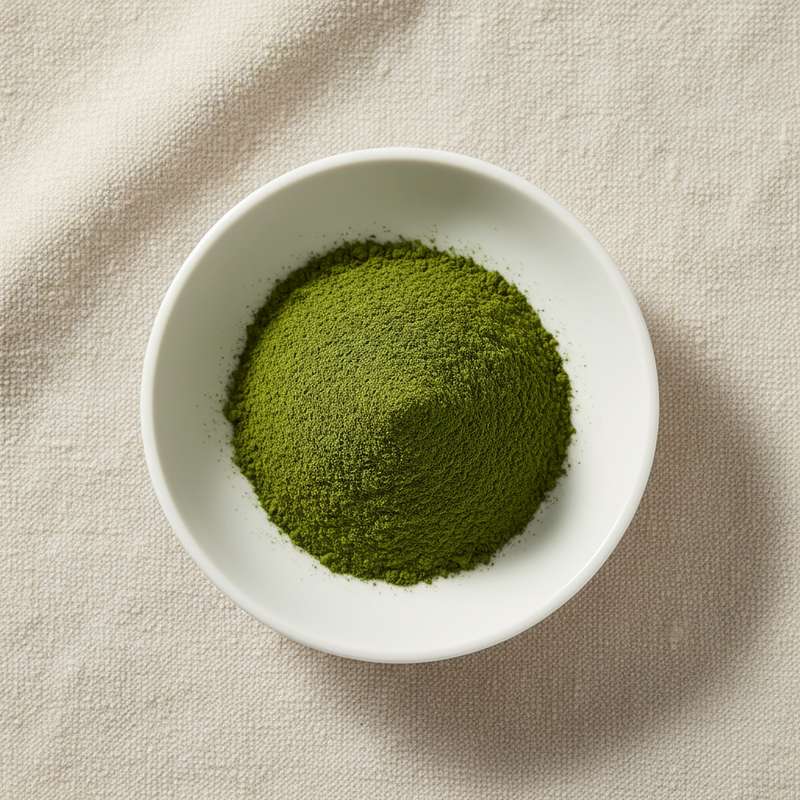
Dried Spinach is washed, blanched, and dehydrated spinach leaves (Spinacia oleracea) that preserve the bright green color, iron content, and nutrient profile of the fresh leaf in a shelf-stable format suitable for food manufacturing.
Production starts with washing fresh-harvested spinach to remove field soil and grit. The leaves are then blanched in hot water to inactivate enzymes and fix the green chlorophyll color, then hot-air dried at 55 to 65 °C to moisture below 8 percent. Freeze-dried spinach for premium applications retains a higher level of vitamin C and folate.
The blanching-and-drying process preserves chlorophyll, iron, beta-carotene, lutein, folate, and the characteristic mineral-rich flavor of spinach.
We supply food-grade Dried Spinach from manufacturers in China holding ISO, HACCP, BRC, Halal, Kosher and other certifications relevant to the product and production. Organic grades are available on request.
Common market grades include flake (3 to 8 mm), chopped (1 to 3 mm), fine cut, and powder (80 to 100 mesh). Freeze-dried whole-leaf grades are produced for premium ready-meal and infant nutrition applications. Bulk and reduced-MOQ shipments. Batch-level COA covering iron, chlorophyll, microbiology, and heavy metals.
Introduction
Spinach is believed to have originated in ancient Persia and was carried to Europe via the Arab world in the medieval period. Modern commercial spinach production is dominated by China, which produces close to 90 percent of the global crop.
Dehydrated spinach is one of the oldest industrial vegetable ingredients, used during the World Wars for military rations and developed thereafter into a standard ingredient for instant soups, noodle seasoning packets, and infant cereals.
The technology centers on the blanching step. Spinach is rich in chlorophyll, peroxidase, and oxalates. Without proper blanching, the leaf turns brown and develops off-flavors within weeks of drying. Properly blanched spinach holds its bright green color for 18 to 24 months under normal warehouse storage.
Iron, folate, lutein, and beta-carotene are the principal nutritional positioning points. Iron content in dried spinach is approximately 15 to 30 mg per 100 g, which is one of the highest among commonly available dehydrated leafy vegetables and underpins the use of spinach powder in iron-fortified infant cereals and supplement formulations.
Where it is used
- Instant noodles and cup-soup vegetable packets
- Pasta dough coloring for green pasta and spinach ravioli
- Baby food and infant cereal fortification for iron and folate
- Green smoothie and beverage powder blends
- Savory bakery: spinach breads, crackers, and savory scones
- Dips, dressings, and creamy spinach mixes
- Frozen and ready-meal vegetable inclusions
- Plant-based protein formulations seeking native iron and green color
Technical data
| Item | Specification |
|---|---|
| Appearance | Dark green flakes, chopped pieces, or fine powder |
| Source | Spinacia oleracea fresh leaf |
| Cut size | Flake 3 to 8 mm, chopped 1 to 3 mm, or 80 to 100 mesh powder |
| Moisture | ≤ 8.0% |
| Total ash | ≤ 15.0% |
| Iron | ≥ 15 mg/100 g |
| Chlorophyll | ≥ 150 mg/100 g |
| SO2 residue | ≤ 30 mg/kg |
| Heavy metals (as Pb) | ≤ 0.3 mg/kg |
| Pesticide residue | Meets EU and GB 2763 |
| Total plate count | ≤ 100,000 cfu/g |
| Yeast and mold | ≤ 300 cfu/g |
| E. coli / Salmonella | Negative / Absent in 25 g |
Related ingredients
Ready to discuss business?
Send us your spec and requirement. We will respond with availability and pricing within 24 hours.