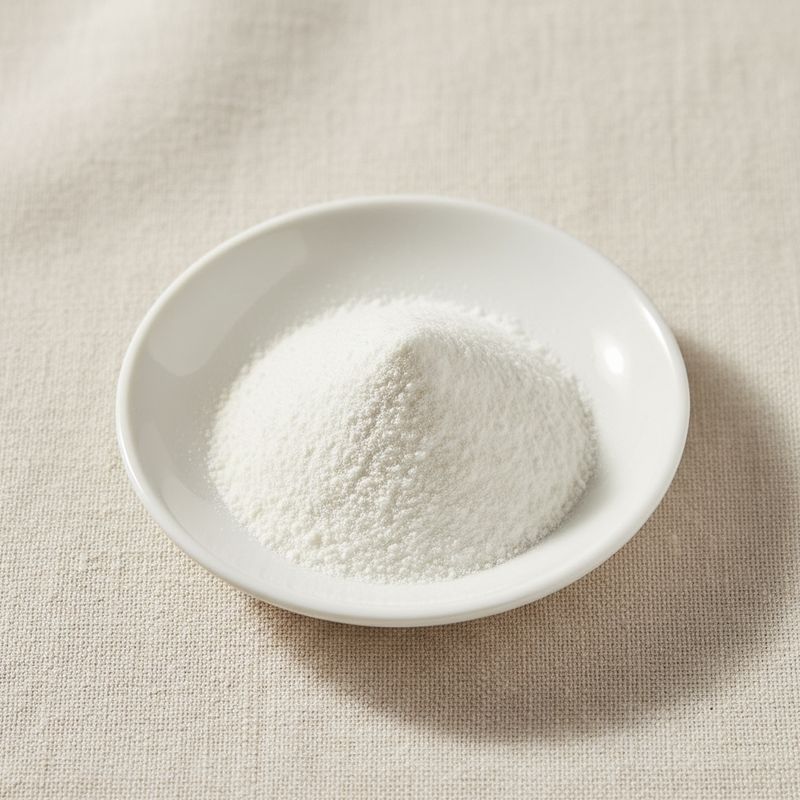
Description
A high-pyruvate xanthan gum produced by selection of Xanthomonas strains and fermentation conditions that maximize pyruvate substitution on the trisaccharide side chain. Higher pyruvate yields stronger interaction with locust bean gum and improved synergy gel strength.
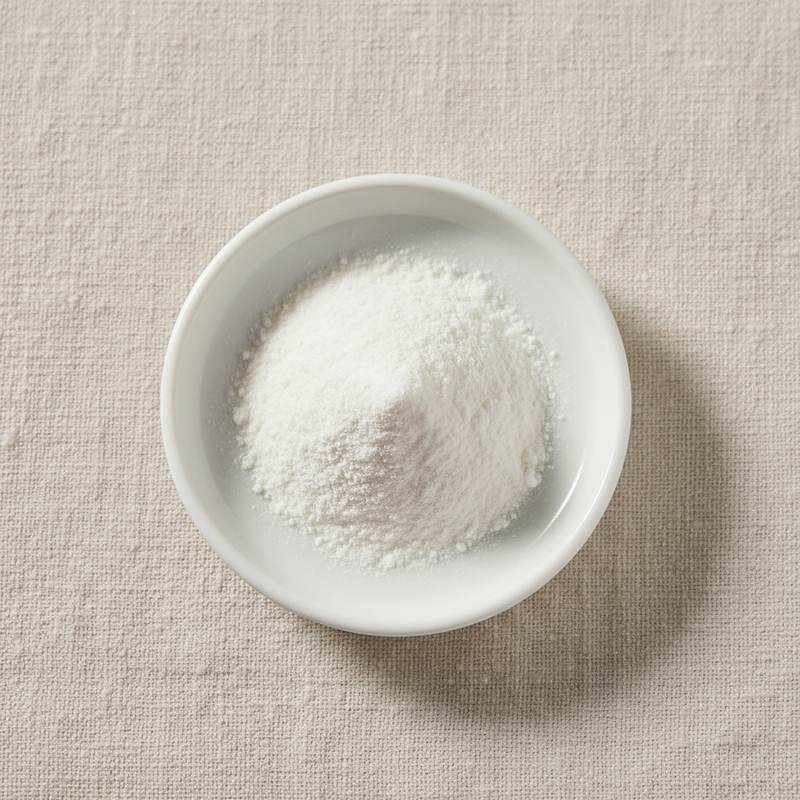
White to off-white free-flowing powder. Cold-water soluble. Forms highly pseudo-plastic, viscous solutions with enhanced synergy properties.
We supply Modified Xanthan High Pyruvate from manufacturers in China holding ISO, Halal, Kosher and other certifications relevant to the product and production.
Common market grades target pyruvate content of 4 to 6 percent (versus 2 to 3 percent for standard xanthan), producing significantly stronger xanthan-locust bean gum gels at equivalent inclusion.
Bulk and reduced-MOQ shipments. Batch-level COA covering viscosity, pyruvate content, acetate content, heavy metals, and microbiology.
Introduction
Xanthan gum's chemical structure includes a beta(1,4)-glucan backbone with trisaccharide side chains carrying mannose-glucuronic-mannose units. The terminal mannose can carry acetate and pyruvate substituents in proportions determined by the production strain and fermentation conditions.
Pyruvate content correlates strongly with xanthan-locust bean gum synergy: higher pyruvate yields stronger gels at equivalent total polysaccharide loading. The 4 to 6 percent pyruvate range in high-pyruvate grades provides approximately 30 to 50 percent stronger gel formation versus standard 2 to 3 percent material.
The synergy is technically valuable because pure xanthan does not gel, and pure locust bean gum forms only weak gels on cooling, but the combination produces thermo-reversible elastic gels suitable for jellies, frozen desserts, and dairy systems.
Production is in China and to a smaller extent in the U.S. and Europe, with strain-development programs targeting the high-pyruvate phenotype for synergy applications.
Where it is used
- Synergistic gel systems with locust bean gum for soft-set jellies and desserts
- Frozen desserts and ice creams with improved freeze-thaw stability
- Salad dressings, sauces, and condiments
- Dairy and dairy-alternative products
- Bakery applications including gluten-free
- Plant-based meat alternatives in synergistic blends
- Pet food and animal nutrition
- Co-formulation with carrageenan and konjac in three-way synergies
Technical data
| Item | Specification |
|---|---|
| Appearance | White to off-white powder |
| Viscosity (1% solution in 1% KCl) | ≥ 1500 mPa-s |
| Pyruvate content | 4.0% to 6.0% |
| Acetate content | ≤ 5.0% |
| Loss on drying | ≤ 13.0% |
| Ash | ≤ 13.0% |
| Heavy metals (as Pb) | ≤ 2 mg/kg |
| Arsenic | ≤ 1 mg/kg |
| Total plate count | ≤ 5000 cfu/g |
Related ingredients
Ready to discuss business?
Send us your spec and requirement. We will respond with availability and pricing within 24 hours.