Description
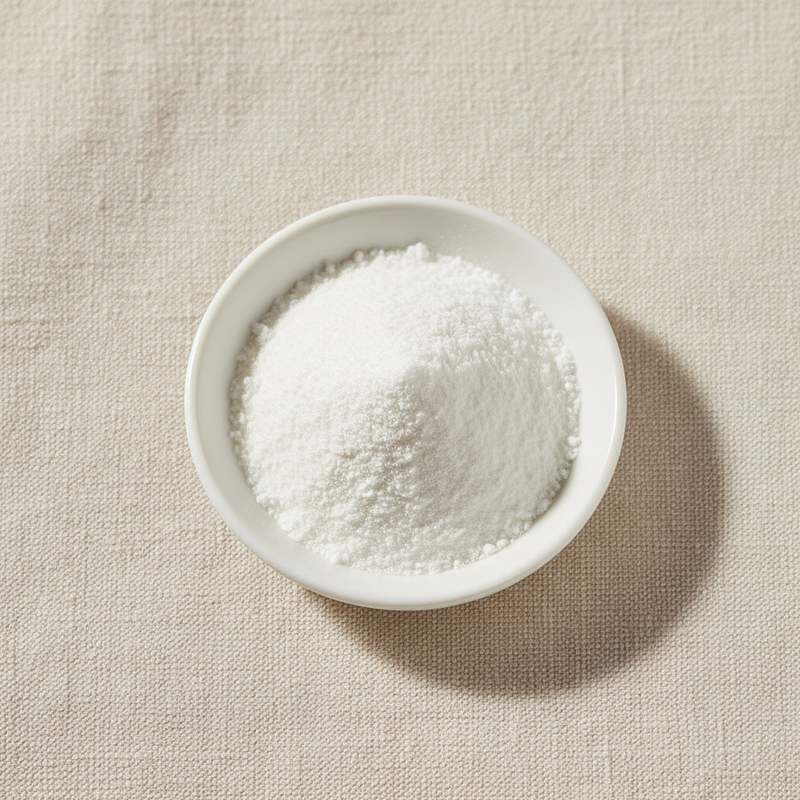
A neurohormone synthesised endogenously by the pineal gland from serotonin and central to the regulation of the circadian sleep-wake cycle. Supplied as the synthetic compound, chemically identical to the molecule produced by human tissue.
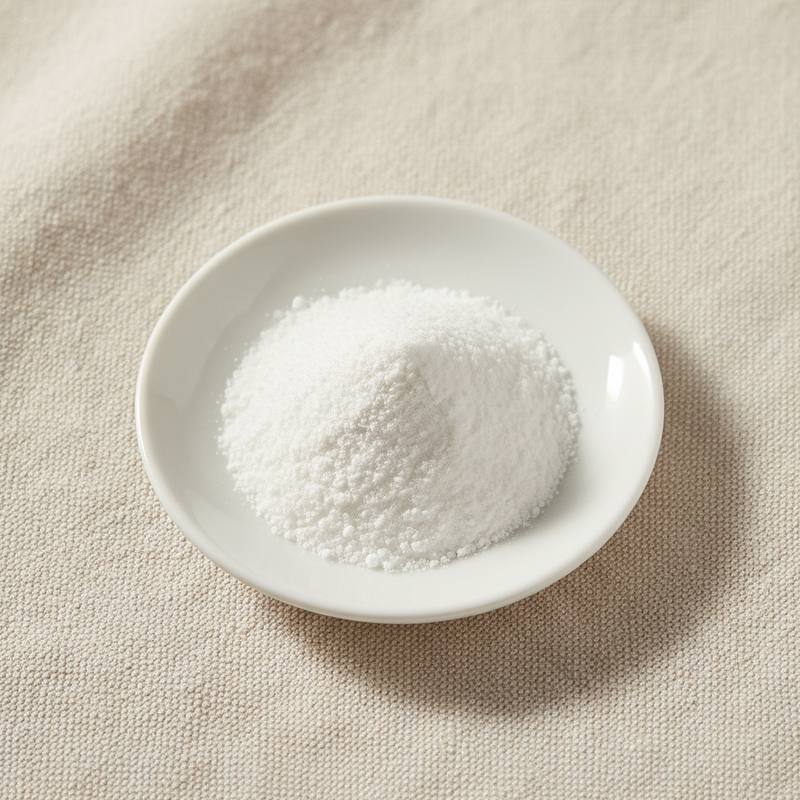
White to off-white crystalline powder. Practically insoluble in water, soluble in ethanol. Light-sensitive and supplied under protected conditions.
We supply food-grade and pharmaceutical-grade Melatonin from manufacturers in China holding ISO, Halal, Kosher and other certifications relevant to the product and production. USP and EP pharmaceutical-grade material is available on request.
Common market grades include 99 percent and 99.5 percent purity for supplement use, USP and EP pharmaceutical grades, fast-dissolve and sublingual formats produced by downstream specialists, and prolonged-release coated grades for sleep-maintenance formulations.
Bulk and reduced-MOQ shipments. Batch-level COA covering assay, related substances, heavy metals, residual solvents, and microbiology.
Introduction
Melatonin was first isolated and characterised by Aaron Lerner at Yale University in 1958. The molecule is synthesised by the pineal gland from serotonin and is the principal humoral signal of darkness in mammalian physiology.
Commercial production is by chemical synthesis from 5-methoxytryptamine and acetic anhydride or from related starting materials, yielding the natural enantiomer at high purity. Bovine pineal extracts were used historically but have been entirely displaced by synthetic material on quality and safety grounds.
Regulatory status is unusually heterogeneous by jurisdiction. Melatonin is sold over-the-counter as a dietary supplement in the United States, Canada, China, and most of Asia. It is regulated as a prescription medicine in the European Union (where supplement use is permitted at low doses), the United Kingdom, Australia, and Japan. Formulators must verify the regulatory class in each target market before product launch.
The compound's role in circadian regulation underpins its dominant commercial application in sleep supplements. Effective dosing for sleep onset is well below endogenous pharmacological levels: clinical literature supports doses of 0.3 to 5 mg, although retail products commonly include 3 to 10 mg per serving.
Melatonin is also a potent direct antioxidant and a documented free-radical scavenger, which supports a secondary commercial position in topical skincare and certain anti-aging formulations. Combination products with magnesium, L-Theanine, and herbal sleep ingredients are the dominant growth segment in the sleep-supplement category.
Where it is used
- Sleep supplements; the dominant retail application globally
- Jet-lag and shift-work circadian-adjustment products
- Pediatric sleep supplements in age-appropriate dosing (where regionally permitted)
- Combination sleep stacks with magnesium, L-Theanine, GABA, or valerian
- Topical anti-aging skincare products; melatonin is an antioxidant in addition to its hormonal role
- Veterinary calming and sleep products for companion animals
- Functional beverages and gummies in the sleep-positioning retail segment
- Pharmaceutical sleep-disorder formulations in markets where melatonin is a prescription product
Technical data
| Item | Specification |
|---|---|
| Appearance | White to off-white crystalline powder |
| Assay (HPLC, dry basis) | ≥ 99.0% |
| Loss on drying | ≤ 0.5% |
| Melting point | 116 °C to 118 °C |
| Related substances | ≤ 0.5% |
| Heavy metals (as Pb) | ≤ 10 mg/kg |
| Arsenic | ≤ 1 mg/kg |
| Residual solvents | Meets ICH Q3C limits |
| Microbiology | Meets pharmacopoeial limits |
| Storage | Sealed, protected from light, cool dry conditions |
Related ingredients
Ready to discuss business?
Send us your spec and requirement. We will respond with availability and pricing within 24 hours.