Description
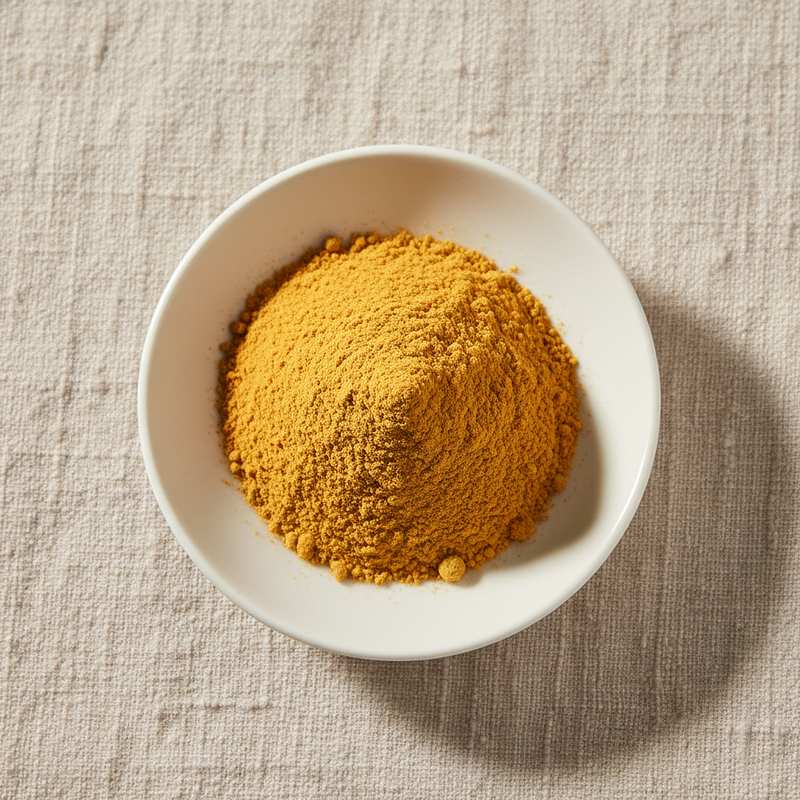
Mango Powder is a yellow to orange free-flowing powder produced from the pulp of ripe mangoes, preserving the tropical sweet-tart flavor, characteristic aroma, and the vitamin A and vitamin C content of the fresh fruit.
Production starts with peeled, destoned mango pulp from cultivars including Alphonso, Tommy Atkins, Kent, and locally grown Chinese varieties. The pulp is then spray-dried with a maltodextrin carrier for general food and beverage use, or freeze-dried without carrier for premium clean-label and nutritional products.
Beta-carotene (provitamin A) and natural polyphenols are partially retained through both processes, with freeze drying preserving the highest level of heat-sensitive compounds and volatile flavor notes.
We supply food-grade Mango Powder from manufacturers in China holding ISO, HACCP, BRC, Halal, Kosher and other certifications relevant to the product and production.
Common market grades include standard spray-dried 80 mesh with maltodextrin carrier at 30 to 50 percent, premium spray-dried with gum arabic carrier for clean-label positioning, freeze-dried pure mango powder for nutritional and infant applications, and Amchur (sun-dried green-mango powder) for South Asian culinary use. Bulk and reduced-MOQ shipments. Batch-level COA covering sugar content, moisture, microbiology, and heavy metals.
Introduction
The mango is the most widely cultivated tropical fruit by volume and the national fruit of India, Pakistan, and the Philippines. Powdered mango has been used in South Asian cuisine for centuries in the form of Amchur, a sour seasoning produced from sun-dried green mango.
Modern sweet-mango powder for global food manufacturing is produced from ripe-fruit pulp via spray drying, which is the dominant industrial method due to its cost efficiency and free-flowing finished product. The carrier (typically maltodextrin) supports atomization of the high-sugar pulp and prevents stickiness during the drying step. Carrier-free freeze drying delivers a more premium product with substantially higher native aromatic content.
Beta-carotene and vitamin C account for much of the nutritional positioning of mango powder in functional and infant-food categories. Polyphenols including mangiferin contribute antioxidant claims in supplement formulations.
China is now one of the largest commercial producers of spray-dried tropical fruit powders, with sourcing from both domestic Hainan-grown fruit and imported Southeast Asian pulp concentrate.
Where it is used
- Instant beverage mixes, mango lassi powders, and powdered iced-tea blends
- Smoothie and meal-replacement powders
- Bakery and confectionery: cakes, fillings, gummies, and hard candies
- Dairy flavoring for yogurt, ice cream, and flavored milk
- Breakfast cereals, granola, and snack-bar inclusions
- Infant foods and toddler nutrition products
- Nutrition bars and sports recovery formulations
- Sauce, marinade, and condiment manufacturing in South Asian cuisine (Amchur grade)
- Natural flavor and color contribution to premium beverage applications
Technical data
| Item | Specification |
|---|---|
| Appearance | Yellow to orange free-flowing powder |
| Source | Ripe Mangifera indica fruit pulp |
| Moisture | ≤ 5.0% |
| Particle size | 80 mesh pass ≥ 95% |
| Total sugars | ≥ 50% |
| Solubility | ≥ 95% (spray-dried grade) |
| Ash | ≤ 5.0% |
| Heavy metals (as Pb) | ≤ 0.5 mg/kg |
| Arsenic | ≤ 0.5 mg/kg |
| Total plate count | ≤ 10,000 cfu/g |
| Yeast and mold | ≤ 100 cfu/g |
| Salmonella | Absent in 25 g |
Related ingredients
Ready to discuss business?
Send us your spec and requirement. We will respond with availability and pricing within 24 hours.