Description
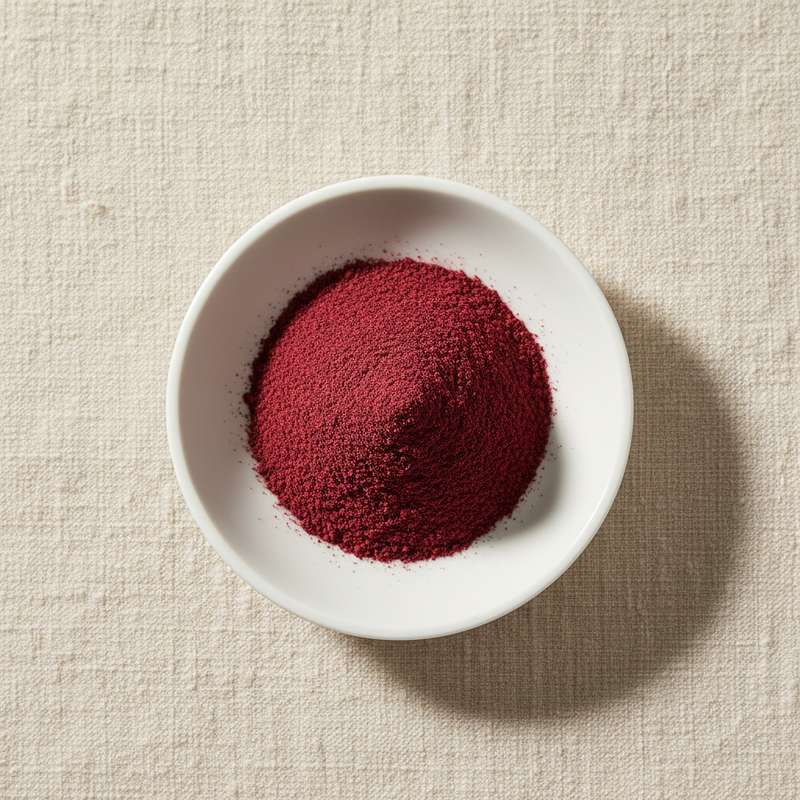
A natural deep red to crimson carotenoid colorant extracted from tomato (Solanum lycopersicum) or produced by fermentation using Blakeslea trispora. Produces a clean tomato-red to deep crimson hue with strong tinctorial power.
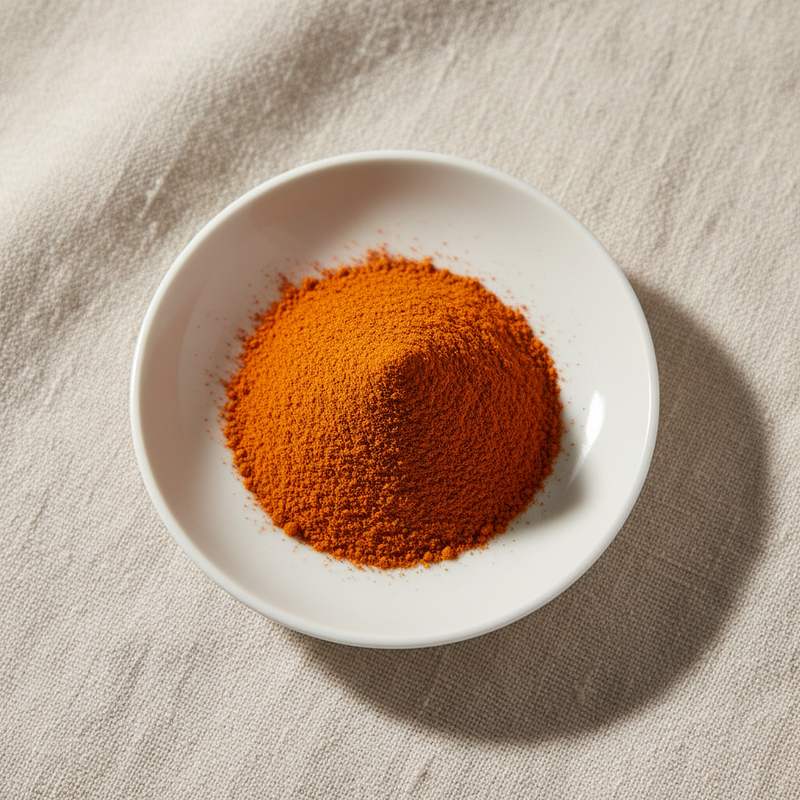
Dark red to crimson oily suspension, paste, or microencapsulated free-flowing powder (beadlet form for dry blending). Oil-soluble in the base form, with water-dispersible cold-water-soluble (CWS) emulsified preparations produced for beverage and dairy use.
We supply food-grade Lycopene from manufacturers in China holding ISO, Halal, Kosher and other certifications relevant to the product and production. Tomato-source and fermentation-source grades are available, including natural and non-GMO variants.
Common market grades are sold by lycopene content: 5 percent, 10 percent, and 20 percent oil suspensions; 5 percent and 10 percent CWS beadlets; and higher purity grades for nutraceutical applications. Tomato extract grades typically include carryover phytochemicals positioned for natural marketing.
Bulk and reduced-MOQ shipments. Batch-level COA covering lycopene content, isomer profile (all-trans and cis), peroxide value, heavy metals, and microbiology.
Introduction
Lycopene was first isolated from tomatoes in the 1870s and identified as the principal red pigment of the genus Solanum. Industrial production for food coloring and nutraceutical use developed in the late twentieth century.
Two production routes dominate: solvent extraction of selected high-lycopene tomato varieties using ethyl acetate or supercritical CO2, yielding a tomato oleoresin; and fermentation using Blakeslea trispora, yielding crystalline lycopene of high purity. Both routes are commercialized in China and globally.
Regulated as E160d in the EU, listed by the U.S. FDA as a permitted color additive exempt from certification (with separate regulations for tomato lycopene extract and synthetic lycopene), and approved by JECFA with an Acceptable Daily Intake of 0.5 mg per kg body weight.
The technical profile is excellent for natural red applications: high tinctorial power (twice that of Beta-Carotene at equivalent loading), good heat stability through baking and pasteurization, and acceptable light stability in opaque or oil-protected matrices. Oxygen sensitivity is the principal handling concern, addressed through antioxidant carriers and nitrogen-purged packaging.
Strategically, Lycopene combines color and nutraceutical value, with established marketing as an antioxidant and prostate-health ingredient. It competes with Beta-Carotene and Paprika Oleoresin in the natural red-orange category and carries a premium price reflecting its dual position as a colorant and functional ingredient.
Where it is used
- Beverages including tomato-juice products, vegetable juices, and red functional drinks using CWS grades
- Sauces, soups, and ready meals requiring tomato-red lift
- Sausages, processed meats, and meat snacks
- Dairy products including yogurt and ice cream using CWS preparations
- Confectionery and gummies requiring deep red coloration
- Bakery fillings and decorations
- Nutraceutical and dietary supplement applications positioned for antioxidant and prostate-health marketing
- Pet food and treats positioned for natural color claims
- Cosmetics including natural-pigment skin-care preparations
Technical data
| Item | Specification |
|---|---|
| Appearance | Dark red to crimson oil, paste, or beadlet powder |
| Source | Solanum lycopersicum (tomato) or Blakeslea trispora (fermentation) |
| Lycopene content | 5%, 10%, or 20% (per grade) |
| Color value (E1%, 1cm, 472 nm) | Per declared content |
| All-trans isomer | ≥ 70% (typical) |
| Solubility | Oil-soluble; CWS beadlets are water-dispersible |
| Light stability | Moderate; best in opaque matrices |
| Heat stability | Good for short to moderate processing |
| Peroxide value | ≤ 10 meq/kg |
| Lead | ≤ 2 mg/kg |
| Arsenic | ≤ 1 mg/kg |
| Total plate count | ≤ 1000 CFU/g |
Related ingredients
Ready to discuss business?
Send us your spec and requirement. We will respond with availability and pricing within 24 hours.