Description
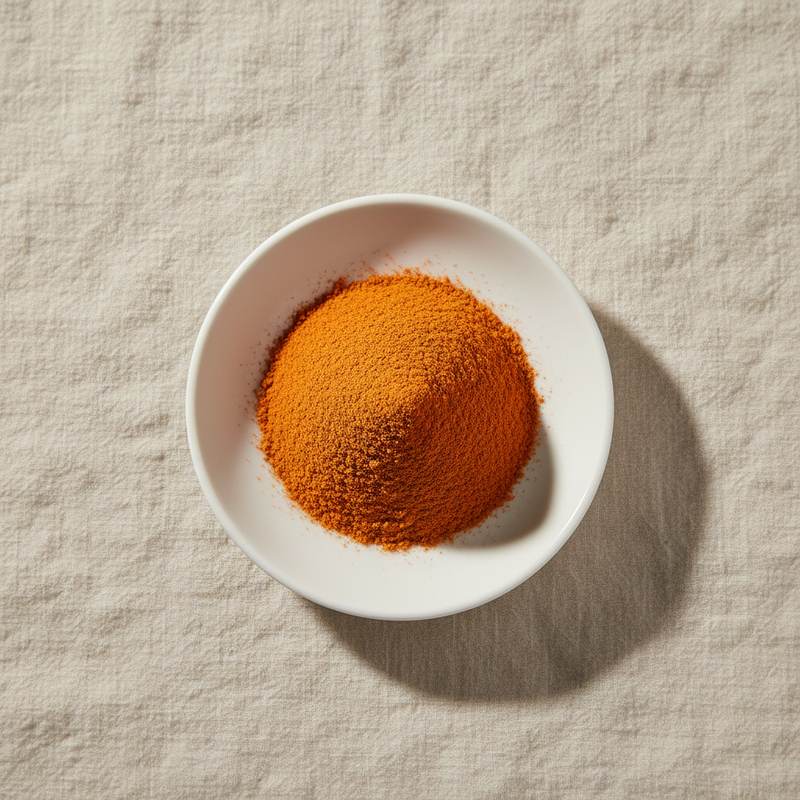
Free-flowing beadlet form of lutein, the xanthophyll carotenoid concentrated in the macula of the retina. Marigold (Tagetes erecta) is the dominant commercial source.
Orange to yellow free-flowing beadlets, typically formulated with starch, modified food starch, sucrose, or gum acacia as the protective matrix. Standardized to 5 percent, 10 percent, or 20 percent active lutein.
We supply food-grade Lutein from manufacturers in China holding ISO, Halal, Kosher and other certifications relevant to the product and production. China is the world's largest producer of marigold-derived lutein, with established cultivation in Yunnan, Sichuan, and surrounding provinces.
Common market grades include 5% beadlet for food fortification, 10% and 20% beadlets for tablets and capsules, oil-based 20% suspensions for softgel filling, and water-dispersible beadlets for beverage applications.
Bulk and reduced-MOQ shipments. Batch-level COA covering lutein content, zeaxanthin co-content, heavy metals, residual solvents, and microbiology.
Introduction
Lutein and its stereoisomer zeaxanthin are the two carotenoids concentrated in the macula lutea of the retina, where they function as antioxidants and blue-light filters. Dietary intake correlates with macular pigment density, and macular pigment density correlates with reduced risk of age-related macular degeneration.
Commercial lutein is extracted from marigold flower petals using hexane or supercritical CO2, followed by saponification, crystallization, and formulation into the protective beadlet form that stabilizes the carotenoid against oxidation through finished-product shelf life.
The AREDS2 clinical trial established 10 mg lutein and 2 mg zeaxanthin daily as a clinically meaningful dose for age-related macular degeneration risk reduction. This dose underpins most premium eye-health formulations.
The principal handling consideration is light and oxygen sensitivity. Beadlet formulation provides physical barriers that maintain potency through tableting, packaging, and shelf life, while neat crystalline lutein requires nitrogen blanketing and cold storage.
Where it is used
- Eye-health and macular-support supplements (primary application)
- Premium multivitamins for adults over 50
- Functional foods including yogurts, juices, and dairy beverages
- Infant-formula fortification in approved markets
- Tablets, capsules, and chewable supplements
- Cognitive-support products leveraging blood-brain-barrier crossing
- Co-formulation with zeaxanthin, omega-3 fatty acids, and vitamin C
- Skin-health beauty-from-within supplements
Technical data
| Item | Specification |
|---|---|
| Appearance | Orange to yellow free-flowing beadlets |
| Lutein content | 10.0% (or 5%, 20% per grade) |
| Zeaxanthin content | ≤ 5% of total carotenoids |
| Loss on drying | ≤ 6.0% |
| Heavy metals (as Pb) | ≤ 5 mg/kg |
| Arsenic | ≤ 2 mg/kg |
| Residual solvents (hexane) | ≤ 25 mg/kg |
| Total plate count | ≤ 1000 cfu/g |
| Particle size | 20 to 60 mesh |
Related ingredients
Ready to discuss business?
Send us your spec and requirement. We will respond with availability and pricing within 24 hours.