Description
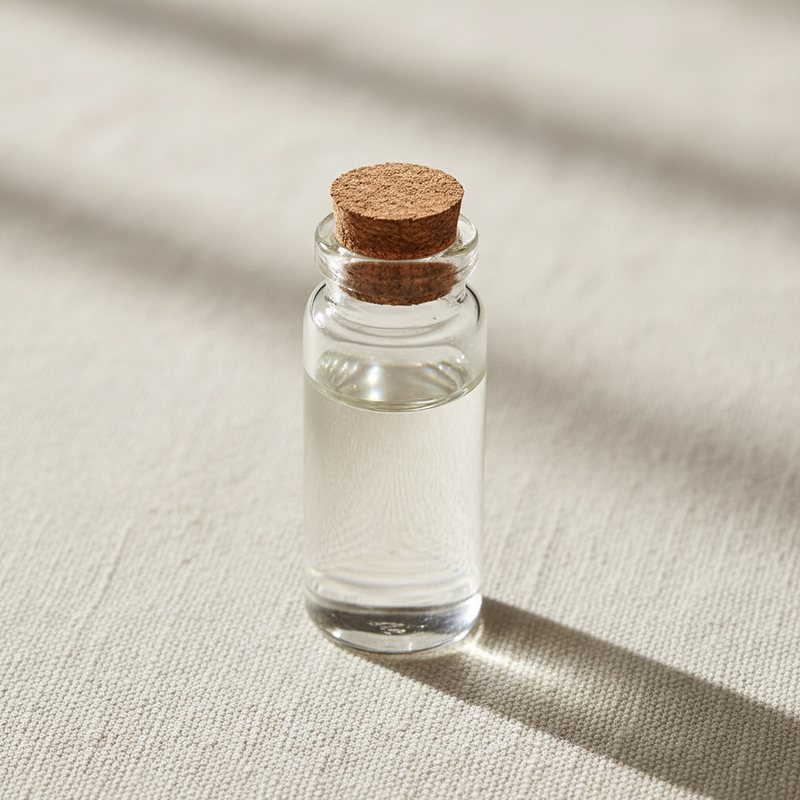
A high-maltose specialty Glucose Syrup with maltose content of 30 percent or higher on a dry basis, sitting between regular Glucose Syrup and pure Maltose Syrup in composition.
Clear to slightly yellow viscous liquid. The high maltose fraction reduces sweetness, depresses freezing point, and supports specific fermentation and confectionery applications where standard Glucose Syrup or pure Dextrose Syrup behave differently.
We supply food-grade Glucose / Maltose Syrup from manufacturers in China holding ISO, Halal, Kosher and other certifications relevant to the product and production.
Common market grades include Maltose 30 to 40 percent (the standard high-maltose specialty grade), Maltose 40 to 50 percent (premium brewing and confectionery applications), and Maltose 60 percent or higher pure Maltose Syrup for specialty pharmaceutical and infant-nutrition applications.
Bulk shipments in tankers, IBC totes, and drums. Batch-level COA covering DE, maltose content, dry substance, pH, sulphur dioxide, and microbiology.
Introduction
Glucose Syrup / Maltose Syrup occupies the middle ground between standard Glucose Syrup (DE 38 to 68 with mostly glucose, maltose, and oligosaccharides) and pure Maltose Syrup (90 percent or higher maltose).
Production proceeds by enzymatic hydrolysis of corn or rice starch using α-amylase followed by β-amylase, which selectively cleaves maltose units from starch chain ends. The maltose-rich liquid is then purified, evaporated, and standardized to the target maltose specification.
Recognized as a permitted food ingredient by the U.S. FDA, the European Food Safety Authority, and equivalent regulators worldwide.
Caloric value is 4 kcal per gram on a dry-weight basis. Glycemic index varies with composition: high-maltose grades produce lower postprandial glucose response than high-DE Glucose Syrup, supporting use in some specialty nutritional applications.
The strategic role of high-maltose syrups in confectionery and brewing is freezing-point and fermentation control rather than sweetness contribution. In beer brewing, maltose is the preferred fermentable substrate for clean Saccharomyces cerevisiae fermentation; in gummy confections, the maltose fraction prevents the fast crystallization that pure Glucose Syrup would cause.
Where it is used
- Beer brewing as adjunct sweetener and fermentable substrate; high-maltose profiles favor cleaner fermentation
- Soft confectionery: gummies, jellies, marshmallows; depresses freezing point and limits crystallization
- Hard candies and lollipops requiring controlled crystallization behavior
- Sake and rice-wine fermentation in traditional Asian beverage manufacturing
- Bakery products requiring slower yeast fermentation and more controlled browning
- Frozen desserts and ice cream where freezing-point depression and texture matter
- Pharmaceutical syrups and infant-nutrition specialty formulations
- Bakery glazes and surface coatings; supports gloss without excessive sweetness
Technical data
| Item | Specification |
|---|---|
| Appearance | Clear to slightly yellow viscous liquid |
| Dry substance | ≥ 75.0% |
| Dextrose Equivalent (DE) | 40 to 60 |
| Maltose content (dry basis) | ≥ 30% |
| pH | 4.0 to 6.0 |
| Sulphur dioxide | ≤ 20 mg/kg |
| Total plate count | ≤ 3000 cfu/g |
| Moisture | ≤ 25% |
Related ingredients
Ready to discuss business?
Send us your spec and requirement. We will respond with availability and pricing within 24 hours.