Description
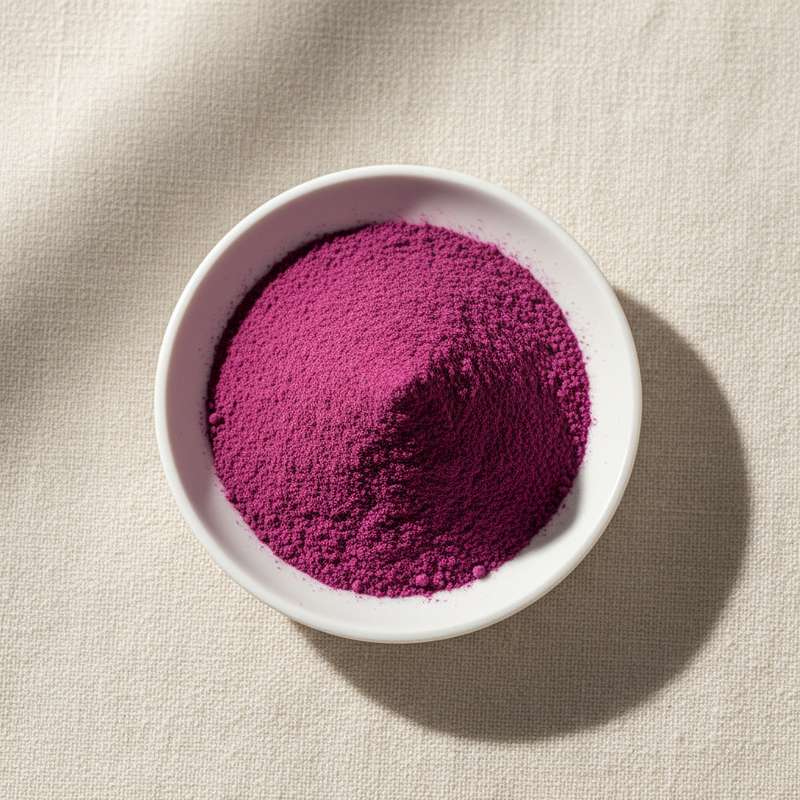
A standardized extract from European black elderberry (Sambucus nigra) fruit, concentrated in anthocyanins (principally cyanidin-3-glucoside and cyanidin-3-sambubioside). The dominant immune-support botanical ingredient by retail volume in many Western markets.
Dark purple to purple-black free-flowing powder. Highly water-soluble. The natural anthocyanins are sensitive to heat, light, and pH, so the extract is normally formulated into protected delivery formats.
We supply food-grade Elderberry Extract from manufacturers in China holding ISO, Halal, Kosher and other certifications relevant to the product and production. Organic-certified grades are available.
Common market grades include 5 percent Anthocyanins (the gummy and beverage grade), 15 percent Anthocyanins (standard capsule grade), 25 percent Anthocyanins (premium grade), and Spray-Dried Elderberry Juice Powder (lower-concentration whole-fruit grade).
Bulk and reduced-MOQ shipments. Batch-level COA covering total anthocyanins (pH differential method), cyanidin-3-glucoside content (HPLC), residual solvents, heavy metals, pesticides, and microbiology.
Introduction
Elderberry has been used in European folk medicine for cold and flu symptom relief since at least the Middle Ages, with reference in Hippocrates and Dioscorides. The fruit must be cooked before consumption because raw elderberries contain low levels of cyanogenic glycosides that are inactivated by heat processing.
Industrial production proceeds by hot-water or hydroalcoholic extraction of ripe elderberries, followed by concentration, decolorization control, and spray-drying with maltodextrin or other carrier to defined anthocyanin content.
Recognized as a permitted food ingredient by the U.S. FDA, the European Food Safety Authority, and equivalent regulators. Anthocyanins are regulated as a natural food colorant (E163 in the EU).
Clinical evidence for cold and flu symptom-duration reduction is moderately supportive across multiple randomized trials, though heterogeneity in extract standardization and dosing complicates dose recommendations. Consumer demand has nonetheless made elderberry one of the highest-growth botanical supplement categories of the past decade.
Strategic positioning is dominated by immune-support gummies and syrups in retail, with rapid expansion into pediatric formats and functional beverages.
Where it is used
- Immune-support dietary supplements: the dominant commercial application globally
- Cold and flu seasonal supplements and syrups
- Pediatric gummy supplements (the fastest-growing format)
- Functional beverages: immune shots and wellness drinks
- Natural food colorant in beverages and confectionery
- Cosmetic skincare: antioxidant and anti-aging formulations
- Premium herbal tea blends
- Pet supplements positioned for seasonal immune support
Technical data
| Item | Specification |
|---|---|
| Appearance | Dark purple to purple-black free-flowing powder |
| Total anthocyanins (pH differential) | 5% / 15% / 25% (grade dependent) |
| Cyanidin-3-glucoside (HPLC) | ≥ 25% of total anthocyanins |
| Particle size | 95% pass 80 mesh |
| Loss on drying | ≤ 5.0% |
| Heavy metals (as Pb) | ≤ 2 mg/kg |
| Total plate count | ≤ 1000 cfu/g |
| Source | Sambucus nigra ripe fruit |
Related ingredients
Ready to discuss business?
Send us your spec and requirement. We will respond with availability and pricing within 24 hours.