Description
A high-molecular-weight sphingan exopolysaccharide produced by aerobic fermentation of Sphingomonas sp. Closely related structurally to welan but with a longer side chain of two rhamnose units, producing exceptional low-shear viscosity, very strong pseudoplastic flow, and outstanding stability in difficult systems.
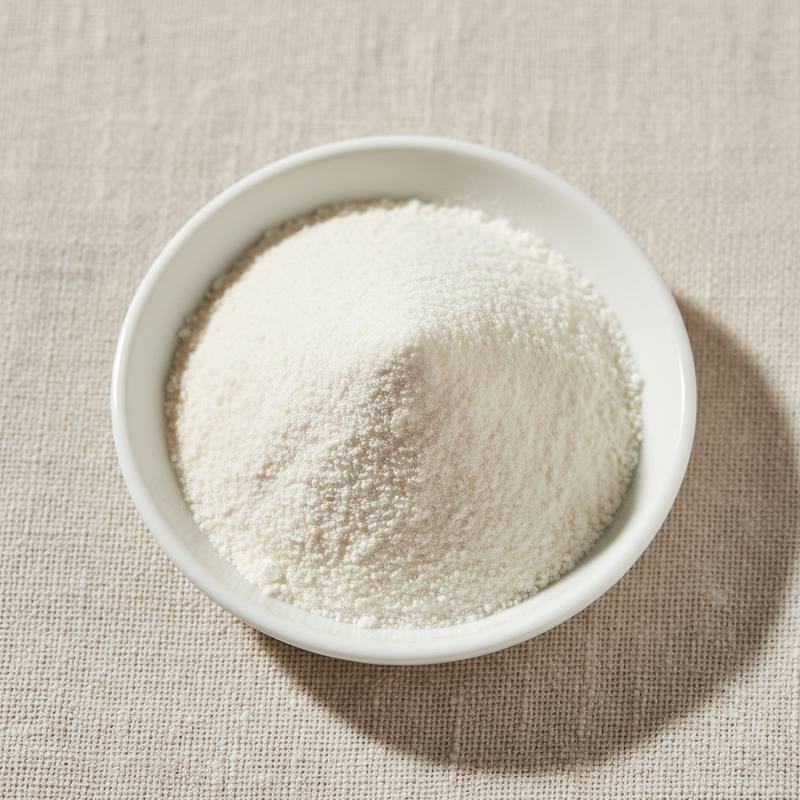
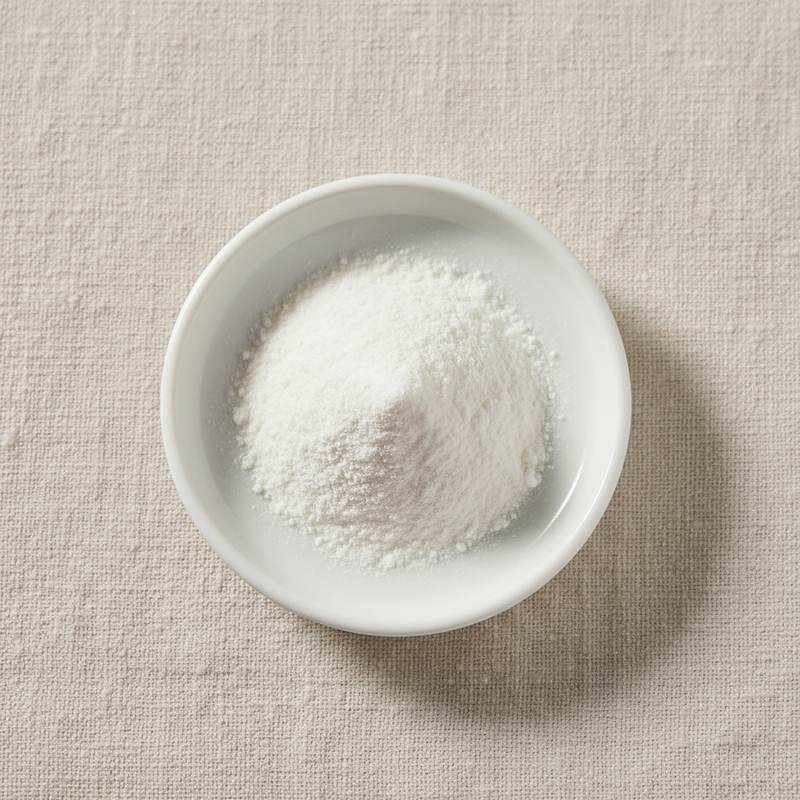
Off-white to pale yellow free-flowing powder. Hydrates in cold water to produce highly viscous, strongly shear-thinning solutions that retain functionality across the full pH range and at temperatures above 150 °C.
We supply industrial-grade Diutan Gum from manufacturers in China holding ISO and quality certifications relevant to the product and production.
Common market grades include Standard Industrial Grade (the workhorse for oilfield and cementitious applications), High-Viscosity Grade for self-leveling architectural concrete and specialty drilling fluids, and Filtered Grade for clear-fluid applications.
Bulk and reduced-MOQ shipments. Batch-level COA covering viscosity, particle size, residual cell protein, heavy metals, and microbiology.
Introduction
Diutan Gum was developed by CP Kelco in the 1990s and brought to commercial scale for industrial applications. The polysaccharide is the highest-viscosity member of the sphingan family produced from Sphingomonas fermentation.
Industrial production proceeds by aerobic submerged fermentation of Sphingomonas sp. on glucose substrates, followed by cell removal, ultrafiltration, alcohol precipitation, drying, and milling. The polymer has a tetrasaccharide repeat unit similar to gellan but carries a pendant dirhamnose side chain that prevents helical aggregation and gel formation.
Approved as an industrial-grade material globally; food-additive status varies by jurisdiction. Not currently approved for food use in the EU or U.S.; included here for the parallel hydrocolloid market in cementitious and oilfield applications and the technical parallels with welan gum used in food formulation.
The molecule's defining property is exceptional low-shear viscosity at very low dosage (0.05 to 0.1 percent): a Diutan solution can be several orders of magnitude more viscous than the equivalent xanthan solution at low shear, yet flow easily under pumping shear, supporting demanding suspension applications where neither xanthan nor welan deliver the required rheology.
Strategic positioning is industrial cementitious self-leveling and oilfield drilling, two segments where the unique high-temperature and high-salinity tolerance combined with extreme pseudoplastic flow defines market leadership and justifies a premium price relative to xanthan and welan.
Where it is used
- Oilfield drilling fluids and well-stimulation systems; the principal global application, leveraging high-temperature and high-salinity tolerance
- Self-leveling cementitious flooring and architectural concrete; the dominant viscosity modifier in this category
- Underwater concrete pouring (anti-washout admixture)
- Ceramic glaze slips and specialty industrial coatings
- Hydraulic fracturing fluids and enhanced oil recovery
- Heavy-duty industrial cleaners requiring suspension of abrasives
- Industrial liquid agricultural formulations requiring suspension and rain-fastness
Technical data
| Item | Specification |
|---|---|
| Appearance | Off-white to pale yellow free-flowing powder |
| Viscosity (0.1% in 4% KCl, 6 rpm) | ≥ 2000 cP |
| pH (1% solution) | 6.0 to 8.0 |
| Loss on drying | ≤ 12.0% |
| Ash | ≤ 10.0% |
| Nitrogen content | ≤ 3.0% |
| Heavy metals (as Pb) | ≤ 5 mg/kg |
| Arsenic | ≤ 3 mg/kg |
| Particle size | ≥ 95% through 60 mesh |
Related ingredients
Ready to discuss business?
Send us your spec and requirement. We will respond with availability and pricing within 24 hours.