Description
A semi-refined glycerin product at 80 to 95 percent glycerol content, derived from food-grade vegetable oil hydrolysis rather than biodiesel processing. Distinct from technical-grade crude glycerin in residual impurity profile and food compatibility.
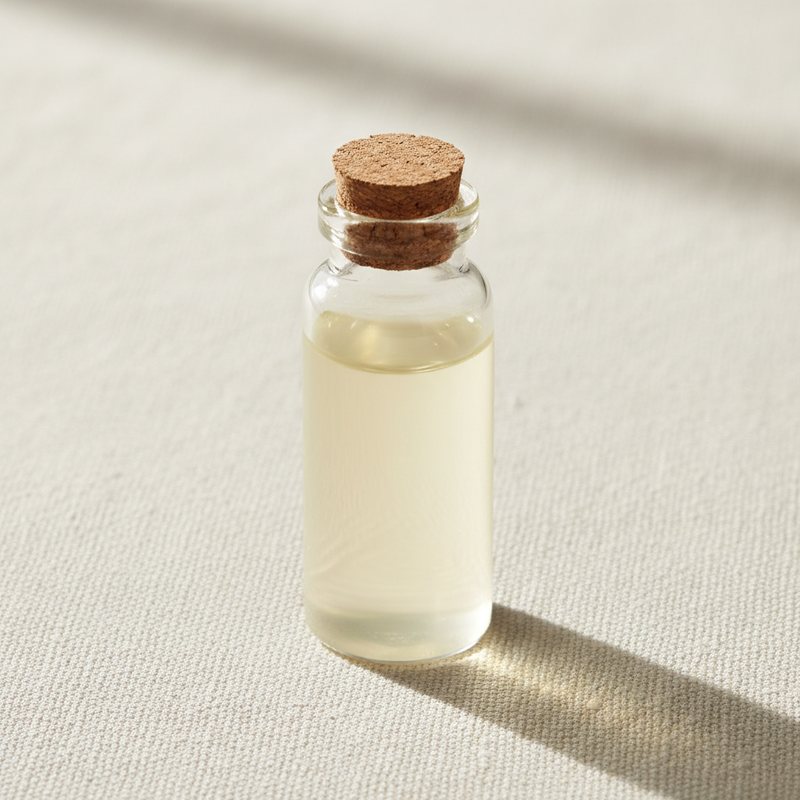
Pale yellow viscous liquid. Hygroscopic and miscible with water. The lower-purity profile relative to refined food-grade glycerol reflects retained mineral and fatty-matter content from incomplete final purification.
We supply food-compatible semi-refined glycerin from manufacturers in China holding ISO, Halal, Kosher and other certifications relevant to the product and production.
Common market grades include 80%, 85%, and 95% glycerol content, all from vegetable feedstocks with documented food-chain compatibility. Methanol-free certification and full residual solvent profile are standard.
Bulk and reduced-MOQ shipments. Batch-level COA covering glycerol content, water and ash content, MONG (matter organic non-glycerol), methanol residue, and heavy metals.
Introduction
Crude glycerin as conventionally understood is the by-product stream of biodiesel manufacture, comprising 40 to 80 percent glycerol with substantial salt, methanol, and matter-organic-non-glycerol (MONG) content. This material is not food-compatible without further extensive refining.
The product described here is a food-chain-compatible semi-refined glycerin derived from food-grade vegetable oil hydrolysis, not from biodiesel processing. The distinction matters: feedstock provenance and processing history determine residual impurity profile and regulatory eligibility for food and feed use.
Production involves hydrolysis of refined vegetable oils (soybean, rapeseed, palm) followed by separation of the fatty-acid and glycerol-water phases, partial purification, and concentration to 80 to 95 percent glycerol. Final refining to 99.5 percent food-grade purity is omitted for cost reasons in this product class.
Methanol-free certification distinguishes this material from biodiesel-derived crude. Vegetable feedstock allergen documentation supports use in animal nutrition and select industrial food-contact applications.
Cost is substantially lower than refined food-grade glycerol, with the trade-off being a narrower range of acceptable applications and tighter scrutiny of feedstock and process documentation.
Where it is used
- Animal feed humectant and energy source where premium refined glycerol is not required
- Pet food semi-moist humectant applications
- Industrial food-contact applications including release agents and plasticizers
- Tobacco humectant in lower-cost product positioning
- Carrier for animal feed flavor and palatant systems
- Edible film and casing manufacture at lower performance tiers
- Fermentation substrate in food-grade industrial biotechnology
Technical data
| Item | Specification |
|---|---|
| Appearance | Pale yellow viscous liquid |
| Glycerol content | ≥ 80.0% |
| Water content | ≤ 15.0% |
| Ash content | ≤ 3.0% |
| MONG (matter organic non-glycerol) | ≤ 2.0% |
| Methanol content | ≤ 0.01% |
| Heavy metals (as Pb) | ≤ 2 mg/kg |
| pH (10% aqueous) | 5.0 to 8.0 |
| Feedstock origin | Vegetable oil hydrolysis, not biodiesel-derived |
Related ingredients

Ready to discuss business?
Send us your spec and requirement. We will respond with availability and pricing within 24 hours.