Description
A fat-soluble benzoquinone cofactor essential to the mitochondrial electron transport chain. Produced industrially by yeast fermentation, yielding the natural all-trans isomer identical to the form synthesised by the human body.
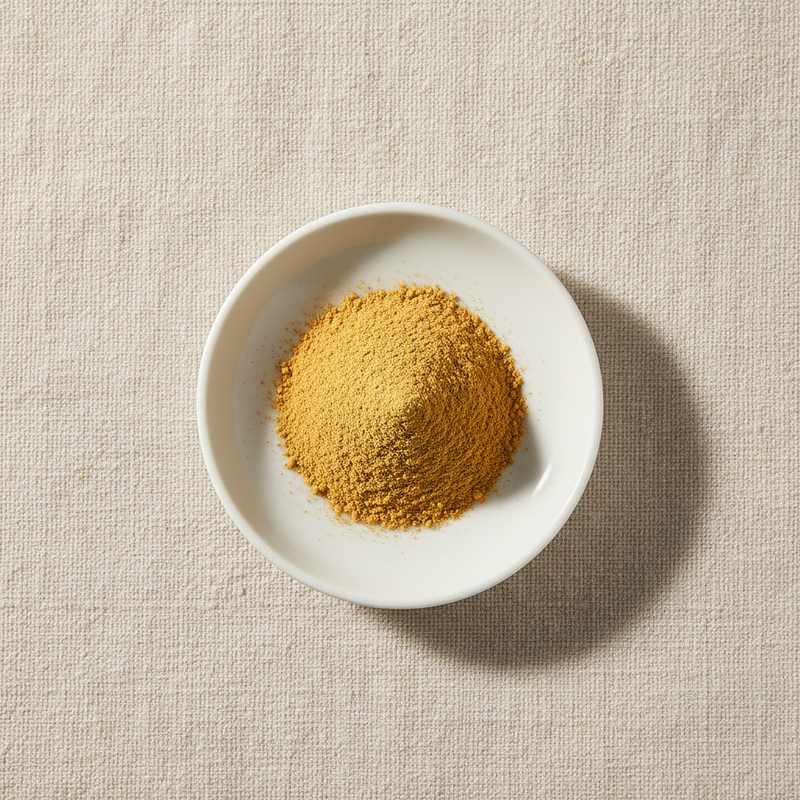
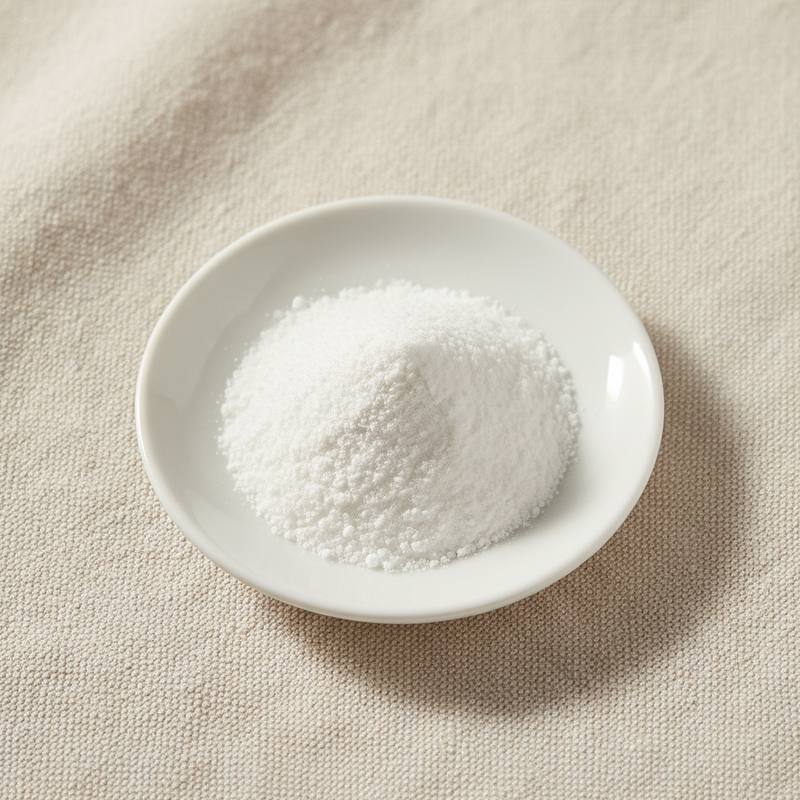
Yellow to orange crystalline powder. Sensitive to light, oxygen, and high temperature; supplied under nitrogen with antioxidant protection. Practically insoluble in water, soluble in oils and lipid carriers.
We supply food-grade Coenzyme Q10 from manufacturers in China holding ISO, Halal, Kosher and other certifications relevant to the product and production. USP, EP, and JP pharmaceutical-grade material is available on request.
Common market grades include crystalline Ubiquinone at 98 percent and 99 percent purity, 10 percent and 20 percent water-soluble (CWS) beadlets for beverage and tablet use, 10 percent oil suspension for softgel filling, and liposomal and nanoemulsion forms for enhanced oral bioavailability. Ubiquinol (the reduced form, CAS 992-78-9) is supplied separately.
Bulk and reduced-MOQ shipments. Batch-level COA covering assay by HPLC, all-trans isomer ratio, related substances, residual solvents, heavy metals, and microbiology.
Introduction
Coenzyme Q10 was first isolated from beef heart mitochondria by Frederick Crane at the University of Wisconsin in 1957. The complete structure and biological function within the electron transport chain were elucidated by Peter Mitchell, whose chemiosmotic theory earned the 1978 Nobel Prize in Chemistry.
Modern industrial production proceeds by fermentation using Rhodobacter sphaeroides or engineered yeast strains, yielding the all-trans isomer in a form identical to the molecule synthesised by human tissue. Chemical synthesis routes exist but are largely displaced by fermentation on cost and isomer-purity grounds.
Recognised as a permitted food and supplement ingredient in the EU, Japan, China, and most other jurisdictions. Approved as a food for specified health uses (FOSHU) ingredient in Japan, where it has the longest history of consumer-facing use. The U.S. FDA regulates CoQ10 as a dietary supplement ingredient under DSHEA.
Bioavailability is the central formulation challenge. Crystalline CoQ10 is poorly absorbed from the gastrointestinal tract, and absorption falls further at single doses above 200 mg. Solubilised, emulsified, and reduced-form (Ubiquinol) systems can improve plasma uptake by two to four fold relative to crystalline material in a hard tablet.
Endogenous CoQ10 synthesis peaks in the early twenties and declines steadily thereafter, reaching roughly half of peak levels by age sixty. This age-related decline, combined with the well-documented depletion caused by statin therapy, underpins the bulk of the cardiovascular and energy supplement market for the ingredient.
Where it is used
- Cardiovascular health supplements; the single most studied indication for CoQ10 supplementation
- Statin co-supplementation products; statin therapy depletes endogenous CoQ10 synthesis
- Energy and anti-fatigue supplements; supports ATP generation in skeletal and cardiac muscle
- Anti-aging and longevity formulations; endogenous CoQ10 declines with age
- Sports nutrition products targeting endurance and recovery
- Fertility supplements for both male and female reproductive health
- Neuroprotective and migraine-prevention formulations
- Cosmetic creams and serums for skin elasticity and oxidative protection
- Periodontal and oral-care products
- Veterinary cardiology supplements for companion animals
Technical data
| Item | Specification |
|---|---|
| Appearance | Yellow to orange crystalline powder |
| Assay (HPLC, dry basis) | ≥ 98.0% |
| All-trans isomer | ≥ 99.5% |
| Loss on drying | ≤ 0.5% |
| Melting point | 48 °C to 52 °C |
| Heavy metals (as Pb) | ≤ 10 mg/kg |
| Arsenic | ≤ 1 mg/kg |
| Residual solvents | Meets ICH Q3C limits |
| Microbiology | Meets pharmacopoeial limits |
| Storage | Sealed, protected from light and oxygen, 2 °C to 8 °C recommended |
Related ingredients
Ready to discuss business?
Send us your spec and requirement. We will respond with availability and pricing within 24 hours.