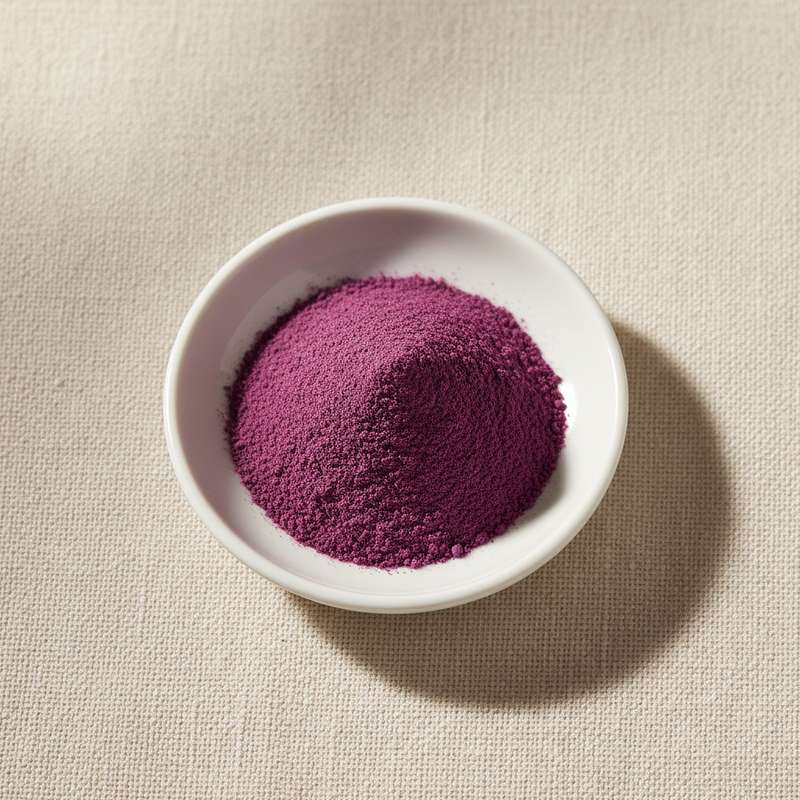
Description
An organic trivalent chromium complex with three picolinic acid ligands, supplying approximately 12 percent elemental chromium by weight. The most widely studied chromium supplement form, with extensive clinical research in glucose metabolism and insulin sensitivity applications.
Bright red to ruby-red crystalline powder, slightly soluble in water. Distinctive color is diagnostic of the chromium(III) picolinate coordination complex.
We supply food-grade Chromium Picolinate from manufacturers in China holding ISO, FSSC 22000, Halal, Kosher, and other certifications relevant to the product and production.
Common market grades include standard capsule and tablet powder, fine-mesh grade for powdered beverages and stick-packs, granulated direct-compression grade, and Chromax commercial-equivalent grade meeting the published clinical-trial article specification. Bulk and reduced-MOQ shipments with batch-level COA covering assay, elemental chromium, hexavalent chromium absence, heavy metals, and microbiology.
Introduction
Trivalent chromium is recognized as an essential trace element that potentiates insulin action through a low-molecular-weight chromium-binding substance (chromodulin). Chromium picolinate was developed in the 1980s by Gary Evans and commercialized through Nutrition 21 under the Chromax brand. The picolinate ligand enhances absorption of the otherwise poorly absorbed trivalent chromium.
Industrial production uses reaction of chromic chloride or chromium oxide with picolinic acid in aqueous solution under controlled temperature and pH, followed by crystallization. Strict control is required to ensure complete absence of hexavalent chromium (a recognized carcinogen) in the finished product, with analytical confirmation by ion chromatography.
Regulatory status includes GRAS notifications with FDA for specific commercial articles, recognition as a permitted source of chromium in food supplements under EU Regulation 1925/2006 and Directive 2002/46/EC subject to upper intake limits, and inclusion in multiple national food supplement frameworks.
Bioavailability of chromium from picolinate is significantly higher than from inorganic chromium chloride (around 1.2 to 2.8 percent absorption versus less than 0.5 percent for inorganic chromium), supporting the dominance of the picolinate form in commercial chromium supplements.
Where it is used
- Glucose metabolism and insulin sensitivity supplements
- Weight management and appetite control formulations
- Sports nutrition body composition products
- Diabetes adjuvant nutrition (clinical context)
- Multivitamin and multi-mineral tablets
- Functional beverages and stick-pack powders
- Cardiometabolic and lipid management formulations
- Senior nutrition for metabolic health
- Sugar craving management supplements
Technical data
| Item | Specification |
|---|---|
| Appearance | Bright red to ruby-red crystalline powder |
| Assay (dry basis) | ≥ 98.0% |
| Elemental chromium (trivalent) | 12.0 to 12.5% w/w |
| Hexavalent chromium | Not detected (< 1 mg/kg) |
| Picolinic acid content | 87 to 90% w/w |
| Loss on drying | ≤ 5.0% |
| Particle size | ≥ 95% through 80 mesh |
| Heavy metals (as Pb) | ≤ 5 mg/kg |
| Arsenic | ≤ 1 mg/kg |
| Cadmium | ≤ 0.5 mg/kg |
| Mercury | ≤ 0.1 mg/kg |
| Microbiology | Meets food-grade limits |
| Shelf life | 36 months from manufacture under recommended storage |
| Storage | Cool, dry, sealed; protect from light |
Related ingredients
Ready to discuss business?
Send us your spec and requirement. We will respond with availability and pricing within 24 hours.