Description
An essential nutrient required for liver function, brain development, nerve signaling, and lipid transport. The dominant commercial choline source globally and the highest-volume single nutrient in animal feed manufacturing.
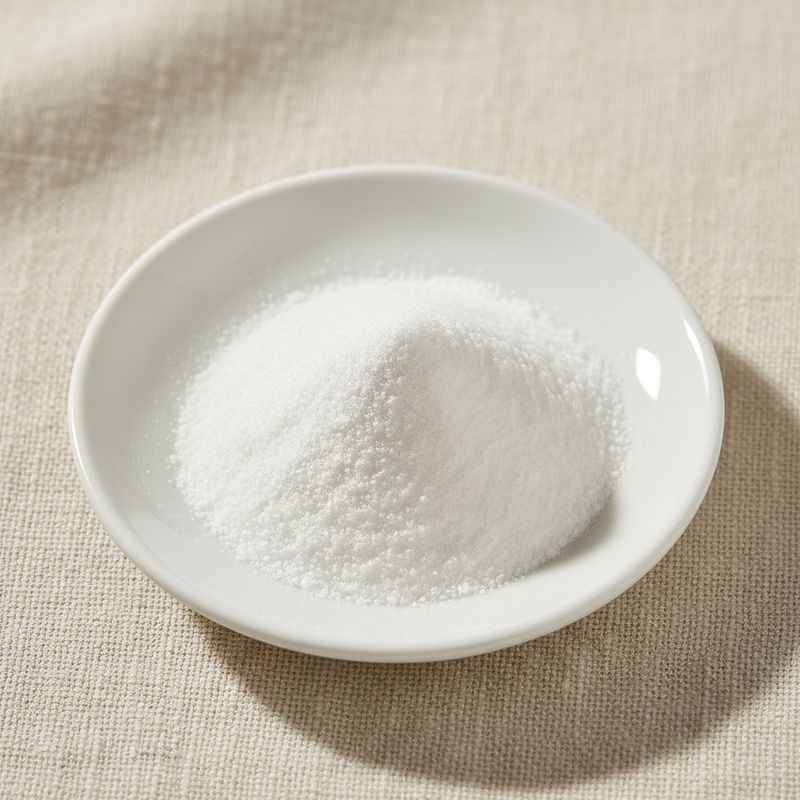
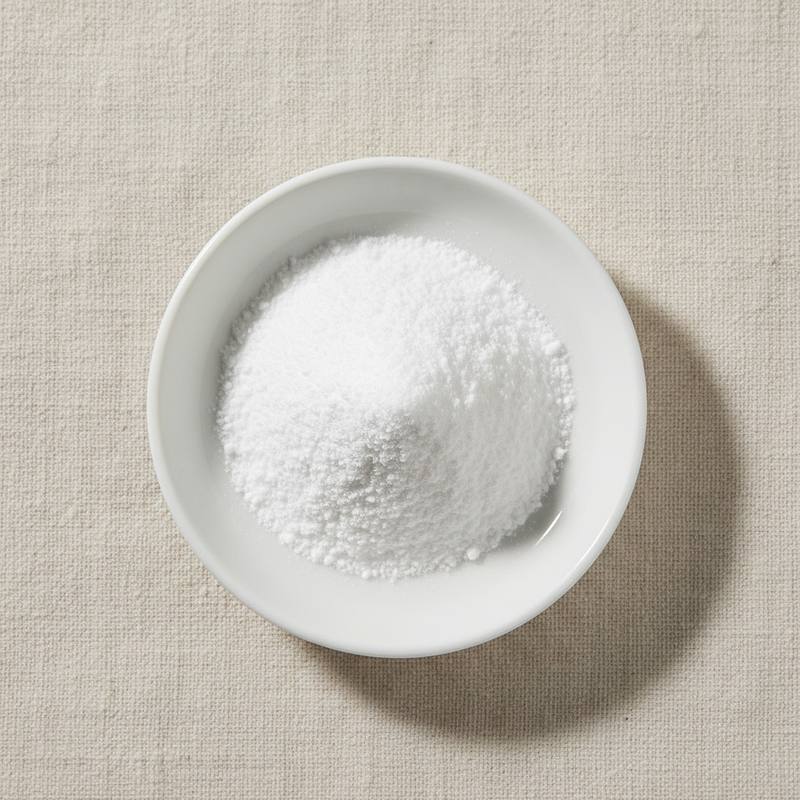
White crystalline powder (solid form) or clear colorless to pale yellow liquid (70 to 75 percent solution). Highly hygroscopic in solid form; solution format is preferred for liquid-feed and large-scale industrial use.
We supply feed-grade, food-grade, and pharmaceutical-grade Choline Chloride from manufacturers in China holding ISO, Halal, Kosher and other certifications relevant to the product and production.
Common market grades include Choline Chloride 50 percent on Silica Carrier (the dominant feed-grade powder format), Choline Chloride 60 percent on Corn Cob Carrier (cost-effective feed grade), Choline Chloride 70 percent Solution (liquid format for industrial use), and Choline Chloride 99 percent Crystalline (pharmaceutical and food-grade pure).
Bulk and reduced-MOQ shipments. Batch-level COA covering assay, moisture, trimethylamine, heavy metals, and microbiology.
Introduction
Choline was first isolated in 1862 and recognized as an essential nutrient through 20th century nutritional research. The U.S. Institute of Medicine officially classified choline as an essential nutrient in 1998 with an Adequate Intake of 425 to 550 mg per day for adults.
Industrial production proceeds by reaction of trimethylamine with ethylene oxide in the presence of hydrochloric acid, yielding choline chloride at high purity. The product is then crystallized for pure forms or absorbed onto silica or corn-cob carriers for feed applications.
Recognized as a permitted food ingredient by the U.S. FDA, the European Food Safety Authority, and equivalent regulators worldwide. The compound is included in mandatory infant formula fortification regulations in many markets.
The molecule's role in animal nutrition is exceptional in volume terms: poultry diets require 1000 to 2000 mg choline per kg feed, swine diets 800 to 1500 mg per kg, making choline the single highest-volume nutrient additive in animal feed manufacturing globally.
Strategic positioning is dominated by animal feed (the highest volume application by orders of magnitude), followed by infant formula and clinical nutrition (the highest unit value), and human supplements (the fastest-growing segment driven by emerging research on choline-cognition relationships).
Where it is used
- Animal feed: poultry, swine, dairy, aquaculture, and pet food fortification; the single largest volume nutrient in animal feed worldwide
- Infant formula and clinical nutrition
- Dietary supplements: liver-support, brain-health, and prenatal formulations
- Pharmaceutical applications including parenteral nutrition
- Fortified breakfast cereals and beverage manufacturing
- Cosmetic and personal-care applications
- Industrial chemical synthesis intermediate
Technical data
| Item | Specification |
|---|---|
| Appearance | White crystalline powder or pale yellow liquid |
| Assay | 50% / 60% / 70% / 99% (grade dependent) |
| Moisture (powder) | ≤ 4.0% |
| Trimethylamine | ≤ 300 mg/kg |
| pH (10% solution) | 6.0 to 8.0 |
| Heavy metals (as Pb) | ≤ 10 mg/kg |
| Arsenic | ≤ 3 mg/kg |
| Available forms | 50/60% on carrier, 70% solution, 99% crystalline |
Related ingredients
Ready to discuss business?
Send us your spec and requirement. We will respond with availability and pricing within 24 hours.