Description
A galactomannan extracted from the seed endosperm of Cassia tora and Cassia obtusifolia, plants cultivated principally in India. Structurally similar to Locust Bean Gum but with a lower galactose substitution (mannose:galactose ratio approximately 5:1) that produces exceptional synergy with xanthan and carrageenan at use levels below 0.1 percent.
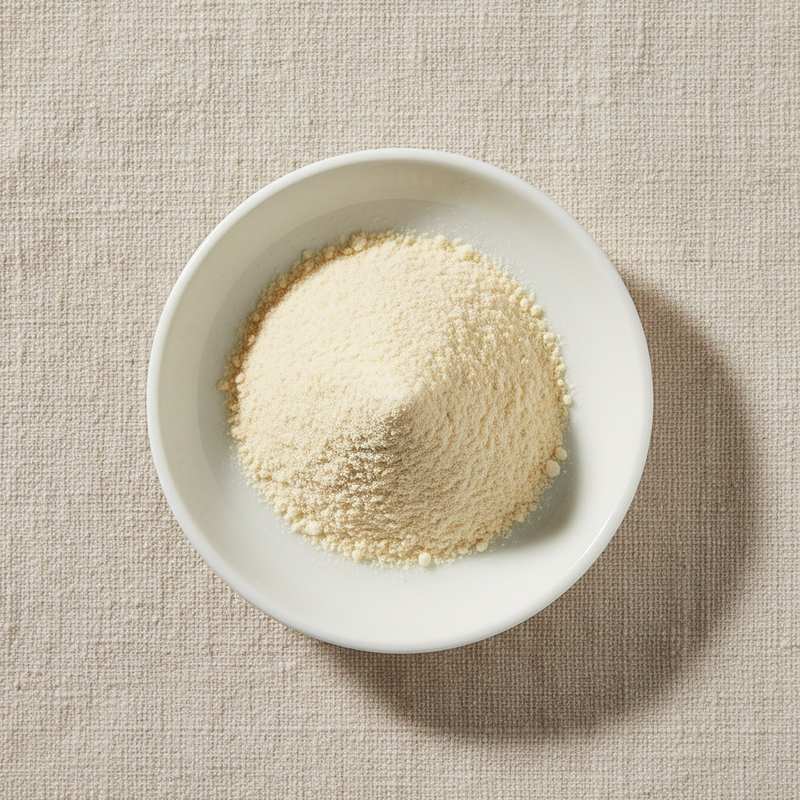
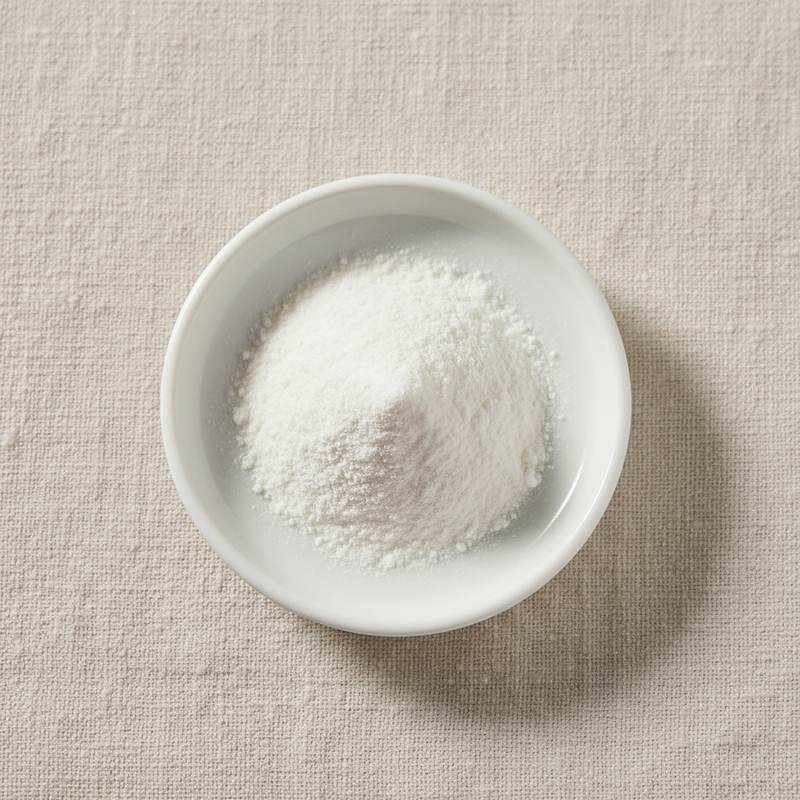
Pale yellow to cream-colored free-flowing powder. Requires hot water (around 80 °C) for full hydration; cold-water solubility is limited.
We supply food-grade Cassia Gum from manufacturers in China holding ISO, Halal, Kosher and other certifications relevant to the product and production.
Common market grades include Standard Food Grade for pet-food and meat-product applications, Premium Grade with higher galactomannan purity for synergistic gel formulation, and Industrial Grade for textile printing and paper applications.
Bulk and reduced-MOQ shipments. Batch-level COA covering viscosity, galactomannan content, anthraquinone content, protein, heavy metals, and microbiology.
Introduction
Cassia tora and Cassia obtusifolia have been cultivated in India and East Asia for centuries, with the seeds used in traditional medicine and as a coffee substitute. Industrial extraction of Cassia Gum for synergistic hydrocolloid applications was developed in the 1980s to provide a cost-effective alternative to Locust Bean Gum.
Industrial production proceeds by mechanical splitting and de-husking of Cassia seeds to isolate the endosperm, followed by alkaline treatment and milling to remove residual anthraquinones (free anthraquinones must be reduced to under 0.5 percent for food-grade material) and produce a clean galactomannan powder.
Regulated as E427 in the EU specifically for use in foods for cats and dogs and in certain processed cheese, milk-based desserts, and meat applications. Approved by JECFA with the same group Acceptable Daily Intake as Guar and Locust Bean Gum, conditional on anthraquinone limits.
The molecule is a galactomannan with a mannose:galactose ratio approximately 5:1, intermediate between Locust Bean Gum (4:1) and a hypothetical pure mannan. The low galactose substitution permits extensive intermolecular interaction with helical-forming polymers (xanthan, kappa-carrageenan, agar) producing very strong synergistic gels at very low total dosage.
Strategic positioning is the pet-food segment where Cassia Gum + Carrageenan blends deliver the firm sliceable gel matrix that defines premium canned wet pet food at a meaningfully lower total cost than Locust Bean Gum + Carrageenan blends. Use in human food is limited by regulation in some jurisdictions and by the residual anthraquinone concern.
Where it is used
- Pet food: the principal global application, used as a synergistic gelling agent with carrageenan in canned and pouched wet pet food
- Cured meat and processed meat formulations: water binding and texture in cost-positioned products
- Cheese products and dairy desserts in select markets
- Synergy blends with xanthan and carrageenan to engineer gel strength at low total hydrocolloid use level
- Frozen desserts and ice cream in cost-positioned applications
- Industrial applications: textile printing pastes and paper coatings
Technical data
| Item | Specification |
|---|---|
| Appearance | Pale yellow to cream-colored free-flowing powder |
| Galactomannan content | ≥ 75.0% |
| Mannose:galactose ratio | Approximately 5:1 |
| Viscosity (1% solution, hot) | 1500 to 3000 cP |
| Anthraquinone content | ≤ 0.5% |
| Loss on drying | ≤ 12.0% |
| Protein | ≤ 7.0% |
| Ash | ≤ 1.2% |
| Heavy metals (as Pb) | ≤ 5 mg/kg |
| Arsenic | ≤ 3 mg/kg |
| Particle size | ≥ 95% through 100 mesh |
Related ingredients
Ready to discuss business?
Send us your spec and requirement. We will respond with availability and pricing within 24 hours.