Description
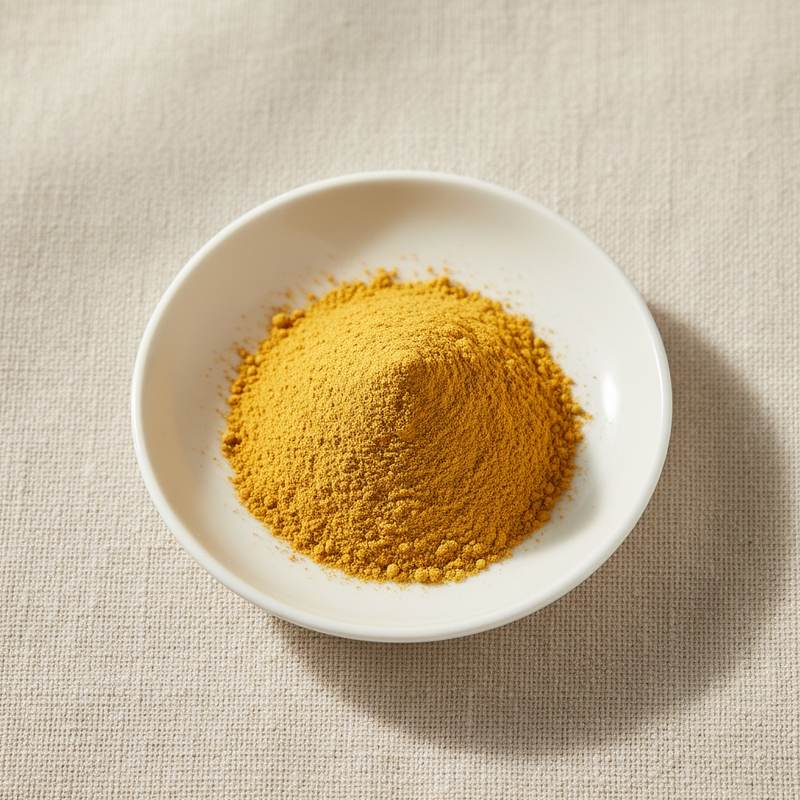
A natural lemon-yellow water-soluble colorant extracted from the florets of Carthamus tinctorius (safflower). The active pigments are safflor yellow A and B, water-soluble C-glycosyl quinochalcones that deliver a clean bright yellow distinct in tone from Curcumin or Tartrazine.
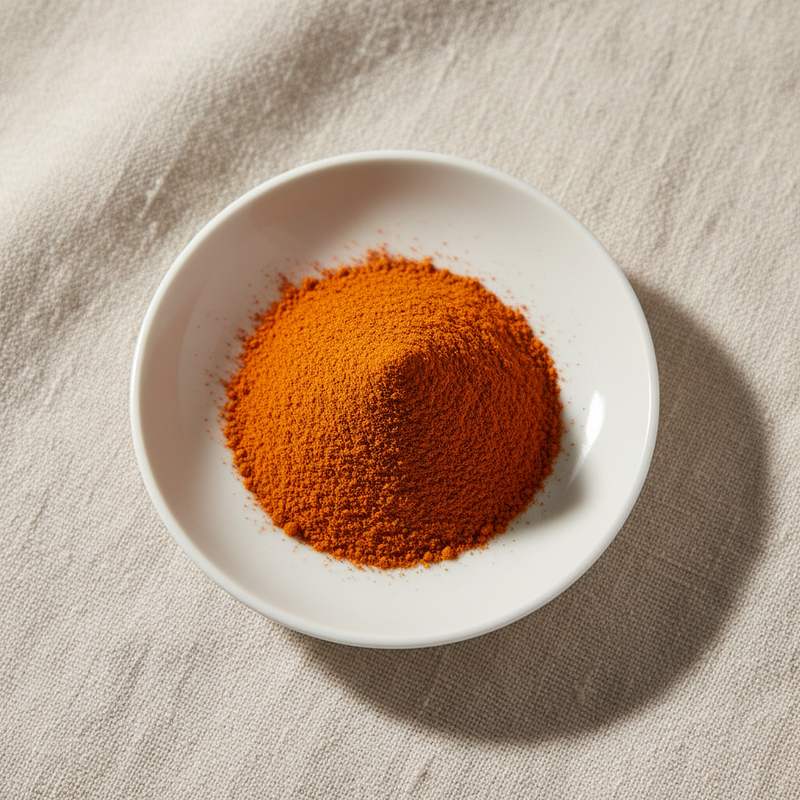
Yellow to orange-yellow free-flowing powder, or yellow liquid concentrate. Highly water-soluble, oil-insoluble, and well-suited to beverage, confectionery, and dairy applications where a clean lemon-yellow tone is required.
We supply food-grade Carthamus Yellow from manufacturers in China holding ISO, Halal, Kosher and other certifications relevant to the product and production.
Common market grades are sold by color value as E1% at 401 nm: 50, 100, 150, 200, and 300. Higher color values reflect more concentrated safflor yellow content and lower carrier load. The separately processed Carthamus Red is also available for red and pink applications.
Bulk and reduced-MOQ shipments. Batch-level COA covering color value, total safflor yellow content, heavy metals, residual solvent, and microbiology.
Introduction
Safflower has been cultivated in the Middle East, China, and India for over four thousand years for its oil, dye, and medicinal uses. Industrial standardization of safflor yellow as a food colorant developed in twentieth-century East Asia.
Production starts from dried safflower florets. The material is extracted with water, the extract is purified by membrane filtration and ion-exchange treatment, concentrated under vacuum, and either packed as liquid or spray-dried with a carrier to defined color strength. Carthamus Red is obtained through alkaline conversion of the same source material.
Carthamus Yellow is approved in Japan, China, South Korea, and much of Southeast Asia as a natural food colorant. In the EU it is permitted within the broader fruit and vegetable concentrate framework, and exporters should verify destination market regulatory status before shipment.
The technical profile is good: stable through pasteurization and short baking cycles, broad pH compatibility from 3 to 9, and moderate light stability in opaque packaging. Heat stability is sufficient for most beverage and confectionery use but degrades at extended high-temperature processing.
Strategically, Carthamus Yellow occupies a specific niche in the natural yellow palette: it delivers a clean lemon-yellow shade closer to Tartrazine than the orange-tinged hues of Curcumin or Annatto, making it the preferred clean-label replacement for Tartrazine in clear beverages and pale confectionery.
Where it is used
- Soft drinks, juice drinks, and flavored waters where clean lemon-yellow is required
- Sugar confectionery, gummies, and hard candies
- Wine and alcoholic beverages including yellow liqueurs
- Bakery products including biscuits, cakes, and sponge applications
- Asian wheat-based noodles and dumplings
- Ice cream, sorbet, and frozen dairy desserts
- Pickled vegetables and prepared condiments
- Pharmaceutical syrups and chewable tablets
- Pet food and premium pet treats
Technical data
| Item | Specification |
|---|---|
| Appearance | Yellow to orange-yellow powder or liquid |
| Source | Carthamus tinctorius (safflower florets) |
| Color value (E1%, 1cm, 401 nm) | 50, 100, 150, 200, or 300 (per grade) |
| Solubility | Freely soluble in water; insoluble in oil |
| Light stability | Moderate; best in opaque packaging |
| Heat stability | Good through pasteurization and short baking |
| pH stability range | 3.0 to 9.0 |
| Loss on drying | ≤ 6.0% |
| Residual solvent (ethanol) | ≤ 1000 mg/kg |
| Lead | ≤ 2 mg/kg |
| Arsenic | ≤ 1 mg/kg |
| Total plate count | ≤ 1000 CFU/g |
Related ingredients
Ready to discuss business?
Send us your spec and requirement. We will respond with availability and pricing within 24 hours.