Description
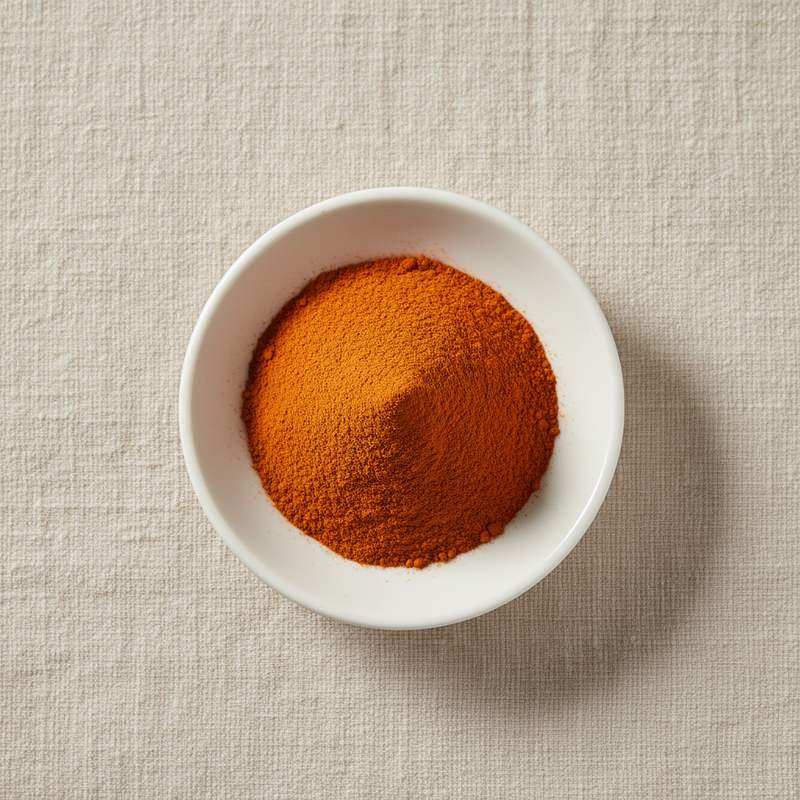
Spray-dried whole-fruit powder of Camu Camu (Myrciaria dubia), a small Amazonian fruit and among the highest natural sources of Vitamin C among edible plants. The fresh fruit contains approximately 2000 to 3000 mg Vitamin C per 100 grams, roughly 40 to 60 times higher than oranges and superior to Acerola on a fresh-weight basis.
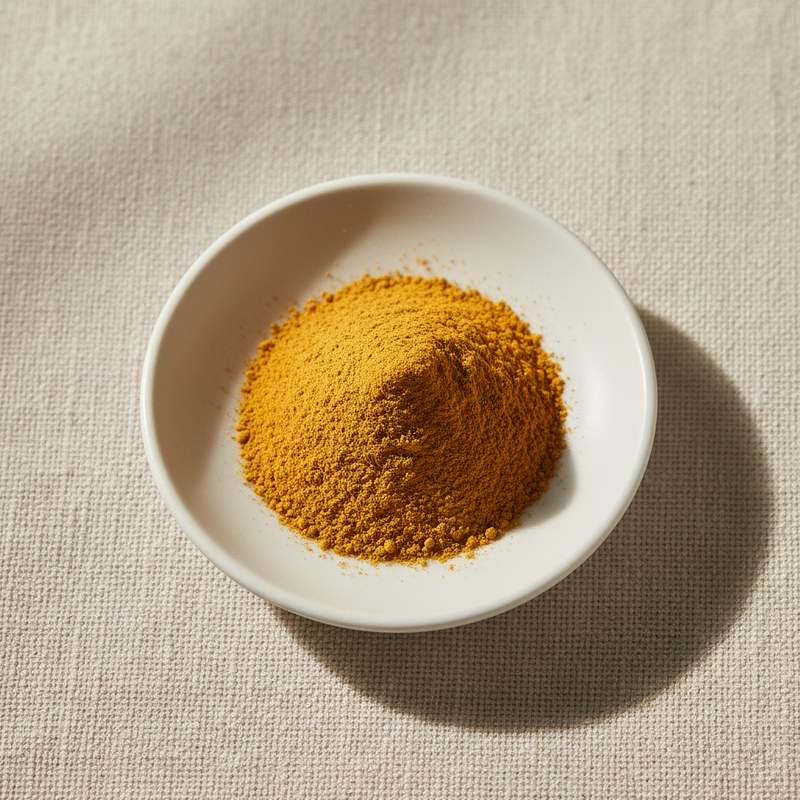
Light pink to light tan free-flowing powder with characteristic tart aroma. Highly water-soluble.
We supply food-grade Camu Camu Powder from manufacturers in China holding ISO, Halal, Kosher and other certifications relevant to the product and production. Certified-organic grades are available.
Companion market grades include Spray-Dried Whole-Fruit Powder at 5 to 8 percent natural Vitamin C (the workhorse grade documented here), Concentrated Extracts at 15 to 25 percent Vitamin C, and Freeze-Dried Whole-Fruit Powder (premium grade preserving the full anthocyanin and bioflavonoid profile).
Bulk and reduced-MOQ shipments. Batch-level COA covering natural Vitamin C content (HPLC), total polyphenols, total bioflavonoids, residual solvents, heavy metals, pesticides, and microbiology.
Introduction
Camu Camu is a small shrub or tree native to the Amazonian floodplains of Peru, Brazil, and Colombia. The fruit was traditionally harvested from wild stands by Amazonian communities and has been increasingly cultivated commercially since the 1990s for international export.
Industrial production proceeds by spray-drying of fresh Camu Camu juice or by freeze-drying of whole fruit pulp. Concentrated extract grades use ultrafiltration and selective precipitation to elevate Vitamin C content while preserving the natural cofactor compounds.
Approved as a Novel Food in the EU under specific authorization; recognized as a permitted food ingredient by the U.S. FDA and equivalent regulators in most major markets.
The natural Vitamin C in Camu Camu is identical to synthetic Ascorbic Acid at the molecular level but is accompanied by anthocyanins, ellagic acid, and other polyphenolic cofactors that provide additional antioxidant activity. Cost per mg Vitamin C is substantially higher than synthetic Ascorbic Acid or Acerola, limiting use to premium and clean-label applications.
Strategic positioning targets premium natural Vitamin C supplement applications specifically, with the Amazonian superfruit brand supporting price premiums over Acerola in clean-label segments.
Where it is used
- Premium natural Vitamin C dietary supplements (the premium-positioning alternative to Acerola and synthetic Ascorbic Acid)
- Superfruit-positioning dietary supplements and gummies
- Functional beverages: immune-support and wellness drinks
- Organic-certified fortified food applications
- Cosmetic skincare: premium natural Vitamin C anti-aging formulations
- Beauty-from-within nutricosmetic supplements
- Premium pet supplements positioned for immune support
- Whole-food-philosophy dietary supplements
Technical data
| Item | Specification |
|---|---|
| Appearance | Light pink to light tan free-flowing powder |
| Natural Vitamin C content (HPLC) | 5 to 8% (whole-fruit powder) / 15 to 25% (concentrated) |
| Total polyphenols | ≥ 2% |
| Loss on drying | ≤ 6.0% |
| Residue on ignition | ≤ 5.0% |
| Heavy metals (as Pb) | ≤ 2 mg/kg |
| Total plate count | ≤ 10000 cfu/g |
| Source | Myrciaria dubia whole fruit |
Related ingredients
Ready to discuss business?
Send us your spec and requirement. We will respond with availability and pricing within 24 hours.