Description
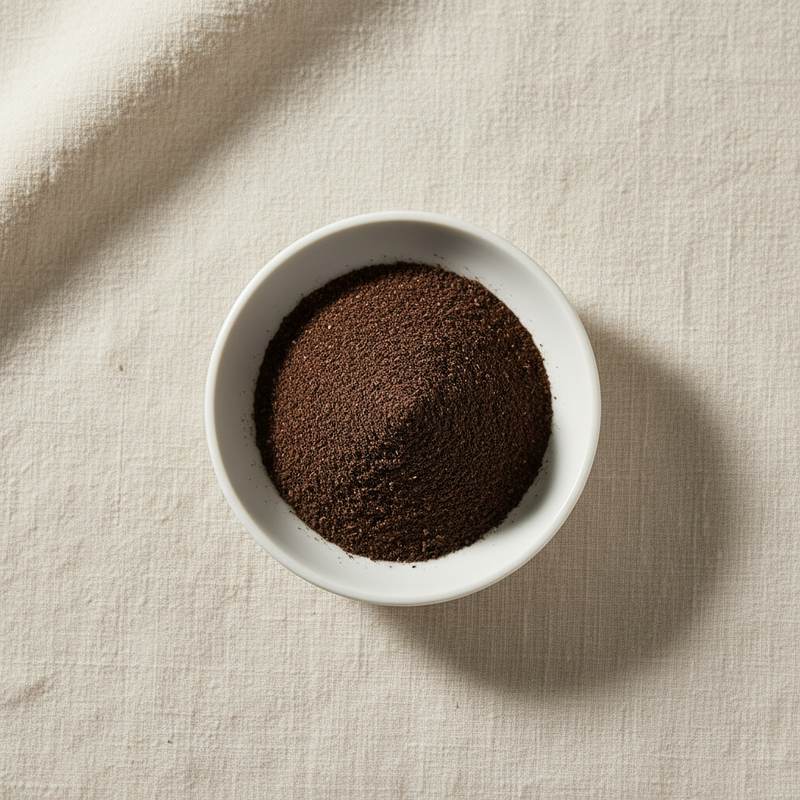
A spray-dried concentrated extract of heavily roasted malted barley. Color is intense (EBC 500 to 2000), flavor is deeply roasted and malty, and aroma is the characteristic dark-beer signature. Used wherever a clean-label natural alternative to caramel color and artificial dark flavor is required.
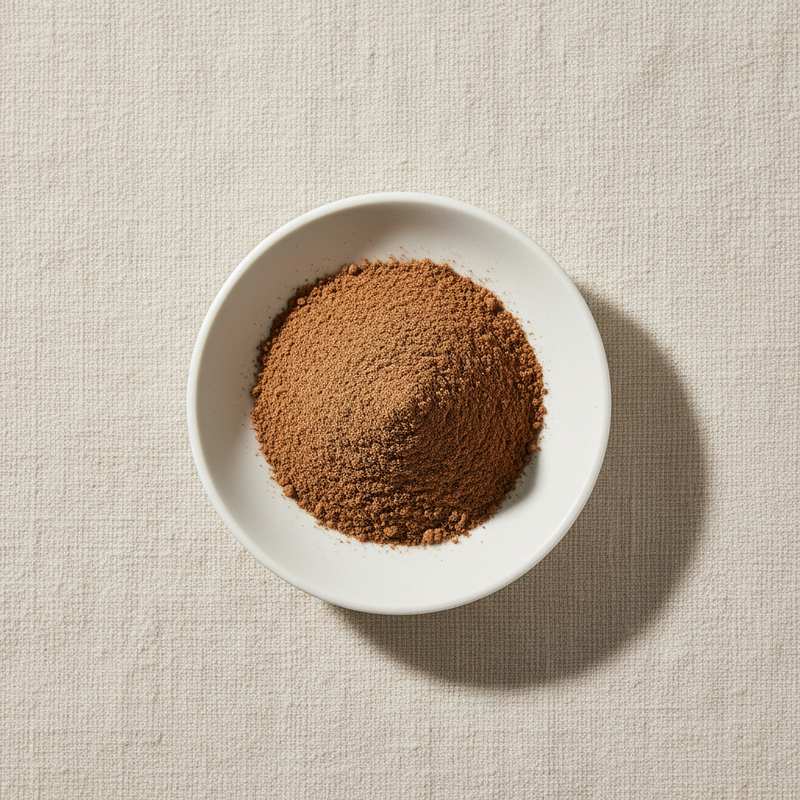
Dark brown to black free-flowing powder. Fully soluble in water. Total sugars 70 percent or higher on a maltose basis. Non-diastatic by virtue of the roasting process, which inactivates malt enzymes.
We supply food-grade Black Dry Malt Extract from manufacturers in China holding ISO, Halal, Kosher and other certifications relevant to the product and production.
Common market grades are differentiated by EBC color band, with EBC 500 to 1000 for chocolate malt character and EBC 1000 to 2000 for black-malt character. Custom blends with paler roasted malt powders are produced to specification.
Bulk and reduced-MOQ shipments. Batch-level COA covering moisture, total sugars, color, protein, heavy metals, and microbiology.
Introduction
Roasted malt has been part of the brewer's palette since the 17th century, when the development of coke-fired malt kilns in England enabled controlled roasting and the eventual emergence of stout and porter as distinct beer styles. The concentrated extract form developed from the 20th-century evolution of brewing-extract manufacture.
Production begins with malted barley roasted at progressively higher kiln temperatures to develop chocolate or black malt character. The roasted malt is mashed to extract the soluble flavor and color compounds, concentrated by vacuum evaporation, and spray-dried to a free-flowing powder. The roasting process inactivates the malt amylases, so the finished extract contributes no enzyme activity.
Regulated as a food ingredient in all major markets and assigned HS code 19019099. No numerical use limit. Allergen status is gluten-positive due to the barley origin.
The functional role is color and flavor delivery. The roasting reaction generates melanoidins, pyrazines, and furans that together produce the deep brown to black color and the characteristic roasted-malty aroma. In bakery and confectionery use the black dry malt extract contributes color and flavor that cannot be matched by caramel color, which provides color only, or by isolated flavor compounds, which lack the natural complexity.
Strategically, black dry malt extract sits in the clean-label color and flavor segment, competing with caramel color (E150) on label simplicity and against cocoa powder on cost. The product is positioned where the customer is willing to pay a premium for a natural malt label declaration.
Where it is used
- Stout, porter, schwarzbier, and other dark-beer brewing
- Pumpernickel, rye, and dark-crust bakery for natural color and roasted flavor
- Chocolate, cocoa, and malt-flavored confectionery
- Natural dark coloring for sauces, gravies, and bouillon bases
- Malt beverages and dark malt drink mixes
- Pet food coloring and flavor enhancement
- Natural color replacement for caramel color in clean-label reformulation
Technical data
| Item | Specification |
|---|---|
| Appearance | Dark brown to black free-flowing powder |
| Moisture | ≤ 4.0% |
| Total sugars (as maltose) | ≥ 70.0% |
| Color (EBC) | 500 to 2000 |
| Protein | 4.0% to 8.0% |
| pH (10% solution) | 4.5 to 6.0 |
| Ash | ≤ 2.5% |
| Solubility | Fully soluble in water |
| Heavy metals (as Pb) | ≤ 2 mg/kg |
| Total plate count | ≤ 10,000 CFU/g |
| Salmonella | Absent in 25 g |
Related ingredients
Ready to discuss business?
Send us your spec and requirement. We will respond with availability and pricing within 24 hours.