Description
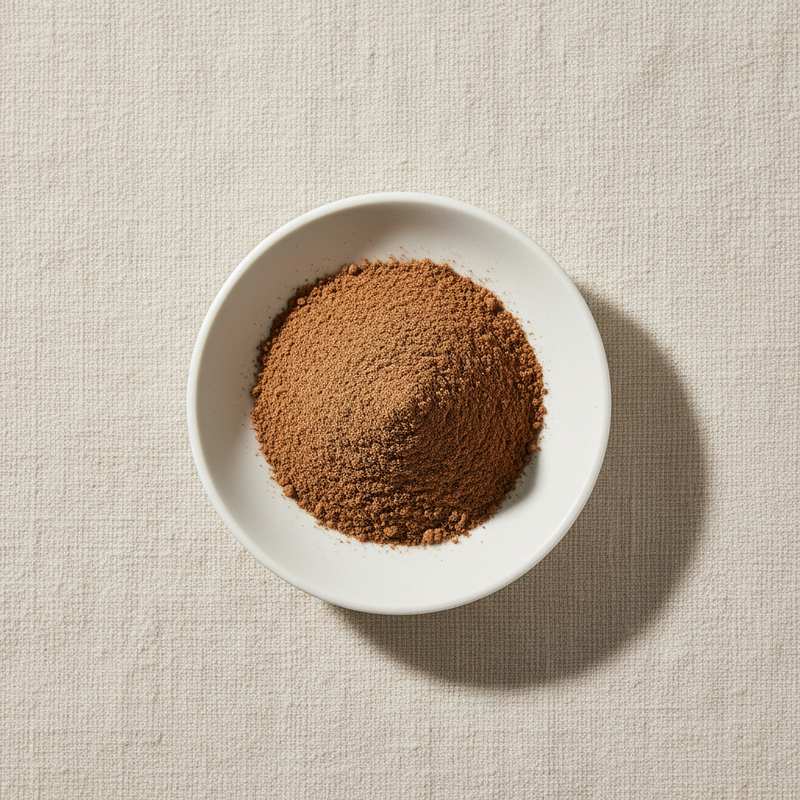
The spray-dried concentrated extract of malted-barley wort. Delivers maltose, glucose, and maltotriose along with soluble proteins, amino acids, and characteristic malt flavor in a free-flowing powder format that handles cleanly in dry pre-mix systems.
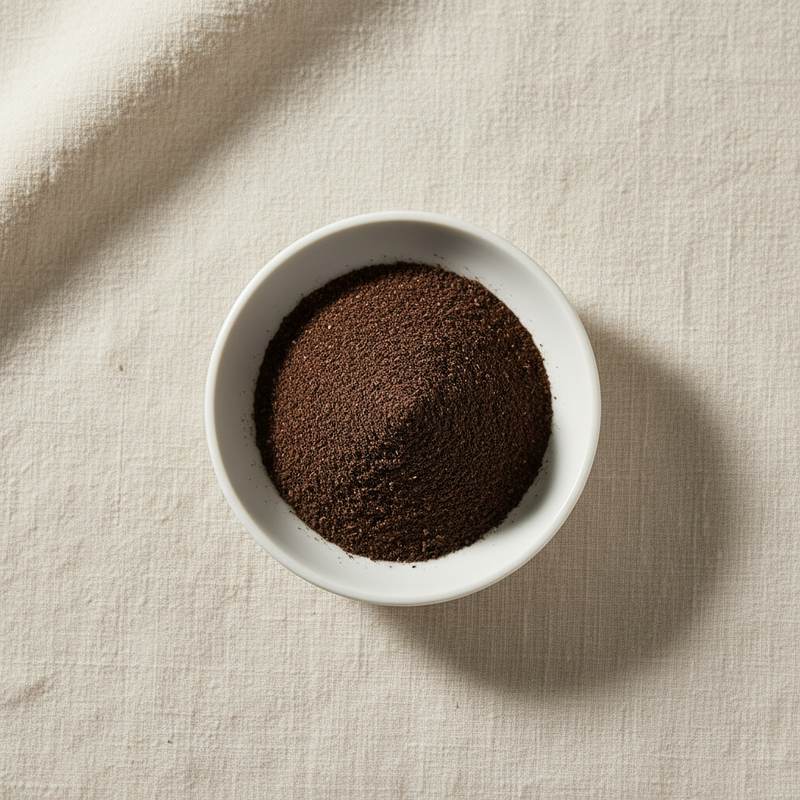
Light to dark amber free-flowing powder. Fully soluble in water on stirring. Total sugars 70 percent or higher on a dry basis, with maltose dominant at 50 percent or higher. Color ranges from pale (EBC 4) for pilsner-style use to caramel (EBC 100 to 500) for traditional bakery use.
We supply food-grade Dry Malt Extract from manufacturers in China holding ISO, Halal, Kosher and other certifications relevant to the product and production.
Common market grades include pale, amber, and dark by EBC color, with optional diastatic and non-diastatic forms. Diastatic DME retains active alpha and beta amylase from the malt and is used for dough enzyme supplementation; non-diastatic DME is heat-treated to deactivate enzymes and is used purely for color, flavor, and fermentable sugar contribution.
Bulk and reduced-MOQ shipments. Batch-level COA covering moisture, total sugars, maltose, color, protein, ash, and microbiology.
Introduction
Malt extract as an article of commerce traces to mid-19th century England, where evaporated wort was marketed as a nutritive food and medicine. Spray-dried dry malt extract emerged in the 20th century as drying technology made the powder format stable and economical.
Production starts with malted barley. The malt is milled, mashed with hot water to activate native amylase and convert starch to fermentable sugars, lautered to separate wort from spent grain, evaporated under vacuum to concentrate, and finally spray-dried to a free-flowing powder. Color and flavor depend on the malt variety, the kilning regime applied during malting, and the evaporation profile.
Regulated as a food ingredient (not an additive) in all major markets and assigned HS code 19019099. No numerical use limit. Allergen status is gluten-positive due to the barley origin.
In bakery the function is multifold. Maltose serves as fermentable sugar for yeast even in lean formulas; the reducing sugars drive Maillard browning for darker crust color; amino acids contribute to malt flavor; and in the diastatic grade the retained alpha and beta amylase activity supplements flour enzymes for improved dough fermentation and crumb structure.
Strategically, dry malt extract competes with liquid malt extract on handling and shelf life, with refined sugar on flavor and color contribution, and with isolated amylase enzymes on the diastatic side. The defining advantage is delivery of natural malt flavor and color that cannot be matched by isolated sugars or enzymes alone.
Where it is used
- Crust color and flavor in bagels, pretzels, rye bread, and artisan loaves
- Fermentable sugar source and yeast nutrient in lean-formula bread and pizza dough
- All-grain and extract-recipe home and craft brewing
- Malted milk balls, malted toffees, and traditional malt confectionery
- Breakfast cereal coatings, granolas, and malted snack bars
- Malt-flavored milkshakes, Horlicks-style drinks, and powdered beverage mixes
- Nutritional and sports nutrition powders requiring natural carbohydrate base
- Sourdough starter and pre-ferment nutrition
Technical data
| Item | Specification |
|---|---|
| Appearance | Light to dark amber free-flowing powder |
| Moisture | ≤ 4.0% |
| Total sugars (as maltose) | ≥ 70.0% |
| Maltose | ≥ 50.0% |
| Protein | 4.0% to 8.0% |
| Color (EBC) | 4 to 500+ (variety dependent) |
| pH (10% solution) | 5.0 to 6.0 |
| Ash | ≤ 2.5% |
| Solubility | Fully soluble in water |
| Total plate count | ≤ 10,000 CFU/g |
| Yeast and mold | ≤ 100 CFU/g |
| Salmonella | Absent in 25 g |
Related ingredients
Ready to discuss business?
Send us your spec and requirement. We will respond with availability and pricing within 24 hours.