Description
A resinous substance collected by honeybees from tree buds, particularly poplar, and processed with bee secretions for use as a hive sealant. Commercial grades are standardised on flavonoid and total phenolic content.
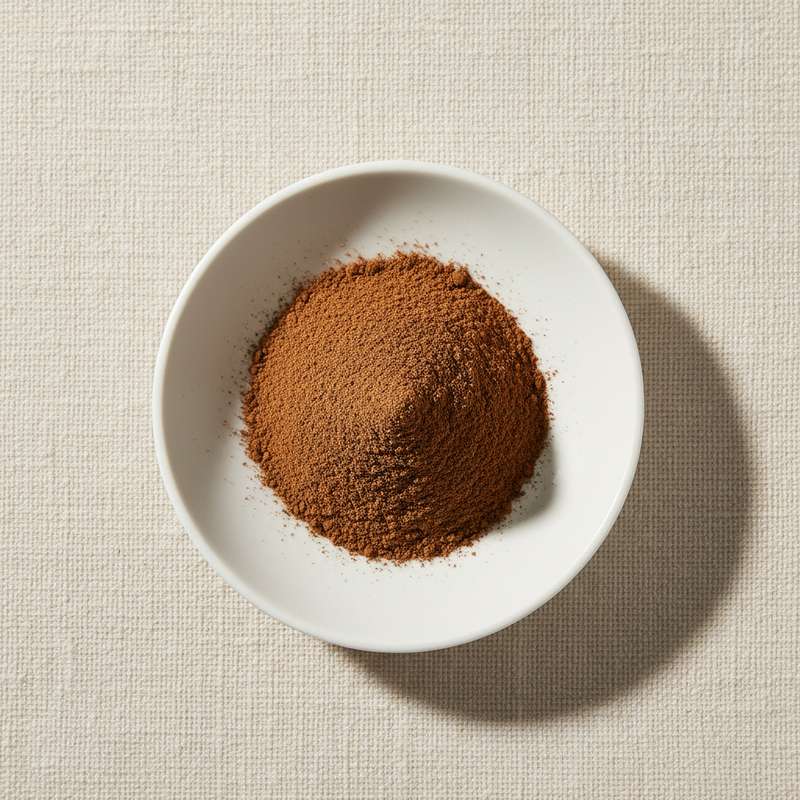
Brown to dark brown waxy material in raw form; processed forms include dried powders, soft and dry extracts, and tincture. Characteristic balsamic odour. Insoluble in water in raw form, soluble in ethanol and water-ethanol blends.
We supply food-grade Bee Propolis from manufacturers in China holding ISO, Halal, Kosher and other certifications relevant to the product and production. Both raw propolis and standardised extracts are available, with origin documentation traceable to apiary region.
Common market grades include Raw Propolis (granular or block, for further processing), Dewaxed Propolis Extract Powder at standardised flavonoid content (typically 10 percent, 20 percent, 30 percent, or 40 percent total flavonoids by UV), Ethanol Extract solutions, Water-Soluble Propolis (encapsulated for beverage use), and Green Propolis (Brazilian-style, distinct chemotype with artepillin C as a marker compound; available on request from regional supply).
Bulk and reduced-MOQ shipments. Batch-level COA covering total flavonoid content, total phenolic content, residual solvents, heavy metals, and microbiology.
Introduction
The use of propolis for medicinal purposes is documented in Egyptian mummification, classical Greek and Roman medicine, and traditional Chinese pharmacopoeia, with continuous commercial collection over the past two centuries.
Composition is determined by the botanical source of the resin that bees collect. European and Chinese propolis is predominantly poplar-derived, with flavonoids including pinocembrin, galangin, and chrysin as the marker compounds. Brazilian Green Propolis is collected by Africanised bees from Baccharis dracunculifolia and is distinguished by artepillin C and prenylated phenolic acids.
Recognised as a traditional food and supplement ingredient in the EU, China, Japan, Brazil, and most other major markets. Approved as a Health Food monograph ingredient in China and as a TGA-listed complementary medicine in Australia.
The principal bioactives are flavonoids and phenolic acids that deliver antibacterial, antiviral, anti-inflammatory, and antioxidant activity. The antibacterial profile is broad-spectrum and includes activity against oral pathogens, which underpins the dominant throat and dental applications.
Standardisation is typically expressed as total flavonoids by UV spectrophotometry or as total polyphenols by the Folin-Ciocalteu method. Finished-product specifications vary by region and by application, with premium markets demanding higher flavonoid content and verified botanical origin.
Where it is used
- Throat and oral-health lozenges, sprays, and pastilles; the dominant retail application
- Immune-support supplements in capsule, tablet, and tincture formats
- Wound-care and oral-ulcer topical products
- Cosmetic and skin-care formulations for anti-inflammatory positioning
- Dental and periodontal products including toothpaste and mouthwash
- Functional honey blends and premium apicultural retail products
- Veterinary topical products for wound and skin applications
- Beekeeper-direct and farmer-market wellness products
Technical data
| Item | Specification |
|---|---|
| Appearance | Brown to dark brown powder or extract |
| Total flavonoids (UV, as rutin) | ≥ 20.0% (customisable from 10% to 40%) |
| Total phenolic content | ≥ 25.0% |
| Moisture | ≤ 5.0% |
| Ash | ≤ 5.0% |
| Wax content | ≤ 5.0% (dewaxed grades) |
| Heavy metals (as Pb) | ≤ 5 mg/kg |
| Residual solvents (ethanol) | Meets ICH Q3C limits |
| Microbiology | Total plate count ≤ 10,000 CFU/g; absence of Salmonella and E. coli |
| Storage | Sealed, cool dry conditions, protected from light |
Related ingredients
Ready to discuss business?
Send us your spec and requirement. We will respond with availability and pricing within 24 hours.