Description
A polyphenolic extract from unripe apples (Malus domestica), standardized to procyanidin content. The unripe fruit provides substantially higher procyanidin yield than ripe apples (which lose much polyphenol content during ripening). Used in cardiovascular-support and skin-health dietary supplements.
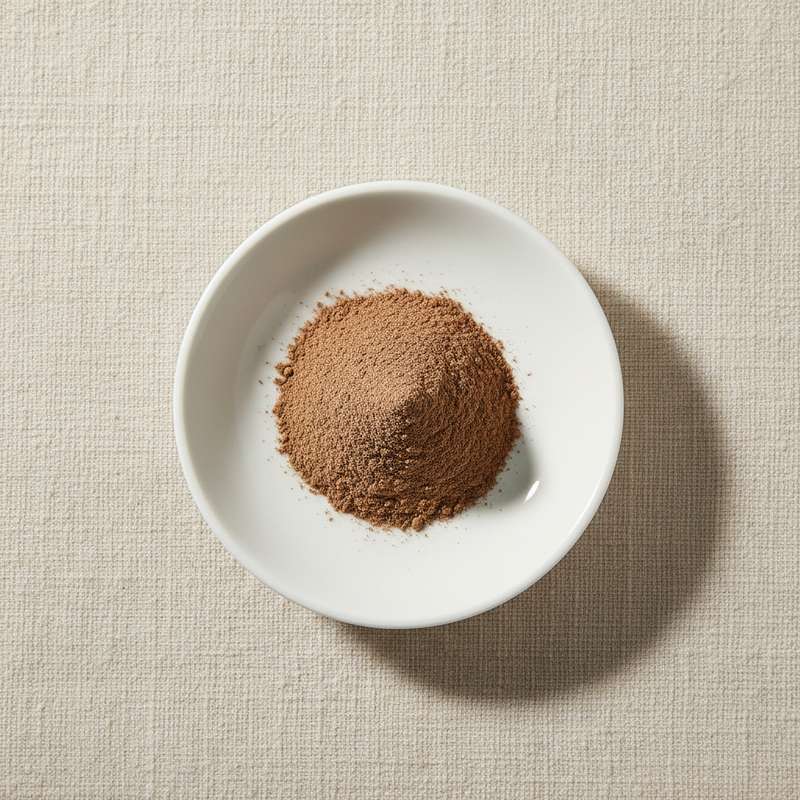
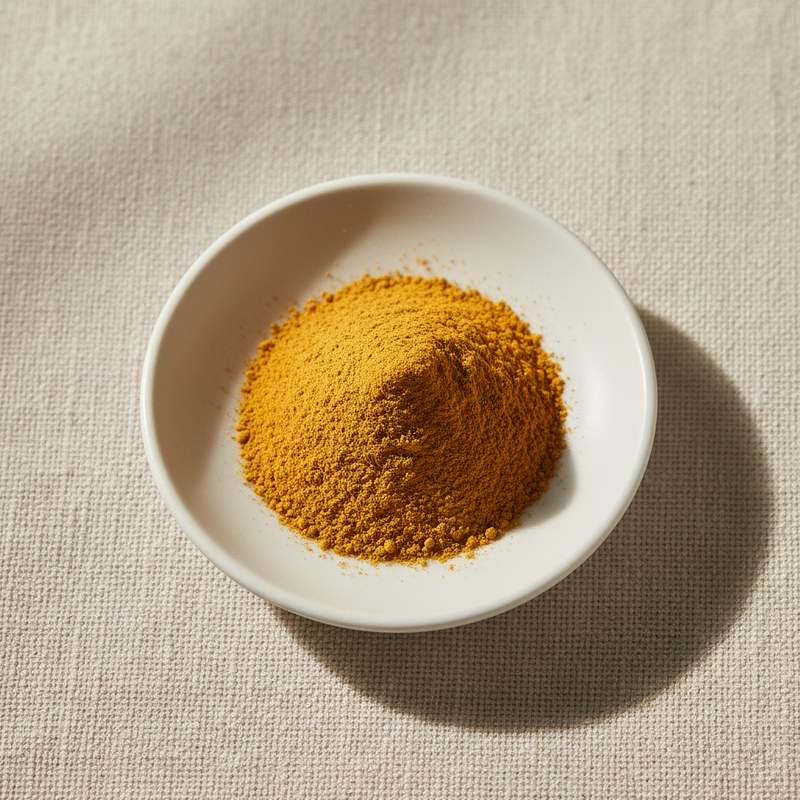
Light pink to reddish-brown free-flowing powder. Highly water-soluble.
We supply food-grade Apple Procyanidins from manufacturers in China holding ISO, Halal, Kosher and other certifications relevant to the product and production.
Common market grades include Apple Polyphenols 60 percent (cost-effective baseline), Apple Polyphenols 75 to 80 percent / Procyanidins 35 percent (the workhorse supplement grade), and Apple Polyphenols 90 percent / Procyanidins 60 percent (premium grade).
Bulk and reduced-MOQ shipments. Batch-level COA covering total polyphenols (UV), procyanidin content (vanillin-HCl or HPLC), phloridzin content, residual solvents, heavy metals, pesticides, and microbiology.
Introduction
Apple Procyanidins emerged as a Japanese specialty supplement ingredient through Asahi Group's commercial development in the early 2000s. The clinical evidence base built by Japanese researchers, particularly around anti-allergy and skin-health endpoints, supported premium positioning. Subsequent global market expansion has positioned Apple Procyanidins alongside Grape Seed OPC, Pine Bark, and Cocoa Procyanidins in the proanthocyanidin supplement segment.
Industrial production proceeds by hot-water and ethanol extraction of unripe apples (the small unripe fruits that growers thin from orchards to improve final fruit quality, traditionally treated as agricultural waste). The procyanidin profile is dominated by oligomeric procyanidin B-type with average degree of polymerization typically 4 to 9.
Recognized as a permitted food ingredient by the U.S. FDA (GRAS), the European Food Safety Authority, and equivalent regulators worldwide.
Clinical evidence supports the skin-health positioning particularly, with controlled trials showing reductions in UV-induced erythema, melanin production, and visible aging markers at typical doses of 300 to 600 mg per day over 8 to 12 weeks. Cardiovascular endpoints are supported by more general procyanidin literature.
Strategic positioning targets premium skin-health supplements, cardiovascular-support products, and the established Japanese anti-allergy specialty segment.
Where it is used
- Cardiovascular-support dietary supplements: blood pressure and lipid-support positioning
- Skin-health and anti-aging supplements (clinical research supports UV-protective and visible aging endpoints)
- Anti-allergy and antihistamine-positioned supplements (the established Japanese specialty positioning)
- Sports nutrition: muscle-fatigue and endurance-positioned products
- Functional beverages: wellness shots and antioxidant drinks
- Cosmetic skincare: anti-aging and brightening formulations
- Beauty-from-within supplements and gummies
- Dental-care applications: anti-plaque and anti-caries positioning
Technical data
| Item | Specification |
|---|---|
| Appearance | Light pink to reddish-brown free-flowing powder |
| Total polyphenols (UV) | 60% / 80% / 90% (grade dependent) |
| Procyanidins (vanillin-HCl) | 35% / 60% (premium grades) |
| Loss on drying | ≤ 5.0% |
| Residue on ignition | ≤ 5.0% |
| Heavy metals (as Pb) | ≤ 2 mg/kg |
| Total plate count | ≤ 1000 cfu/g |
| Source | Malus domestica unripe fruit |
Related ingredients
Ready to discuss business?
Send us your spec and requirement. We will respond with availability and pricing within 24 hours.