Description
The standardized procyanidin extract from cocoa beans (Theobroma cacao), containing epicatechin, catechin, and oligomeric procyanidins as the principal actives. Distinct from cocoa powder (a food ingredient) by substantially higher flavanol concentration through selective extraction and preservation of the heat-labile flavanols normally degraded during conventional cocoa processing.
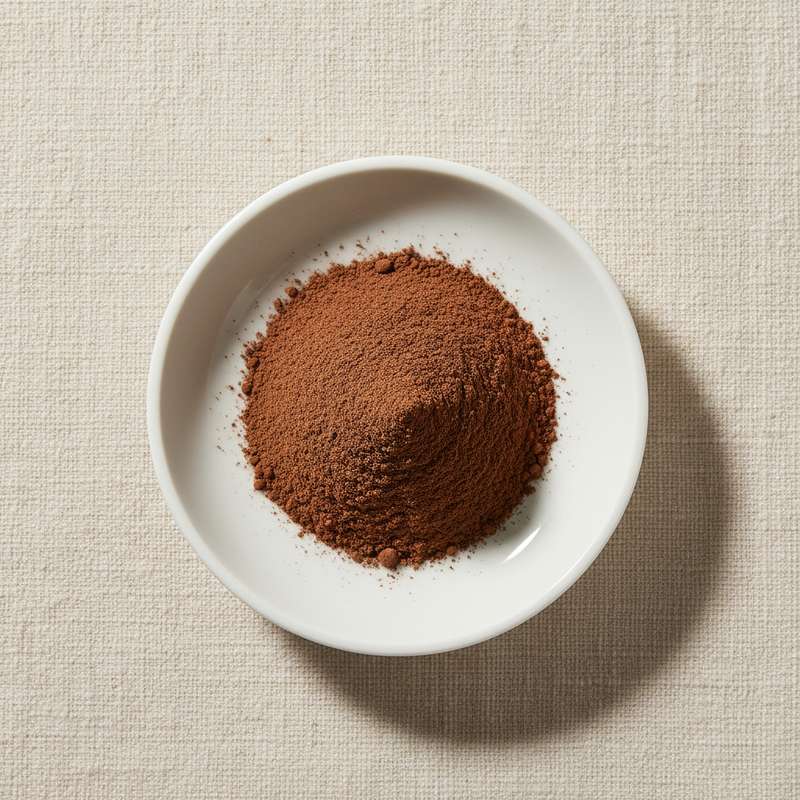
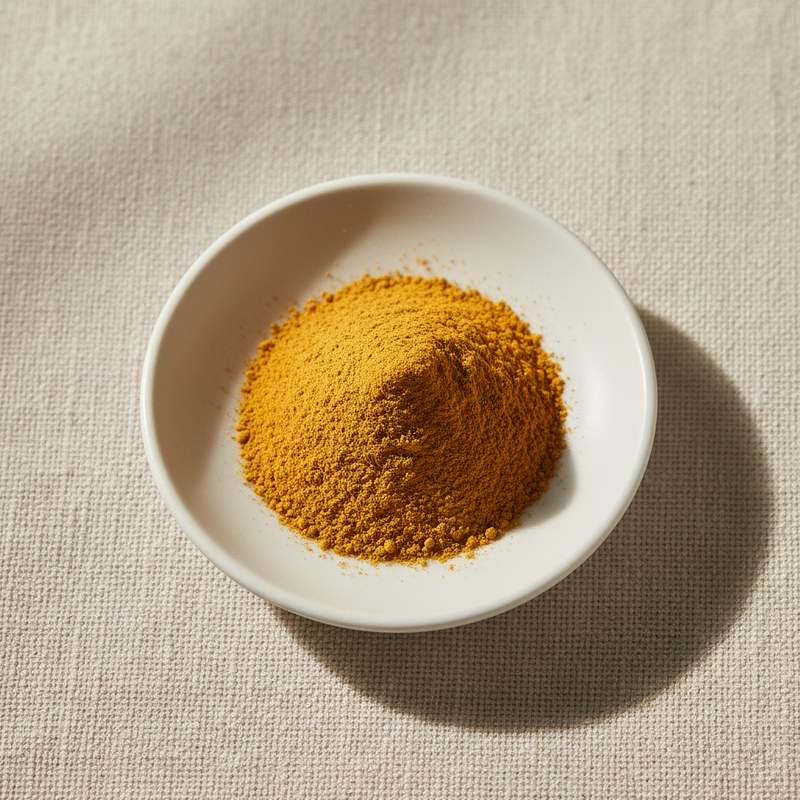
Light brown to dark brown free-flowing powder. Highly water-soluble.
We supply food-grade Cocoa Procyanidins from manufacturers in China holding ISO, Halal, Kosher and other certifications relevant to the product and production.
Common market grades include Cocoa Flavanols 25 percent (cost-effective baseline), Cocoa Flavanols 40 percent (standard supplement grade), Cocoa Flavanols 60 percent (premium grade), and Cocoa Procyanidins with declared epicatechin content (the clinically-studied actives, typically 5 to 15 percent epicatechin).
Bulk and reduced-MOQ shipments. Batch-level COA covering total flavanols (UV), epicatechin content (HPLC), theobromine content, caffeine content, residual solvents, heavy metals (cadmium specifically, given cocoa's known cadmium accumulation), and microbiology.
Introduction
Cocoa Procyanidins reached commercial prominence following Mars Inc.'s long-term research program (CocoaVia, CocoaPro) characterizing the cardiovascular effects of cocoa flavanols. The research established that conventional cocoa processing (Dutching, roasting) destroys 60 to 90 percent of the native flavanol content, but specialized processing can preserve flavanols at substantially higher concentrations for supplement and functional-food applications.
Industrial production proceeds by selective extraction of unroasted or minimally-processed cocoa beans, followed by purification and standardization to defined flavanol content. The processing care required to preserve heat-labile and pH-sensitive flavanols supports premium positioning relative to conventional cocoa powder.
Recognized as a permitted food ingredient by the U.S. FDA (GRAS), the European Food Safety Authority, and equivalent regulators worldwide. The EFSA has issued a health claim for cocoa flavanols (200 mg per day) for maintenance of endothelial-dependent vasodilation contributing to normal blood flow, one of the few approved cardiovascular health claims for any food ingredient in EU regulation.
Clinical evidence supports cardiovascular endpoints (blood pressure, endothelial function, cognitive function in older adults) at flavanol doses of 200 to 900 mg per day, with the strongest evidence at the EFSA-approved 200 mg threshold.
Strategic positioning targets premium cardiovascular and cognitive-support supplements where the EFSA health claim supports differentiated regulatory positioning in EU markets.
Where it is used
- Cardiovascular-support dietary supplements: blood pressure and endothelial-function positioning (the dominant clinical application)
- Cognitive-support supplements: cerebrovascular function and cognitive aging applications
- Premium functional beverages: cocoa-positioned wellness shots and chocolate-flavor antioxidant drinks
- Sports nutrition: exercise-performance and recovery-positioned products
- Cosmetic skincare: anti-aging and skin-blood-flow positioning
- Beauty-from-within supplements and premium chocolate-positioned gummies
- Healthy chocolate and confectionery applications with elevated flavanol content
Technical data
| Item | Specification |
|---|---|
| Appearance | Light brown to dark brown free-flowing powder |
| Total flavanols (UV) | 25% / 40% / 60% (grade dependent) |
| Epicatechin (HPLC) | 5% to 15% (grade dependent) |
| Theobromine | declared per batch (typically 1% to 5%) |
| Cadmium | ≤ 0.5 mg/kg |
| Loss on drying | ≤ 5.0% |
| Heavy metals (as Pb) | ≤ 2 mg/kg |
| Source | Theobroma cacao beans |
Related ingredients
Ready to discuss business?
Send us your spec and requirement. We will respond with availability and pricing within 24 hours.