Description
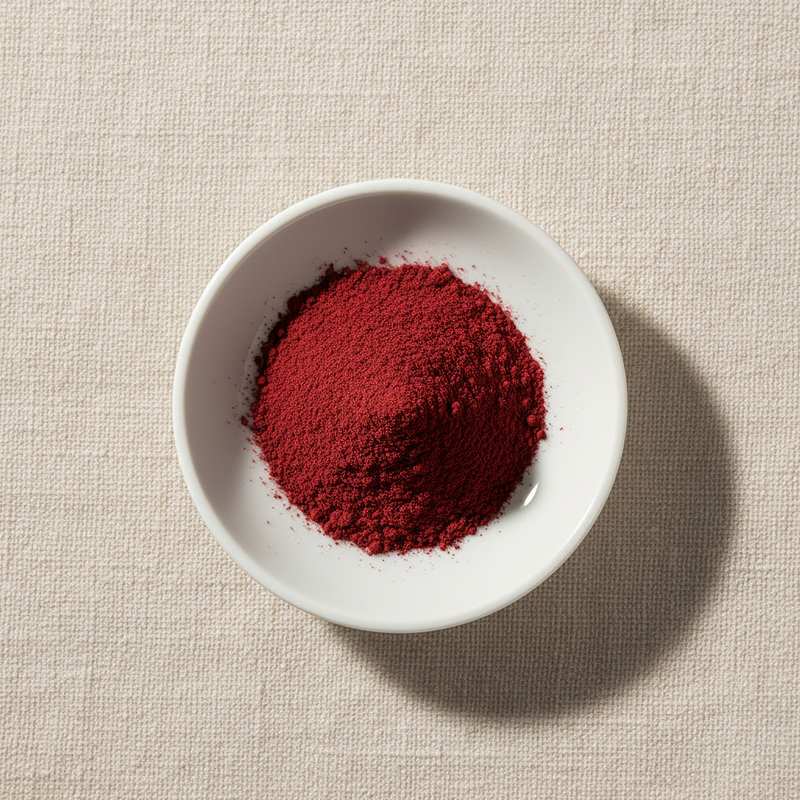
A synthetic bright red water-soluble azo dye. Chemically the disodium salt of a naphthalene-azo-sulfonate compound, listed in the United States as FD&C Red 40 and in the EU as E129. The most widely used red food dye in the world.
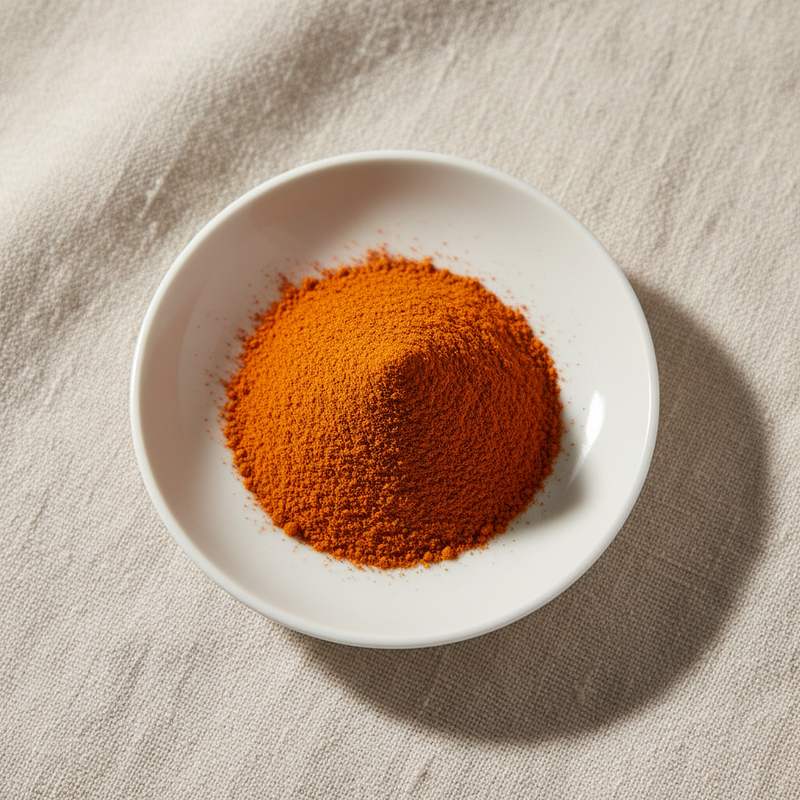
Bright red to deep red free-flowing fine powder or granules. Highly water-soluble, with the corresponding aluminum lake available for fat-based, dry-blend, and tablet-coating applications.
We supply food-grade Allura Red from manufacturers in China holding ISO, Halal, Kosher and other certifications relevant to the product and production. Both the soluble dye and the aluminum lake are produced.
Common market grades are sold by dye content: pure dye at minimum 85 percent total coloring matter and aluminum lake at 10 percent, 20 percent, 30 percent, or 40 percent dye content. Granulated and dust-controlled preparations are produced for handling applications.
Bulk and reduced-MOQ shipments. Batch-level COA covering total dye content, subsidiary colors, uncombined intermediates, heavy metals, and microbiology.
Introduction
Allura Red AC was introduced in the 1970s as a replacement for Amaranth (FD&C Red 2), which was delisted in the United States in 1976 over toxicological concerns. It rapidly became the dominant red food dye in North America and a major red dye worldwide.
Production proceeds by diazotization of 5-amino-4-methoxy-2-toluenesulfonic acid, coupling with 6-hydroxy-2-naphthalenesulfonic acid, and isolation as the disodium salt. The crude dye is purified by recrystallization and standardized to declared total coloring matter content.
Regulated as E129 in the EU and listed as FD&C Red 40 in the United States with mandatory ingredient declaration. Approved by JECFA with an Acceptable Daily Intake of 7 mg per kg body weight. In the EU, products containing Allura Red must carry the Southampton-related child-activity warning. Banned or restricted in specific jurisdictions including California for use in foods served in public schools beginning in 2027.
The technical profile is excellent: stable through baking, retort, UHT, and pasteurization; broad pH stability from 2 to 9; excellent light stability; and compatibility with most food ingredients.
Strategically, Allura Red is the principal clean-label reformulation target across major food categories, with replacement routes through Carmine, Beetroot Red, Anthocyanin, and Lycopene depending on the application matrix and label claim. Reformulation activity has accelerated significantly under California legislation and parallel state-level proposals.
Where it is used
- Soft drinks, sports drinks, energy drinks, and powdered drink mixes
- Sugar confectionery, gummies, jellies, and hard candies
- Cherry, strawberry, raspberry, and red-fruit flavored products
- Bakery products including sponge cakes, biscuits, and decorative icings
- Dairy products including flavored yogurts, ice cream, and milkshakes
- Cereal coatings and breakfast cereals
- Pet food positioned for red and pink visual appeal
- Pharmaceutical tablets, capsules, and syrups
- Cosmetics and personal-care preparations
Technical data
| Item | Specification |
|---|---|
| Appearance | Bright red to deep red powder |
| Chemical class | Synthetic monoazo dye |
| Total coloring matter (dye) | ≥ 85.0% |
| Aluminum lake dye content | 10%, 20%, 30%, or 40% (per grade) |
| Color value (E1%, 1cm, 504 nm) | ≥ 540 |
| Solubility | Freely soluble in water (dye); insoluble (lake) |
| Light stability | Excellent |
| Heat stability | Excellent; stable through baking and retort |
| pH stability range | 2.0 to 9.0 |
| Subsidiary colors | ≤ 3.0% |
| Lead | ≤ 2 mg/kg |
| Arsenic | ≤ 1 mg/kg |
Related ingredients
Ready to discuss business?
Send us your spec and requirement. We will respond with availability and pricing within 24 hours.