Description
A functional ingredient produced by enzymatic depolymerization of Sodium Alginate, yielding short-chain alginate oligomers with prebiotic and immunomodulatory bioactivity. Used in functional foods, dietary supplements, and pharmaceutical applications rather than as a thickener.
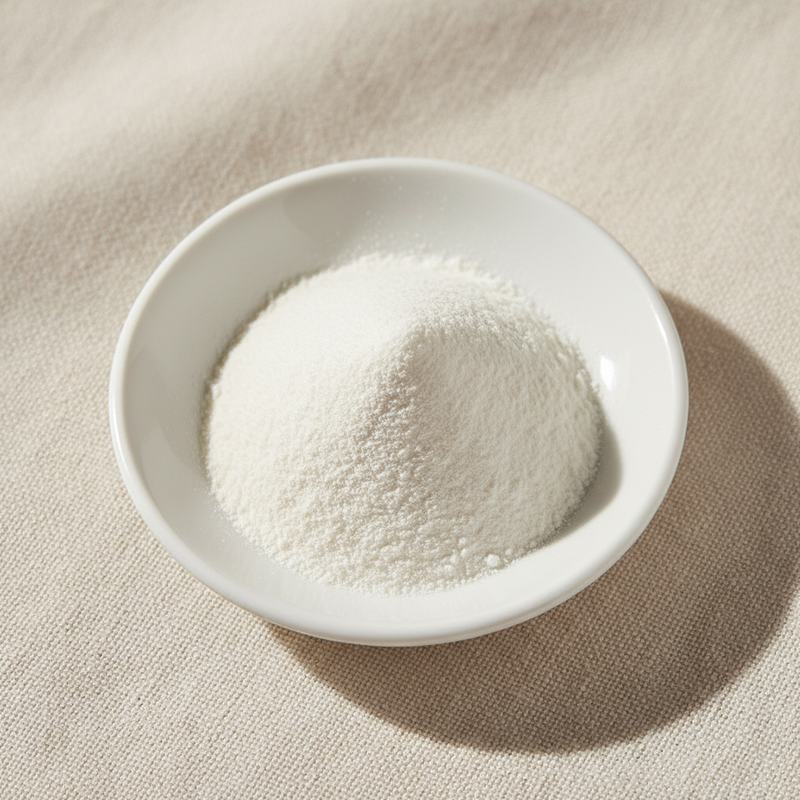
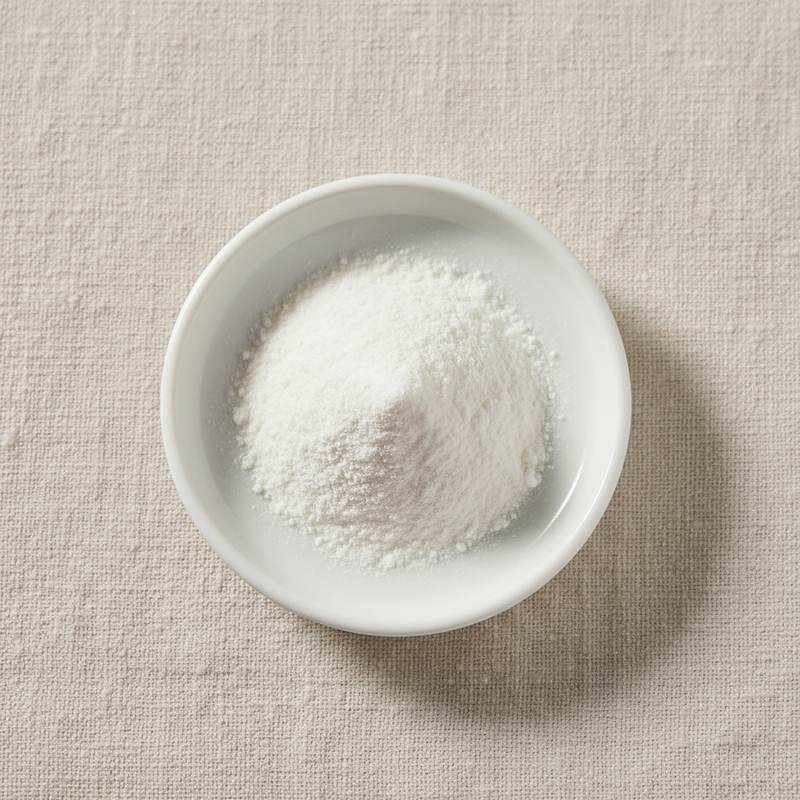
Pale yellow to light brown free-flowing powder. Highly water-soluble (unlike parent alginate polymer); the depolymerization eliminates viscosity contribution while preserving and concentrating bioactivity.
We supply food-grade Alginate Oligosaccharide from manufacturers in China holding ISO, Halal, Kosher and other certifications relevant to the product and production.
Common market grades include Standard AOS Powder (DP 2 to 10, the workhorse for functional supplements), High-Purity AOS for pharmaceutical applications, and Liquid AOS at 50 to 70 percent solids for beverage manufacturing.
Bulk and reduced-MOQ shipments. Batch-level COA covering molecular weight distribution, total oligosaccharide content, M/G ratio, heavy metals, and microbiology.
Introduction
Alginate Oligosaccharide (AOS) is produced by enzymatic depolymerization of Sodium Alginate using alginate lyases that cleave the polymer chains into short-chain oligomers, typically degree of polymerization 2 to 10.
Industrial production proceeds in two steps: alkaline extraction and purification of Sodium Alginate from brown seaweed, then enzymatic depolymerization in controlled-pH bioreactors using alginate lyases. The resulting oligosaccharide mixture is purified, decolorized, and spray-dried to defined molecular-weight specifications.
Recognized as a functional food ingredient in China and Japan with national approvals; regulatory status outside Asia varies by jurisdiction, with the U.S. classifying AOS on a case-by-case basis and the EU evaluating under the Novel Food regulation.
The bioactivity profile differs fundamentally from the parent alginate polymer: AOS is absorbed in the small intestine (the polymer is not), enters systemic circulation, and exerts effects on immune cells, gut microbiota composition, and inflammatory signaling pathways. Research literature documents anti-inflammatory, prebiotic, and immunomodulatory effects in cell culture and animal models.
Strategic positioning targets the functional-food and supplement market specifically, where AOS commands a substantial price premium over conventional Sodium Alginate due to its bioactive function rather than its rheological properties. Use levels are correspondingly low (50 to 500 mg per dose) compared to alginate-as-thickener applications.
Where it is used
- Functional dietary supplements: prebiotic gut-health products, immune-support formulas, and inflammation-management products
- Functional beverages including marine-source wellness shots and digestive-health drinks
- Pharmaceutical applications: anti-inflammatory and gut-microbiome modulation research and clinical use
- Skin-care and cosmetic applications: anti-aging serums and moisturizing formulations
- Pet food and pet supplements positioned for digestive and immune health
- Aquaculture feed: immune-stimulant additive in shrimp and fish farming
- Plant-growth applications: agricultural biostimulant and seed-coating systems
Technical data
| Item | Specification |
|---|---|
| Appearance | Pale yellow to light brown free-flowing powder |
| Total oligosaccharide content | ≥ 90.0% |
| Degree of polymerization | DP 2 to 10 |
| Loss on drying | ≤ 10.0% |
| Ash | ≤ 15.0% |
| Heavy metals (as Pb) | ≤ 5 mg/kg |
| Arsenic | ≤ 3 mg/kg |
| Total plate count | ≤ 1000 cfu/g |
| Particle size | Per customer specification |
Related ingredients
Ready to discuss business?
Send us your spec and requirement. We will respond with availability and pricing within 24 hours.