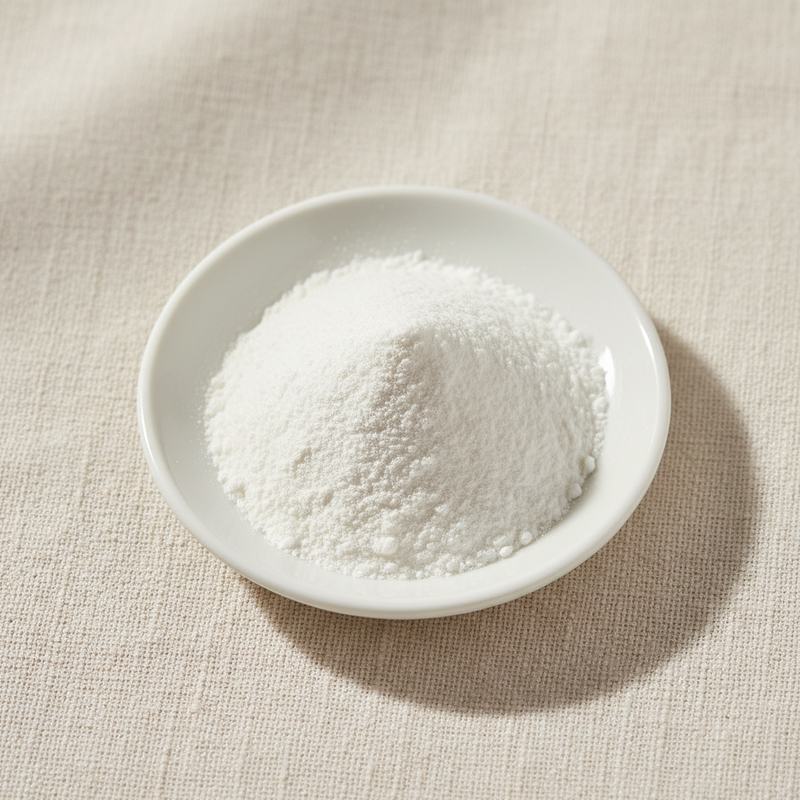
Natural vs Synthetic Vitamin E (d-alpha vs dl-alpha-tocopherol): Bioavailability, Cost, Labeling
Vitamin E is the textbook case where natural and synthetic are genuinely different molecules, not marketing spin. The difference is stereochemistry, and it changes potency, price, and labeling. If you produce supplements, fortified food, or nutricosmetics, this one is worth getting precise.
Here is the data, the mechanism, the nutrient-versus-antioxidant split, and how to choose.
The data table
| Property | Natural (d-alpha) | Synthetic (dl-alpha) | Mixed tocopherols |
|---|---|---|---|
| Identity | RRR-alpha-tocopherol (1 isomer) | all-rac (8 isomers) | alpha, beta, gamma, delta blend |
| Source | Vegetable oil distillate | Chemical synthesis | Vegetable oil (natural) |
| Potency (IU/mg) | ~1.49 IU/mg | ~1.0 IU/mg | n/a (antioxidant use) |
| Relative bioavailability | Higher per mg | Lower (only 2R isomers count) | n/a |
| Primary role | Vitamin nutrition | Vitamin nutrition | Antioxidant for oils and fats |
| "Natural" claim | Yes (d- only) | No | Yes |
| Relative cost (per mg) | Higher | Lower | Varies |
Mechanism: why the molecules differ in the body
The stereochemistry. Alpha-tocopherol has three chiral centers. Natural vitamin E is a single stereoisomer, RRR-alpha-tocopherol, the form the body evolved to use. Synthetic "dl" (all-rac) is a mixture of all eight possible stereoisomers, only one of which is the natural RRR form.
Why natural is more bioavailable. The liver has a tocopherol transfer protein that preferentially binds the RRR configuration (and, partially, the other "2R" isomers), and discards the rest. Natural vitamin E is all RRR, so nearly all of it is retained and circulated. Synthetic is only one-eighth RRR (about half is 2R overall), so a smaller fraction is usable. This is the basis of the potency ratio.
The IU and labeling conversion. By the historical IU definition, natural d-alpha is about 1.49 IU/mg and synthetic dl-alpha about 1.0 IU/mg, so natural is roughly 1.36 to 1.5 times more potent per mg. Modern (mg alpha-tocopherol) labeling discounts synthetic further, counting only the 2R isomers, so synthetic delivers about half the usable alpha-tocopherol per mg under current US rules. Get the conversion right or you will under- or over-formulate to label.
Nutrient vs antioxidant: two different jobs
Separate the use cases. For vitamin E nutrition, use alpha-tocopherol or its stable esters (acetate, succinate), natural or synthetic. For protecting oils and fats from oxidation, use Mixed Tocopherols or Mixed Tocopherols Concentrate, where gamma- and delta-tocopherol are actually the more effective antioxidants. Buying high-potency alpha-tocopherol to protect a frying oil wastes money, and buying mixed tocopherols to make a vitamin claim misses the point.
Cost comparison done right
Synthetic dl-alpha is cheaper per mg, but natural is more potent per mg. Compare on cost per delivered IU or per mg of usable alpha-tocopherol, not per kg. Synthetic usually still wins on raw cost-per-IU. Natural wins where the "natural" claim commands a premium and where the highest bioavailability is wanted.
Choose by what you produce
- If you produce premium supplements with a natural claim, natural d-alpha (Natural Vitamin E) for the claim and bioavailability.
- If you produce standard fortified food at lowest cost, synthetic dl-alpha (Vitamin E acetate), with the correct IU conversion.
- If you produce oils, fats, or products that need oxidation protection, Mixed Tocopherols, not high-alpha grades.
- If your finished products carry allergen or non-GMO claims, confirm the source (natural E is often soy-derived).
We supply natural and synthetic Vitamin E, Natural Vitamin E, Vitamin E Powder, and Mixed Tocopherols / Mixed Tocopherols Concentrate in bulk with documentation. Tell us whether you need the vitamin claim or antioxidant function, your label market, and your cost target, and we will quote the right form per delivered potency.