Description
An extract from the dried leaves of Ilex paraguariensis (yerba mate, mate), a South American evergreen tree whose leaves are traditionally consumed as a stimulant beverage in Argentina, Brazil, Uruguay, and Paraguay. Standardized to caffeine and total polyphenol content. The compound profile combines methylxanthines (caffeine, theobromine, theophylline) with chlorogenic acids and saponins.
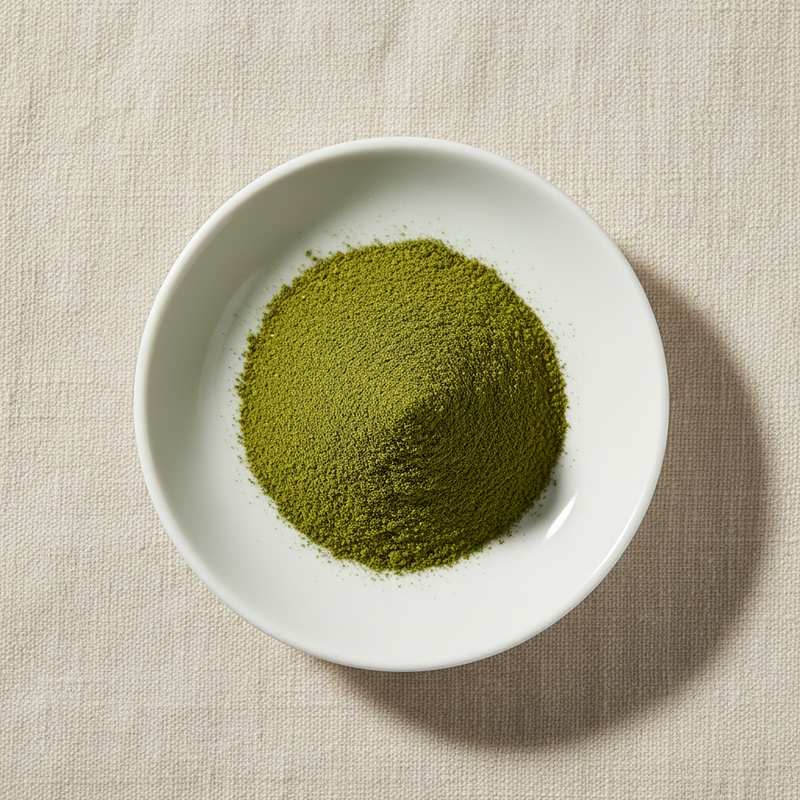
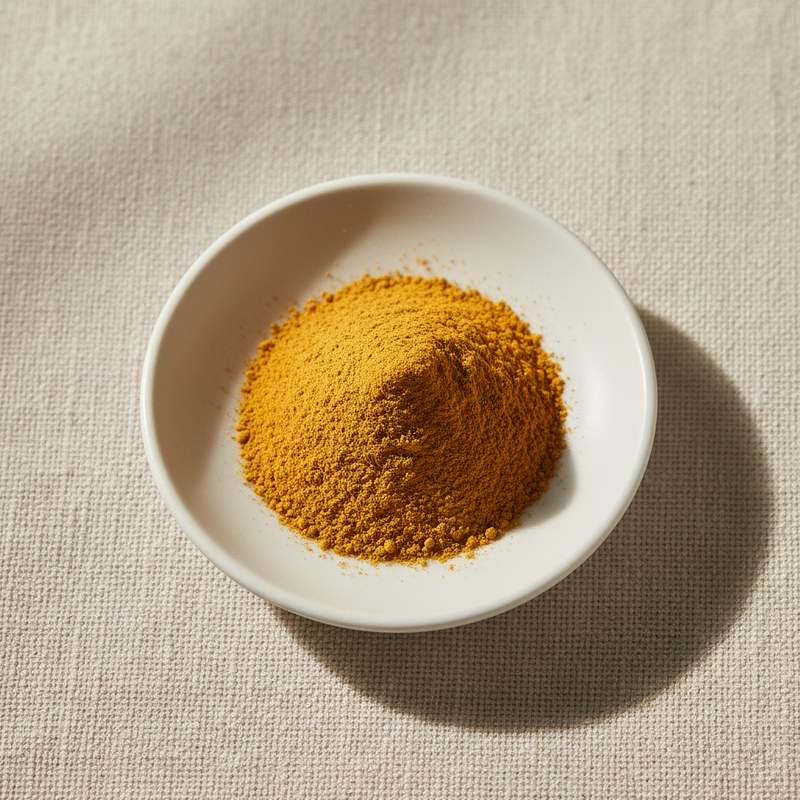
Green-brown to dark brown free-flowing powder. Distinctive grassy-smoky aroma. Highly water-soluble.
We supply food-grade Yerba Mate Extract from manufacturers in China holding ISO, Halal, Kosher and other certifications relevant to the product and production.
Common market grades include Yerba Mate 4:1 Powder (the beverage workhorse), 10:1 concentrate, Caffeine-Standardized 10 percent grade (the energy-supplement workhorse), Caffeine 20 percent grade, Polyphenols 40 percent grade, and dual Caffeine 10 percent plus Polyphenols 20 percent grade for combined-positioning applications.
Bulk and reduced-MOQ shipments. Batch-level COA covering caffeine content (HPLC), theobromine content, total polyphenols, chlorogenic acids, residual solvents, heavy metals, polycyclic aromatic hydrocarbons (relevant for smoke-dried material), and microbiology.
Introduction
Yerba mate (Ilex paraguariensis) is an evergreen tree native to subtropical South America. The dried leaves are traditionally prepared as a hot tea-like infusion consumed through a metal straw (bombilla) from a hollow gourd; the drink is the national beverage of Argentina, Uruguay, and Paraguay.
The compound profile combines methylxanthine stimulants (caffeine 1 to 2 percent of dry leaf, plus theobromine and small amounts of theophylline), chlorogenic acid polyphenols (similar profile to green coffee bean extract id 8393), and saponin glycosides (the matesaponins).
Industrial production proceeds by hot-water and hydroalcoholic extraction of dried yerba mate leaf, followed by concentration and spray-drying. Caffeine-standardized grades require selection and additional standardization.
Recognized as a permitted food ingredient in essentially all jurisdictions and a well-established traditional food in South America.
Strategic positioning has grown substantially since the 2000s in natural-energy and functional-beverage applications, where yerba mate-based products compete with synthetic-caffeine energy drinks on natural-positioning value. Secondary applications include weight-management and cognitive-support supplements.
Where it is used
- Energy and pre-workout supplements: natural-positioning caffeine alternative to synthetic caffeine
- Weight-management and thermogenic supplement formulations
- Functional beverages: yerba mate-based energy drinks and wellness drinks (a substantial growth category)
- Premium sports nutrition products
- Natural caffeine source for clean-label fortification
- Cognitive-support and focus-positioned supplements
- Traditional South American mate-based food and beverage applications
Technical data
| Item | Specification |
|---|---|
| Appearance | Green-brown to dark brown free-flowing powder |
| Caffeine content (HPLC) | 10% / 20% (caffeine-standardized grades) |
| Total polyphenols | 20% / 40% (polyphenol-standardized grades) |
| Theobromine | ≥ 0.3% |
| Loss on drying | ≤ 5.0% |
| Heavy metals (as Pb) | ≤ 2 mg/kg |
| Total plate count | ≤ 1000 cfu/g |
| Source | Ilex paraguariensis dried leaf (South American origin) |
Related ingredients
Ready to discuss business?
Send us your spec and requirement. We will respond with availability and pricing within 24 hours.