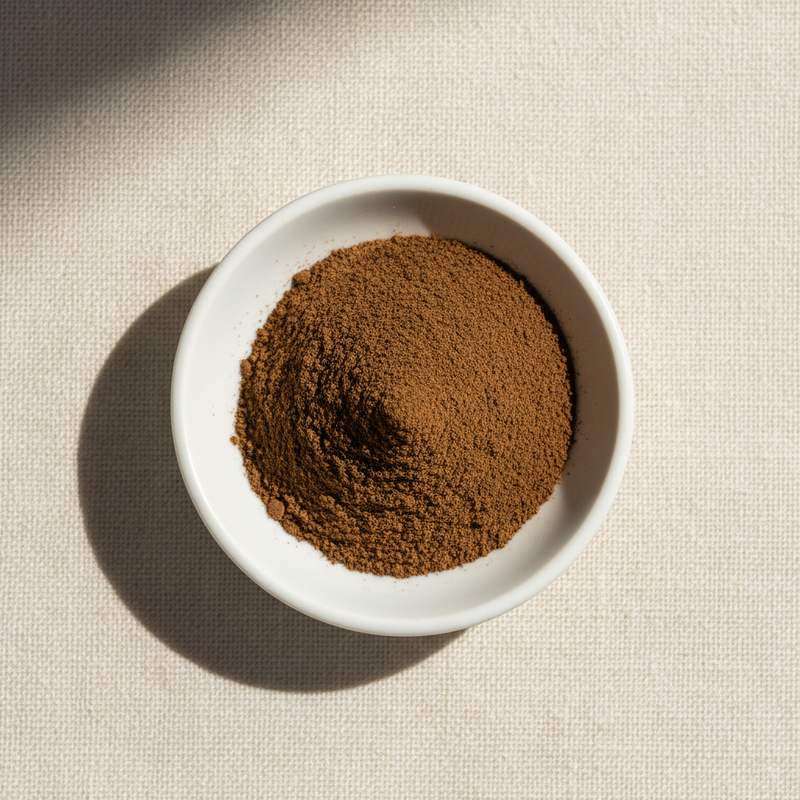
Description
An extract from unroasted green coffee beans (Coffea arabica or Coffea robusta), standardized to chlorogenic acid content. Used in weight-management dietary supplements and as a polyphenolic antioxidant in functional food and beverage applications.
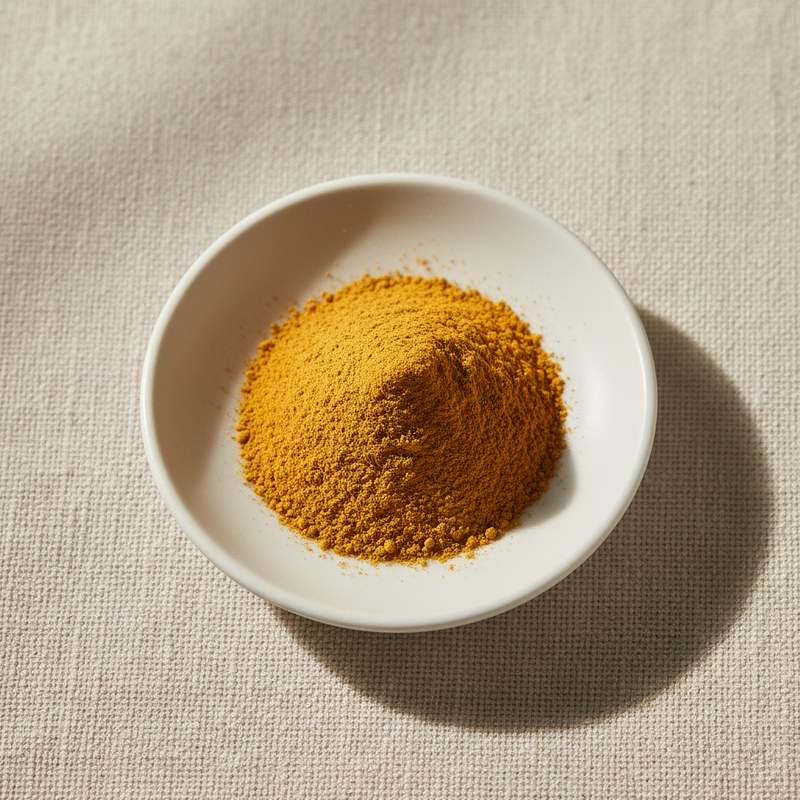
Yellow-brown to brown free-flowing powder. The defining compound is chlorogenic acid, which is preserved in the unroasted bean but largely destroyed during conventional coffee roasting.
We supply food-grade Green Coffee Bean Extract from manufacturers in China holding ISO, Halal, Kosher and other certifications relevant to the product and production.
Common market grades include 45 percent Chlorogenic Acid (the supplement workhorse), 50 percent Chlorogenic Acid, and 70 percent Chlorogenic Acid (premium grade). Decaffeinated variants are available where the natural caffeine content (typically 5 to 12 percent) is undesirable.
Bulk and reduced-MOQ shipments. Batch-level COA covering total chlorogenic acids (HPLC), caffeine content, residual solvents, heavy metals, pesticides, and microbiology.
Introduction
Green Coffee Bean Extract reached commercial prominence in the early 2010s following clinical research suggesting that chlorogenic acid affects glucose absorption and energy metabolism. The compound emerged as a leading weight-management supplement ingredient through aggressive consumer marketing and television promotion.
Industrial production proceeds by hot-water or hydroalcoholic extraction of unroasted green coffee beans, followed by purification, decolorization, and spray-drying. The unroasted bean preserves chlorogenic acid at 5 to 10 percent of dry weight; roasting reduces this to under 1 percent.
Recognized as a permitted food ingredient in most jurisdictions; classified as a Novel Food in the EU with specific approvals.
Clinical evidence for weight-management claims in healthy non-deficient individuals remains debated, with some studies showing modest effects on glucose metabolism and others showing no meaningful weight-loss benefit. Consumer demand has nonetheless supported substantial market growth.
Strategic positioning is dominated by weight-management dietary supplements, with secondary uses in functional beverages and cosmetic applications.
Where it is used
- Weight-management dietary supplements (the dominant commercial application)
- Pre-workout and energy supplements (where natural caffeine content matters)
- Functional beverages: weight-management drinks and energy shots
- Cosmetic skincare: antioxidant and slimming positioning
- Decaffeinated grades for caffeine-free antioxidant supplements
- Premium fortified foods and nutritional bars
- Sports nutrition products positioned for fat-burning
Technical data
| Item | Specification |
|---|---|
| Appearance | Yellow-brown to brown free-flowing powder |
| Total chlorogenic acids (HPLC) | 45% / 50% / 70% (grade dependent) |
| Caffeine content | 5% to 12% (standard) / ≤ 0.5% (decaf) |
| Loss on drying | ≤ 5.0% |
| Residue on ignition | ≤ 5.0% |
| Heavy metals (as Pb) | ≤ 2 mg/kg |
| Total plate count | ≤ 1000 cfu/g |
| Source | Coffea arabica or Coffea robusta unroasted beans |
Related ingredients
Ready to discuss business?
Send us your spec and requirement. We will respond with availability and pricing within 24 hours.