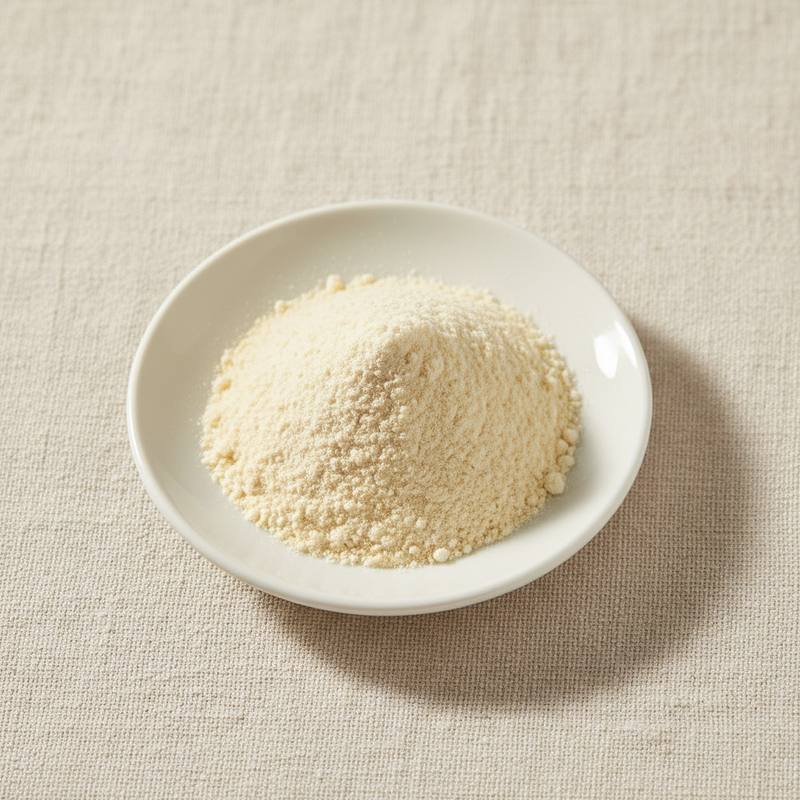
Description
Vital Wheat Gluten is the dried, undenatured protein fraction of wheat flour, recovered by water-washing of wheat starch and dried under conditions that preserve gluten's viscoelastic functionality. Minimum 75 percent protein on a dry basis.
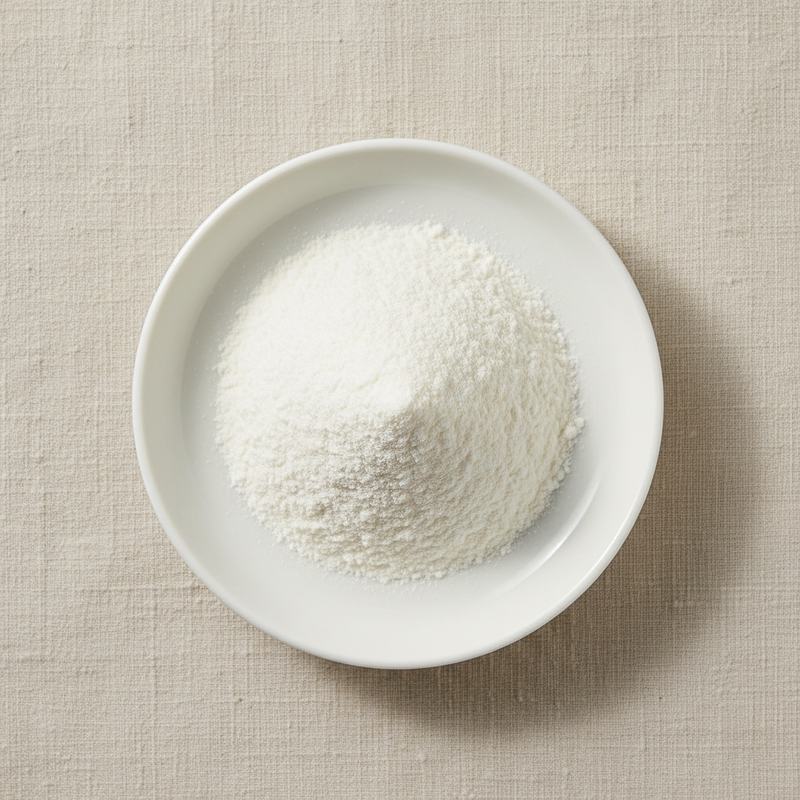
Protein content of 75 to 80 percent (Kjeldahl, N x 5.7 for wheat) is the defining commercial specification. Light cream to tan free-flowing powder. The defining commercial property is not just protein content but vitality, the protein's retained capacity to form a viscoelastic gluten network on rehydration.
The amino acid profile is glutamine-rich and proline-rich, low in lysine and threonine. PDCAAS standalone is low (approximately 0.25), and the product is positioned as a functional protein rather than a nutritional protein. It is also the structural foundation of seitan, a traditional plant-based protein food.
We supply food-grade Vital Wheat Gluten from manufacturers in China holding ISO, HACCP, Halal, Kosher, non-GMO and other certifications relevant to the product and production.
Common market grades include standard bakery-grade 75 percent (the dominant grade for bread fortification), premium 80 percent for high-performance baking, seitan-grade with controlled gas-holding properties, and texturized wheat protein for meat-analog applications. Bulk and reduced-MOQ shipments. Batch-level COA covering protein, moisture, fat, ash, gluten vitality, and microbiology.
Introduction
Wheat gluten has been isolated by water-washing of dough for at least 1,500 years, originally documented in 6th-century Chinese cuisine where it forms the basis of Buddhist vegetarian cooking traditions. Industrial production of dried Vital Wheat Gluten as an ingredient became commercially significant in the 20th century, scaling with the development of fortified bread and meat-analog markets.
Manufacturing begins with high-protein wheat flour (12 to 14 percent protein). The flour is hydrated to form a dough, then washed with excess water in continuous decanters and centrifuges to separate the starch fraction. The gluten fraction is recovered as a hydrated mass, then carefully flash-dried at temperatures that preserve gluten functionality. The dried gluten is then milled to specification.
Recognized as a permitted food ingredient by the U.S. FDA, regulated under EU food law, and listed as one of the 14 EU declarable allergens (cereals containing gluten). Labeling is mandatory in all major markets for finished products containing wheat or gluten ingredients.
Amino acid quality positioning: Vital Wheat Gluten is sold for functionality, not for protein quality. The viscoelastic network it forms on rehydration is unmatched by any other commercial protein and underpins both modern bread fortification and the entire seitan and wheat-based meat-analog category.
Strategic positioning: Vital Wheat Gluten is the single most important functional protein ingredient in global baking, and a strategically essential structural component in plant-based meat manufacturing, where it provides the fibrous, chewy texture that pea and soy proteins alone cannot deliver.
Where it is used
- Bread and bakery: dough strengthening, gas retention, and crumb structure in high-fiber, whole-grain, and frozen-dough applications
- Seitan and traditional wheat-protein meat alternatives
- Plant-based meat analogs: burgers, sausages, and chicken-style products (often blended with soy or pea protein)
- High-protein pasta and noodles
- Breakfast cereals and high-protein extruded snacks
- Pet food: dry kibble binder and protein source
- Aquaculture feed (binder and protein component)
- Cheese analogs and processed cheese textures
Technical data
| Item | Specification |
|---|---|
| Appearance | Light cream to tan free-flowing powder |
| Protein content (Kjeldahl, N x 5.7, dry basis) | ≥ 75.0% |
| Moisture | ≤ 8.0% |
| Fat | ≤ 2.0% |
| Ash | ≤ 1.5% |
| Wet gluten (vitality test) | ≥ 170% absorption |
| Particle size | 95% through 80 mesh, or per customer specification |
| Lead (Pb) | ≤ 0.5 mg/kg |
| Arsenic (As) | ≤ 0.5 mg/kg |
| Total plate count | ≤ 30,000 CFU/g |
| Salmonella | Absent in 25 g |
| Allergen statement | Contains wheat and gluten. |
| Source | Common wheat (Triticum aestivum), non-GMO |
Related ingredients
Ready to discuss business?
Send us your spec and requirement. We will respond with availability and pricing within 24 hours.