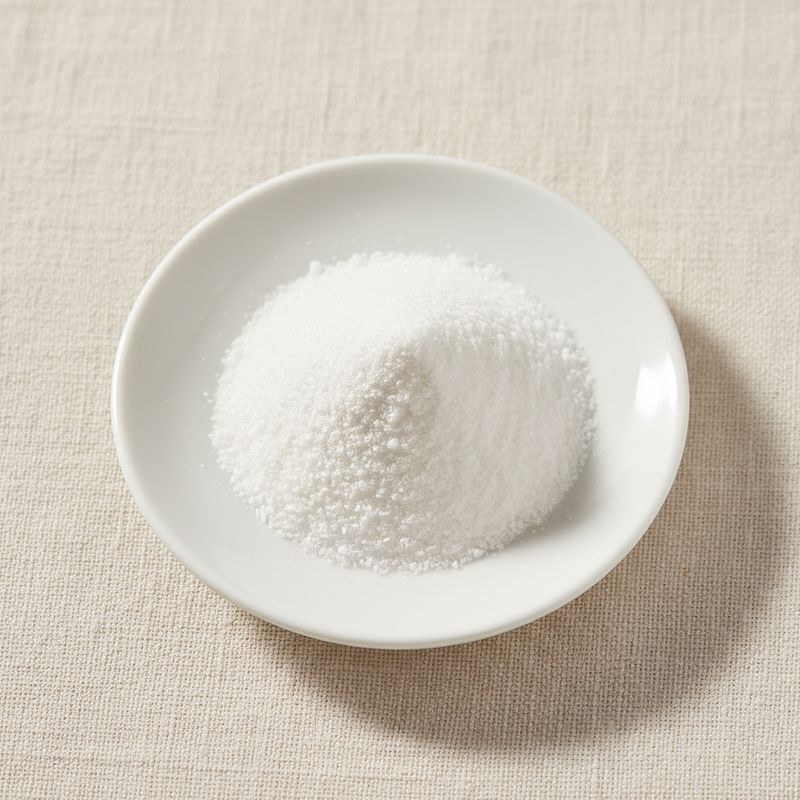
Description
The anhydrous crystalline form of trisodium citrate, preferred for dry-blend applications where moisture sensitivity matters: effervescent tablets, instant beverage powders, and pharmaceutical formulations where the bound water of the dihydrate would compromise stability.
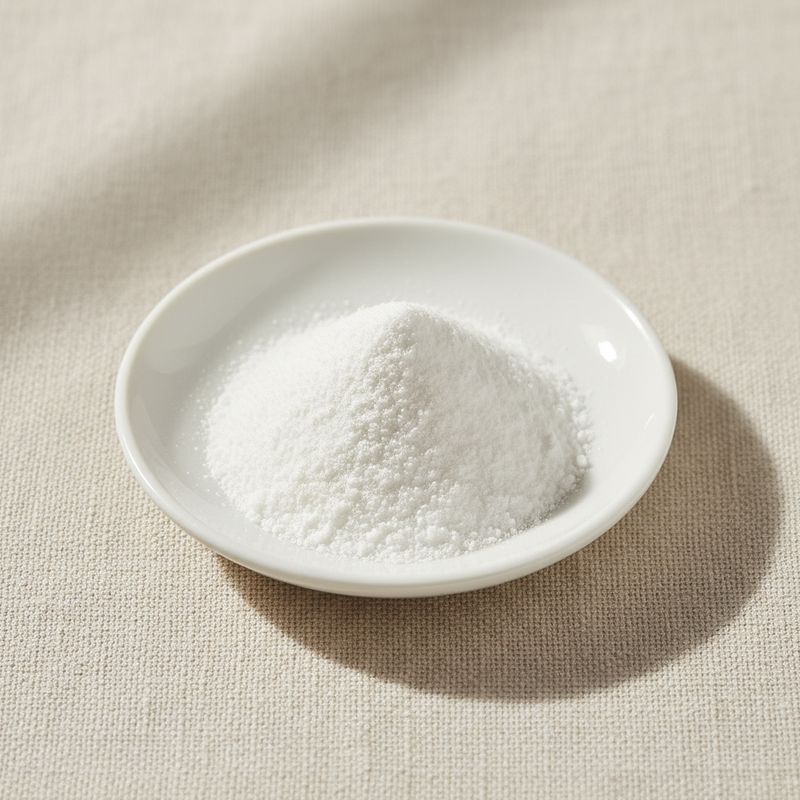
White crystalline powder. Freely soluble in water, practically insoluble in ethanol. Less hygroscopic than the dihydrate form under normal storage conditions.
We supply food-grade and pharmaceutical-grade Trisodium Citrate Anhydrous from manufacturers in China holding ISO, Halal, Kosher and other certifications relevant to the product and production.
Common market grades include Standard Food Grade (FCC compliant), Pharmaceutical Grade meeting BP/USP/EP specifications, and Specialty Granular Grade for direct-compression effervescent tablet manufacturing.
Bulk and reduced-MOQ shipments. Batch-level COA covering assay, water content, alkalinity, heavy metals, and microbiology.
Introduction
Trisodium Citrate Anhydrous is produced by neutralizing citric acid with sodium hydroxide or sodium carbonate, then crystallizing above 150 °C to drive off the water of hydration that would otherwise form the dihydrate.
The anhydrous form is functionally equivalent to the dihydrate once dissolved in water, with the only practical difference being the bound water content (zero in anhydrous, approximately 12.2 percent in dihydrate).
Regulated as E331(iii) in the EU, classified as Generally Recognized as Safe by the U.S. FDA, listed in BP, USP, and EP pharmacopoeias, and approved by JECFA without a numerical Acceptable Daily Intake limit.
The choice between anhydrous and dihydrate in finished-product formulation is driven by water-activity and dry-blend stability considerations. Dry-mix products including effervescent tablets, instant beverage powders, and pharmaceutical tablets prefer the anhydrous form because the bound water of the dihydrate can migrate during storage, causing premature reaction with co-formulated citric acid or other reactive ingredients.
In effervescent tablet formulations the compound is paired with citric acid and sodium bicarbonate to produce the carbon-dioxide release on dissolution that defines the format. The reaction must remain dormant until water is added, which requires that all components be in dry anhydrous form.
Where it is used
- Effervescent tablets and powders where the citric-acid plus bicarbonate reaction must remain dormant until water is added
- Instant beverage powders and powdered drink mixes
- Powdered processed-cheese pre-blends and instant cheese-sauce mixes
- Powdered electrolyte and oral rehydration formulas
- Pharmaceutical tablet and capsule formulations
- Dry sausage and meat-cure pre-blends
- Bakery dry mixes including pancake and muffin mixes
- Dialysis powder concentrates
- Industrial water-treatment and detergent applications
Technical data
| Item | Specification |
|---|---|
| Appearance | White crystalline powder |
| Assay (dry basis) | 99.0% to 100.5% |
| Loss on drying | ≤ 1.0% |
| pH (5% solution) | 7.5 to 9.0 |
| Alkalinity | Passes test |
| Tartrate and oxalate | Passes test |
| Heavy metals (as Pb) | ≤ 5 mg/kg |
| Arsenic | ≤ 3 mg/kg |
| Lead | ≤ 2 mg/kg |
Related ingredients
Ready to discuss business?
Send us your spec and requirement. We will respond with availability and pricing within 24 hours.