Description
The sodium salt of gluconic acid, a multi-functional chelating agent, sequestrant, and pH buffer with broad applicability across food, pharmaceutical, construction, and industrial cleaning. Among the most powerful chelators of calcium, iron, copper, and aluminum ions across a wide pH range.
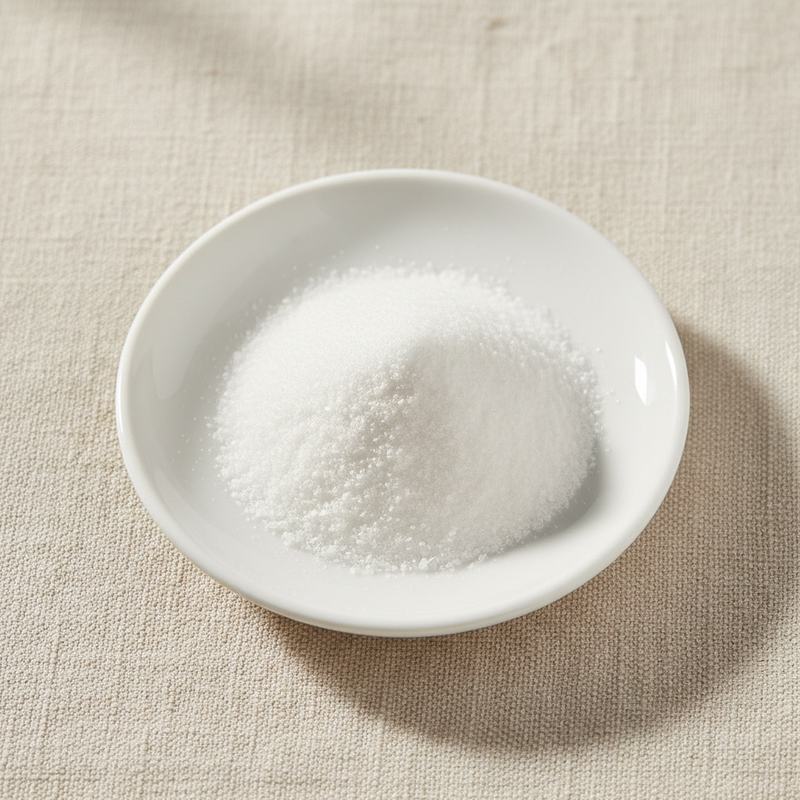
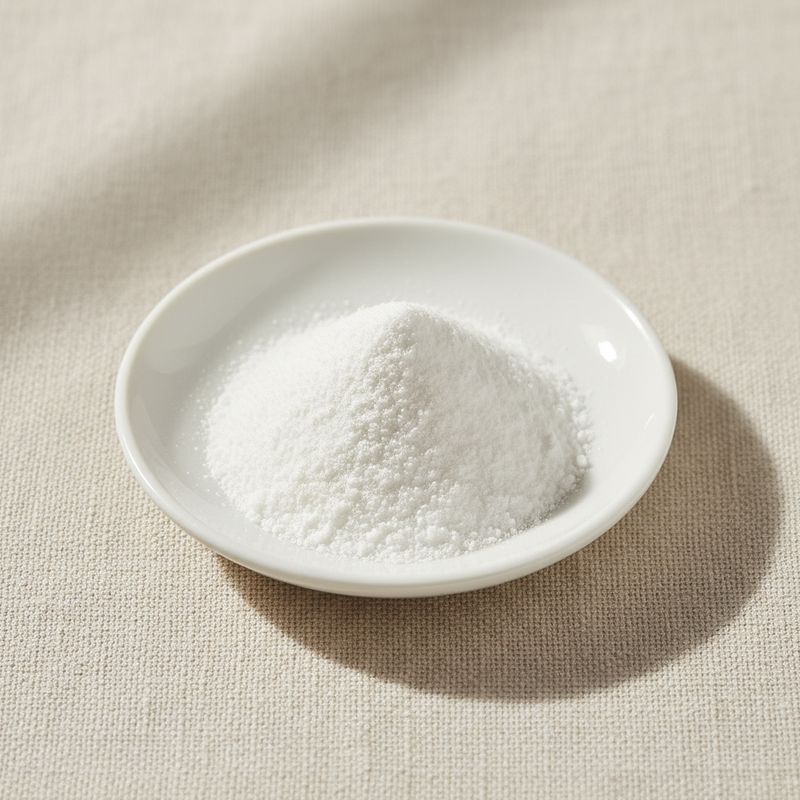
White to yellowish granular crystalline powder. Freely soluble in water, slightly soluble in ethanol. Stable across a broad temperature and pH range.
We supply food-grade, pharmaceutical-grade, and industrial-grade Sodium Gluconate from manufacturers in China holding ISO, Halal, Kosher and other certifications relevant to the product and production.
Common market grades include Standard Food Grade (FCC compliant), Pharmaceutical Grade meeting USP/EP specifications, Construction Grade for use as a concrete retarder and water-reducer, and Industrial Cleaning Grade for bottle washing and metal-surface treatment.
Bulk and reduced-MOQ shipments. Batch-level COA covering assay, reducing substances, heavy metals, chloride, sulphate, and microbiology.
Introduction
Sodium Gluconate is produced industrially by neutralizing gluconic acid with sodium hydroxide, with the gluconic acid itself produced by aerobic fermentation of glucose using Aspergillus niger or by catalytic oxidation of glucose. Fermentation production is the dominant commercial route.
The compound's defining property is its powerful chelating action across a wide pH range: it binds calcium, iron, copper, and aluminum ions strongly in both acidic and alkaline conditions. This is unusual among food-approved chelators, most of which function only within a narrow pH window.
Regulated as E576 in the EU, classified as Generally Recognized as Safe by the U.S. FDA, listed in USP and EP pharmacopoeias, and approved by JECFA without a numerical Acceptable Daily Intake limit.
In food applications the compound is used at modest doses (typically below 0.5 percent) as a sequestrant to prevent calcium precipitation in dairy beverages, iron-catalyzed oxidation in fruit products, and copper-catalyzed off-flavor development in beer and wine. The molecule is metabolized harmlessly by the body and contributes no significant calories or sodium beyond its stoichiometric content.
The dominant industrial application is in construction as a concrete retarder. Sodium gluconate chelates the calcium ions released during early cement hydration, slowing the setting reaction and allowing longer working times in hot-weather concreting. It also acts as a high-range water-reducer, allowing lower water-to-cement ratios that produce stronger finished concrete.
Where it is used
- Beverages and dairy products as a calcium and iron sequestrant to prevent precipitation and off-flavors
- Cheese manufacturing as a calcium chelator and emulsifier-salt synergist
- Cured meats and processed meat products as a sequestrant and pH buffer
- Pharmaceutical applications as a chelating agent and tablet excipient
- Construction industry as a concrete set retarder and high-range water-reducer; the dominant non-chloride retarder for hot-weather concreting
- Bottle and container washing in the beverage industry; sequesters scale-forming ions in alkaline cleaning solutions
- Metal surface treatment and rust removal in alkaline-cleaning systems
- Textile dyeing and printing as a sequestrant
- Electroplating bath stabilizer
- Detergents and industrial cleaning formulations
Technical data
| Item | Specification |
|---|---|
| Appearance | White to yellowish granular crystalline powder |
| Assay (dry basis) | 98.0% to 102.0% |
| Loss on drying | ≤ 1.0% |
| pH (10% solution) | 6.5 to 7.5 |
| Reducing substances | ≤ 0.5% |
| Chloride | ≤ 500 mg/kg |
| Sulphate | ≤ 500 mg/kg |
| Heavy metals (as Pb) | ≤ 10 mg/kg |
| Arsenic | ≤ 3 mg/kg |
Related ingredients
Ready to discuss business?
Send us your spec and requirement. We will respond with availability and pricing within 24 hours.