Description
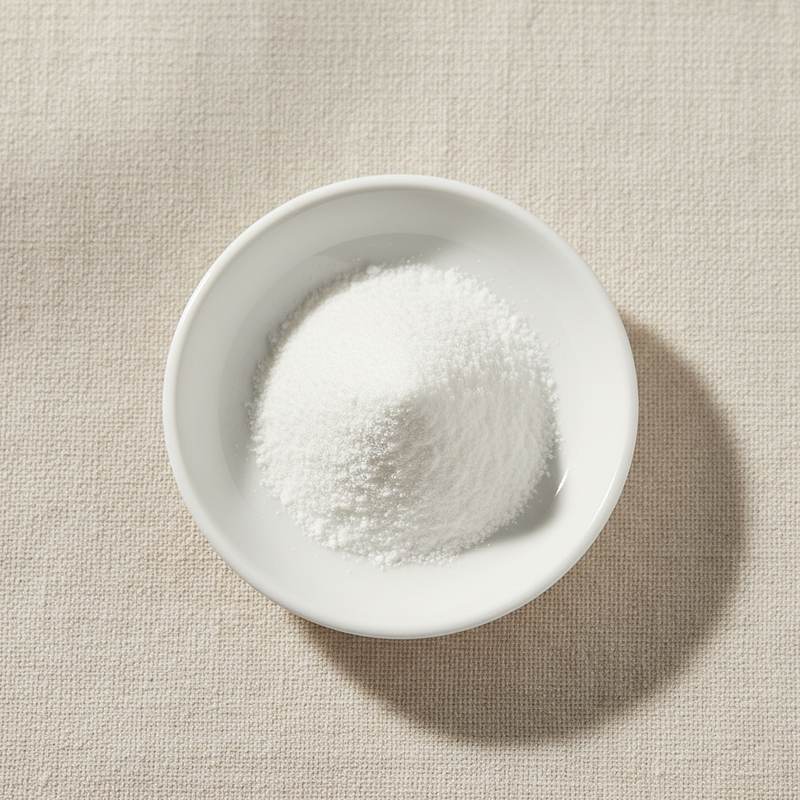
The synthetic racemic mixture of D-Tartaric and L-Tartaric Acid, providing the same acidulant function as natural L(+)-Tartaric Acid at lower cost. Sharp, clean tartness comparable to citric acid but with a longer-lasting flavor profile.
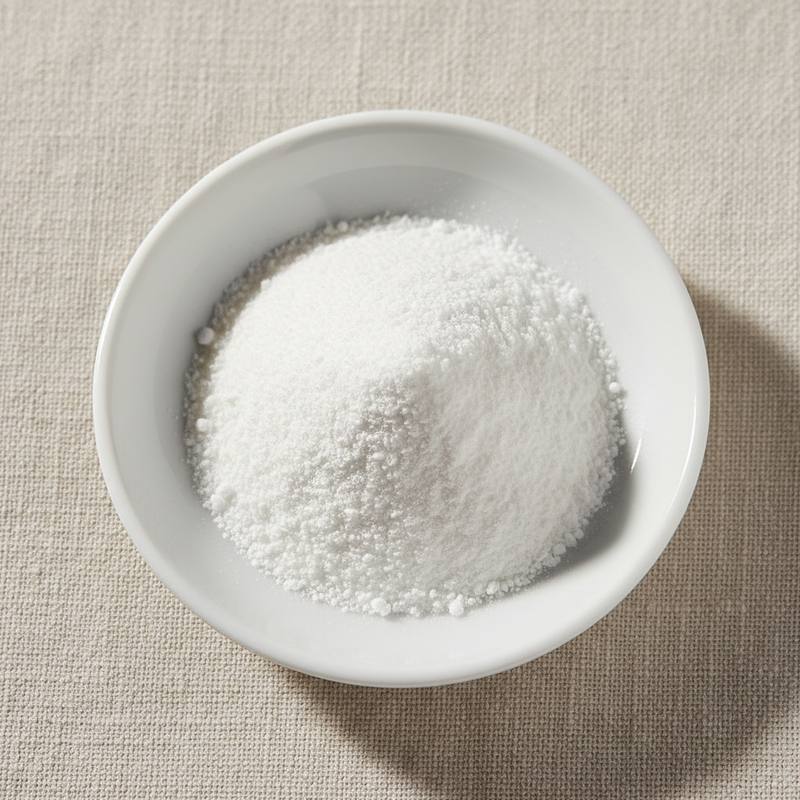
White powder. Used wherever the natural-source claim of L(+)-Tartaric Acid is not required and cost optimization matters, particularly in confectionery and bakery applications.
We supply food-grade DL-Tartaric Acid from manufacturers in China holding ISO, Halal, Kosher and other certifications relevant to the product and production.
Common market grades include Standard Food Grade (FCC and BP compliant), Pharmaceutical Grade for cleaning and chelation applications, and Industrial Grade for metal-finishing and chemical-synthesis use.
Bulk and reduced-MOQ shipments. Batch-level COA covering purity, specific rotation, residue on ignition, heavy metals, and microbiology.
Introduction
Tartaric Acid was first isolated by the Persian alchemist Jabir ibn Hayyan around 800 AD from wine deposits. The DL-racemic form was historically synthesized by Louis Pasteur in his foundational stereochemistry experiments of the 1840s.
Modern industrial production of DL-Tartaric Acid proceeds by chemical synthesis from maleic anhydride through epoxidation and hydrolysis, yielding the racemic mixture rather than the natural L(+) enantiomer. Synthetic production is significantly cheaper than natural extraction from wine deposits.
Regulated as E334 in the EU (covering both DL and L(+) forms), classified as safe by the U.S. FDA for the L(+) form, and approved by JECFA. EU regulations restrict DL-Tartaric Acid in some food applications to natural L(+) only; product use must be checked against the target market regulation.
The molecule contributes a sharp tart taste comparable to citric acid but with a longer flavor curve and greater sourness intensity at equivalent doses. This makes it the preferred acidulant for sour confectionery, where the prolonged sourness is a desired sensory feature.
The principal regulatory consideration is that some markets accept only the natural L(+) form for direct food use; cosmetic, pharmaceutical, and industrial applications generally accept the DL form without restriction.
Where it is used
- Sour confectionery: hard candies, gummies, lollipops, and sour-coated candies
- Bakery products: leavening reactions in baking powders and bread improvers
- Wine and grape-juice acidification; the natural acid of wine
- Carbonated soft drinks and powdered beverage mixes
- Jams, fruit preserves, and fruit fillings
- Cream of tartar and baking-acid blend manufacturing
- Cheese manufacturing for emulsifier salt blends
- Pharmaceutical effervescent tablets and chewable preparations
- Industrial applications: metal cleaning, leather tanning, and silvering of mirrors
Technical data
| Item | Specification |
|---|---|
| Appearance | White powder |
| Purity (as C₄H₆O₆) | 99.5% to 100.5% |
| Specific rotation | −0.05° to +0.05° (racemic) |
| Loss on drying | ≤ 0.5% |
| Residue on ignition | ≤ 0.05% |
| Heavy metals (as Pb) | ≤ 10 mg/kg |
| Arsenic | ≤ 3 mg/kg |
| Particle size | Per customer specification |
Related ingredients
Ready to discuss business?
Send us your spec and requirement. We will respond with availability and pricing within 24 hours.