Description
The tri-sodium salt of citric acid, the most widely used citrate salt globally. Functions as a pH buffer, sequestrant, emulsifying salt, and anticoagulant across food, beverage, and pharmaceutical applications.
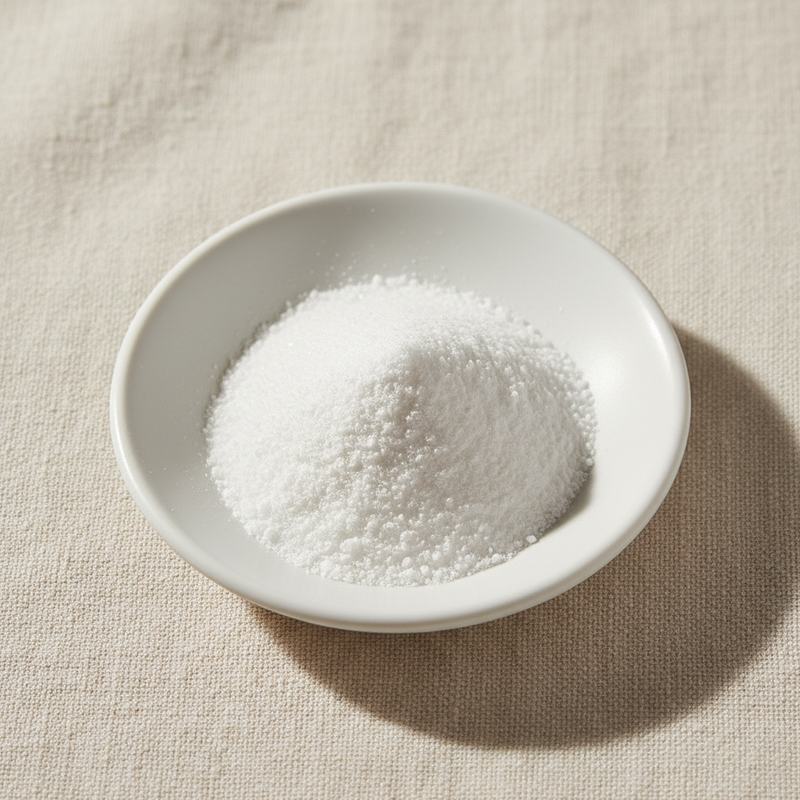
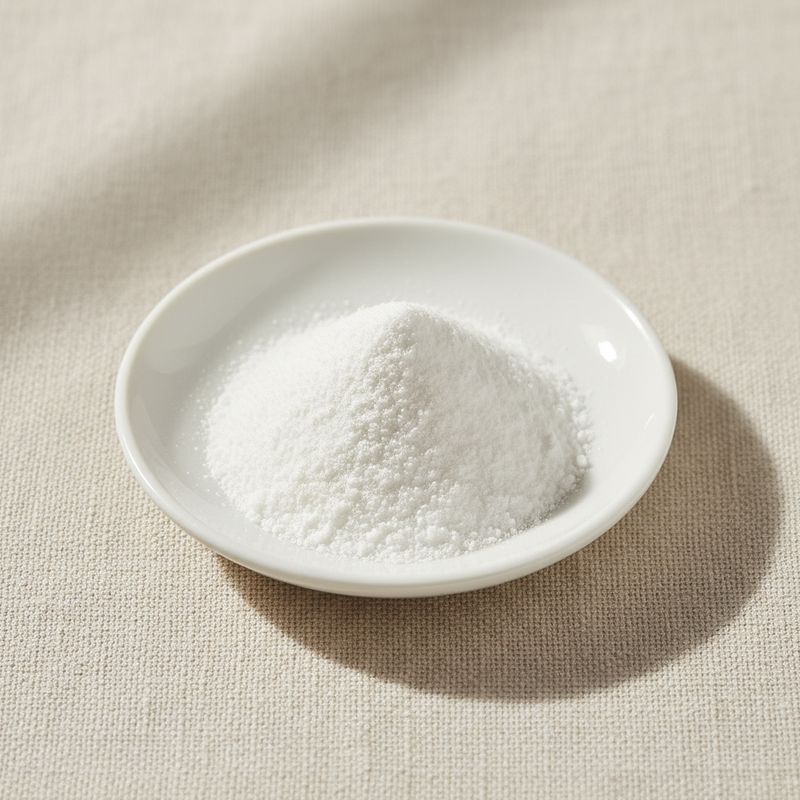
White crystalline powder or granules with a cooling, slightly saline taste. Freely soluble in water, practically insoluble in ethanol. Available in dihydrate (most common) and anhydrous forms.
We supply food-grade and pharmaceutical-grade Sodium Citrate from manufacturers in China holding ISO, Halal, Kosher and other certifications relevant to the product and production.
Common market grades include Standard Food Grade (FCC compliant), Pharmaceutical Grade meeting BP/USP/EP specifications, USP Anticoagulant Grade for blood collection tube use, and specialty mesh sizes from fine powder to coarse granules for direct-compression tablet manufacturing.
Bulk and reduced-MOQ shipments. Batch-level COA covering assay, water content, alkalinity, heavy metals, and microbiology.
Introduction
Sodium Citrate has been used in food and pharmaceutical applications since the late 19th century. The compound is produced industrially by neutralizing citric acid with sodium carbonate or sodium hydroxide, followed by crystallization to yield the dihydrate form (the most common commercial form).
The starting citric acid is produced by Aspergillus niger fermentation of glucose, sucrose, or molasses. Modern integrated plants produce both citric acid and sodium citrate from the same fermentation feedstock.
Regulated as E331(iii) in the EU, classified as Generally Recognized as Safe by the U.S. FDA, listed in BP, USP, and EP pharmacopoeias, and approved by JECFA without a numerical Acceptable Daily Intake limit.
The compound's dominant commercial application is as the emulsifying salt in processed cheese manufacturing. When heated with natural cheese, sodium citrate exchanges sodium for calcium bound to casein proteins, freeing the casein to form a stable emulsion with milk fat and water. Without this calcium-sequestration chemistry the smooth uniform texture of processed cheese, cheese sauces, and squeezable cheese products would not be achievable.
In pharmaceutical applications the compound is used as a buffer in oral rehydration salts, as an anticoagulant in blood collection tubes (binding the calcium required for the clotting cascade), and as a urinary alkalinizer for kidney stone prevention. Typical dosing in oral rehydration formulas is 2.9 grams sodium citrate per liter of reconstituted solution.
Where it is used
- Carbonated soft drinks and sports drinks as a pH buffer and electrolyte replacement source
- Processed cheese manufacturing as the dominant emulsifying salt; the salt that makes processed cheese 'process'
- Dairy products: cream, ice cream, and condensed milk as a stabilizer
- Confectionery and gelatin desserts as a pH buffer
- Jams, jellies, and fruit preserves for pH control
- Meat products: cured ham, sausage, and luncheon meat as a sequestrant
- Pharmaceutical effervescent tablets and oral rehydration solutions
- Blood collection tubes as an anticoagulant (USP grade)
- Detergents and cleaning products as a water softener and builder
Technical data
| Item | Specification |
|---|---|
| Appearance | White crystalline powder or granules |
| Assay (dry basis) | 99.0% to 101.0% |
| Water content (dihydrate) | 10.0% to 13.0% |
| pH (5% solution) | 7.5 to 9.0 |
| Alkalinity | Passes test |
| Tartrate and oxalate | Passes test |
| Heavy metals (as Pb) | ≤ 5 mg/kg |
| Arsenic | ≤ 3 mg/kg |
| Lead | ≤ 2 mg/kg |
Related ingredients
Ready to discuss business?
Send us your spec and requirement. We will respond with availability and pricing within 24 hours.