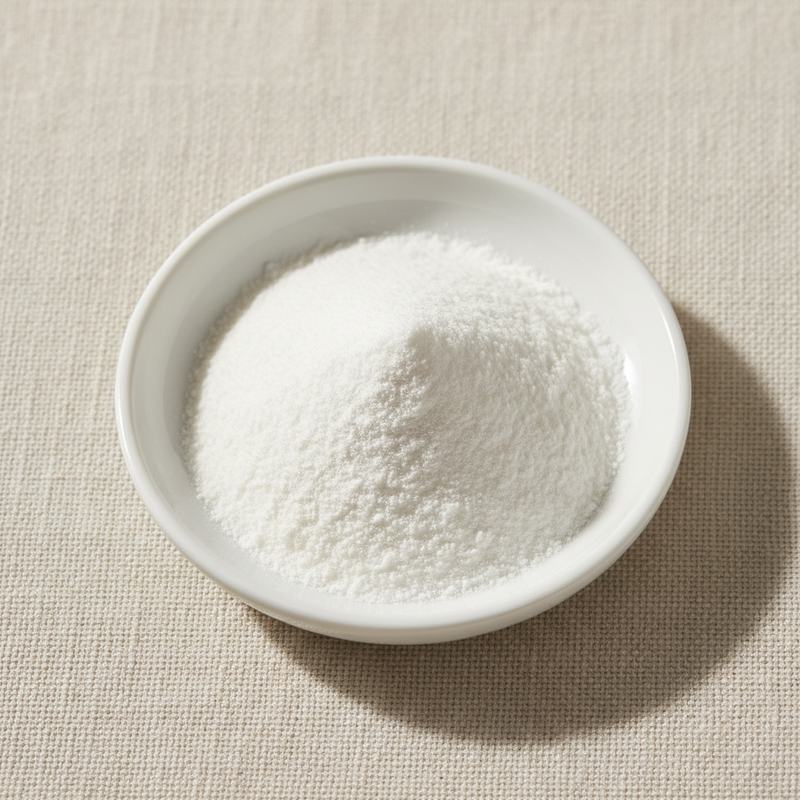
Description
Type 2 resistant starch produced from native high-amylose corn (typically 70 percent or higher amylose content). The granular crystalline structure resists enzymatic digestion in the small intestine and ferments in the colon.
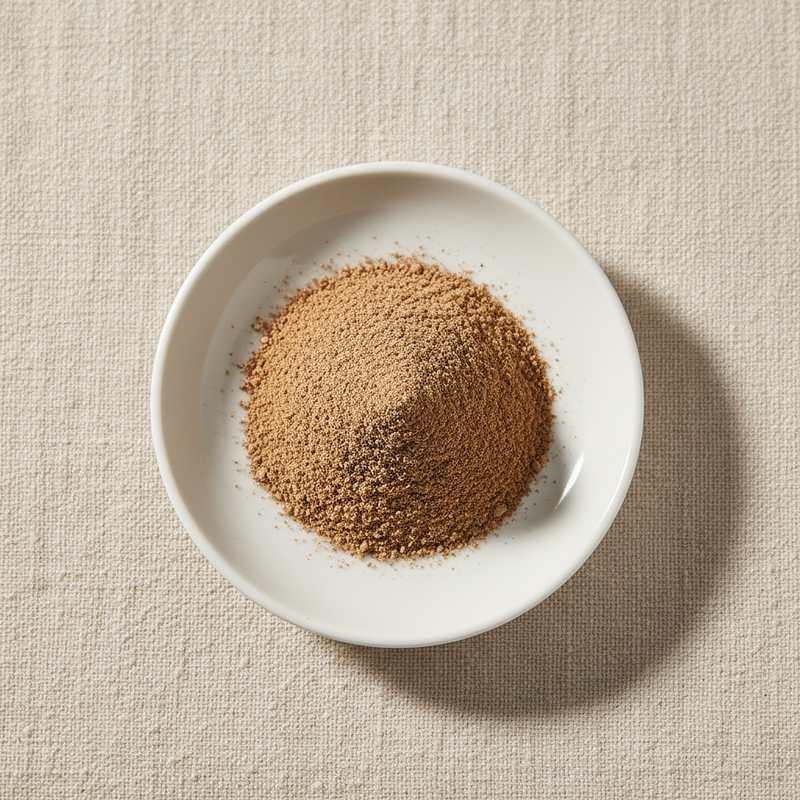
White to off-white free-flowing powder. Bland taste, neutral aroma. Total dietary fiber content of 60 percent or higher on a dry basis.
We supply food-grade Resistant Starch RS2 from manufacturers in China holding ISO, Halal, Kosher and other certifications relevant to the product and production. Produced from non-GMO high-amylose corn varieties.
Common market grades include standard RS2 60% fiber, premium RS2 70% fiber, and white-colored fine-mesh grades for clean-label applications.
Bulk and reduced-MOQ shipments. Batch-level COA covering total fiber, amylose content, moisture, heavy metals, and microbiology.
Introduction
Resistant starch is classified into four types: RS1 (physically inaccessible), RS2 (native granular high-amylose), RS3 (retrograded), and RS4 (chemically modified). RS2 is the most commercially significant in clean-label applications because it occurs naturally and requires no chemical modification declaration.
Native high-amylose corn varieties were developed through conventional plant breeding, with amylose content elevated from the standard 25 to 28 percent to 70 percent or higher. The granular structure of high-amylose starch is more crystalline and resists alpha-amylase access.
Clinical evidence supports glycemic-management, insulin-sensitivity, and butyrate-production benefits. Fermentation in the colon produces a butyrate-enriched short-chain fatty acid profile distinct from other prebiotics, with potential colorectal-health implications under continued study.
RS2 maintains its resistance through baking up to approximately 130 degrees Celsius but loses activity in retort and high-moisture processing, which is the principal formulation constraint.
Where it is used
- Clean-label fiber fortification of baked goods, breads, and tortillas
- Pasta and noodle fortification with low-glycemic positioning
- Breakfast cereals and granolas
- Functional bars and snacks
- Yogurts and dairy products
- Glycemic-management supplements
- Pet food fortification
- Co-formulation with prebiotics in microbiome supplements
Technical data
| Item | Specification |
|---|---|
| Appearance | White to off-white powder |
| Total dietary fiber (AOAC 2002.02) | ≥ 60.0% |
| Amylose content | ≥ 70.0% |
| Moisture | ≤ 12.0% |
| Protein | ≤ 0.5% |
| Ash | ≤ 0.3% |
| Heavy metals (as Pb) | ≤ 2 mg/kg |
| Arsenic | ≤ 1 mg/kg |
| Total plate count | ≤ 5000 cfu/g |
Related ingredients
Ready to discuss business?
Send us your spec and requirement. We will respond with availability and pricing within 24 hours.