Description
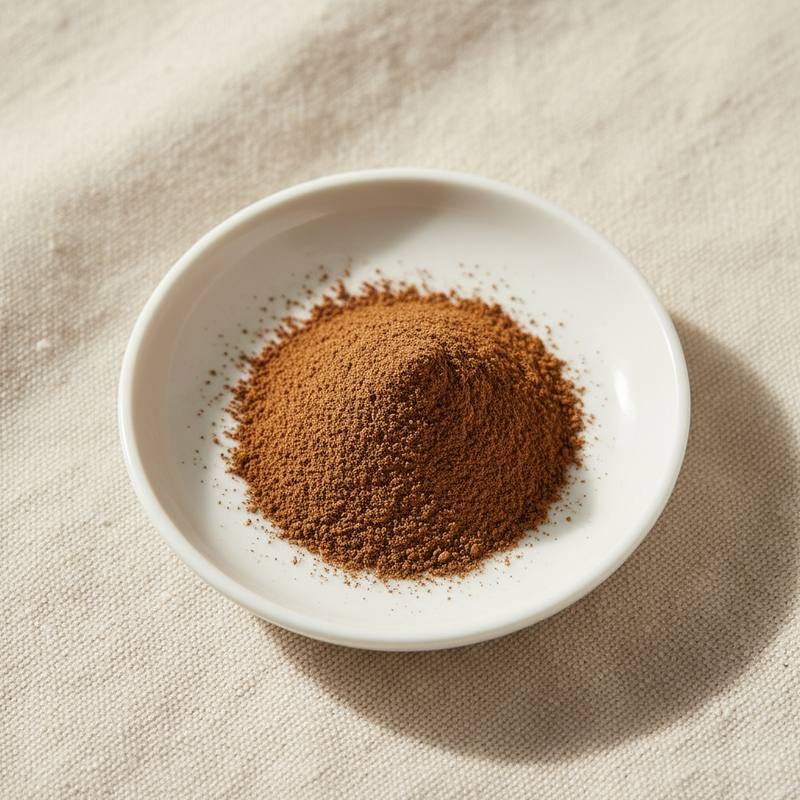
Spray-dried propolis extract standardized to total flavonoids, the industry marker for propolis potency. Produced by ethanol extraction of raw propolis followed by removal of wax and beeswax fractions and spray drying with or without a small carrier.
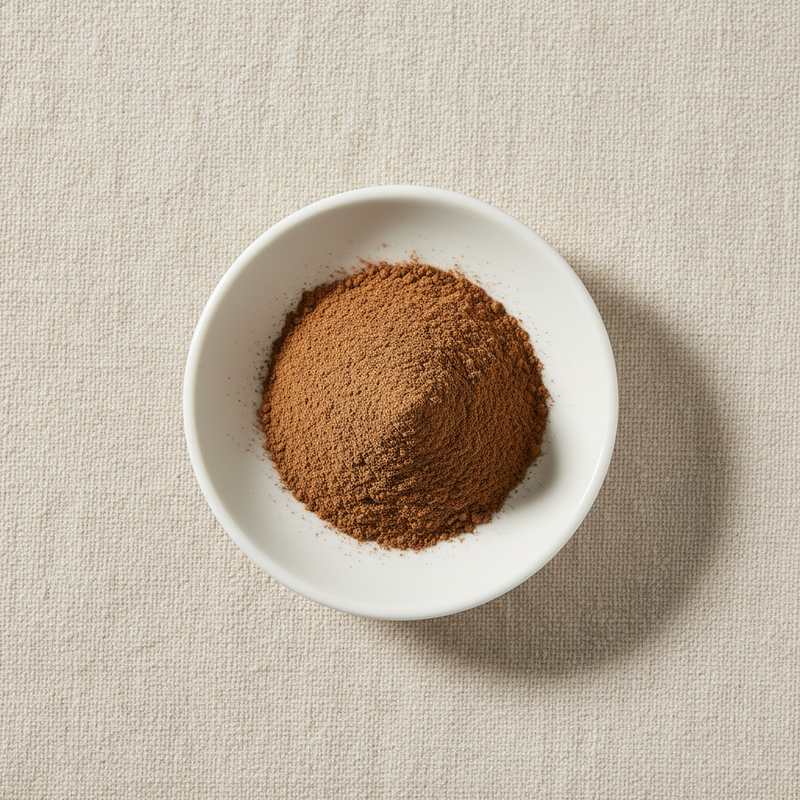
Light brown to dark brown free-flowing powder with characteristic resinous aroma. Soluble in alcohol and dispersible in water at limited concentration.
We supply Propolis Powder from manufacturers in China holding ISO, Halal, Kosher and other certifications relevant to the product and production. Brazilian, Chinese, and Eastern European propolis sources available on request, each with distinct flavonoid profiles.
Common market grades are differentiated by total flavonoid content: Standard (10% min flavonoids), Premium (15% min flavonoids), and High-Potency (25% min flavonoids). Decolorized water-soluble propolis powder is available for beverage applications.
Bulk and reduced-MOQ shipments. Batch-level COA covering total flavonoids, moisture, heavy metals, and microbiology.
Introduction
Propolis is a resinous substance collected by honeybees from tree buds and plant exudates, used in the hive as antimicrobial sealant and structural reinforcement. The composition reflects the local flora and varies significantly by geography: Brazilian green propolis is rich in artepillin C, while European poplar-derived propolis is dominated by flavonoids including pinocembrin and galangin.
Production begins with raw propolis scraped from hive interiors. The raw material is broken down, extracted with food-grade ethanol, filtered to remove wax and insoluble residue, and either concentrated to a tincture or spray-dried to a powder with or without a small carrier.
Regulated as a dietary supplement ingredient in the United States, EU, China, and other major jurisdictions. Traditional medicine status applies in numerous Asian and South American markets.
Propolis stands among the most widely used apiculture-derived nutraceuticals, with established antimicrobial, antioxidant, and immune-modulating activity in laboratory and clinical studies. Total flavonoid content is the standard commercial potency marker, supporting price differentiation between standard, premium, and high-potency grades.
Where it is used
- Dietary supplements in capsule, tablet, and lozenge formats
- Throat lozenges, cough syrups, and oral health products
- Toothpaste, mouthwash, and oral hygiene formulations
- Cosmetic skin care including creams, serums, and acne treatment products
- Functional beverages and immune-support products
- Traditional medicine and herbal formulations
- Veterinary and pet wellness products
- Premium honey-and-propolis health blends
Technical data
| Item | Specification |
|---|---|
| Appearance | Light to dark brown free-flowing powder |
| Total flavonoids | ≥ 10.0% to ≥ 25.0% per grade |
| Moisture | ≤ 6.0% |
| Ash | ≤ 5.0% |
| Heavy metals (as Pb) | ≤ 2 mg/kg |
| Arsenic | ≤ 1 mg/kg |
| Residual ethanol | ≤ 5,000 mg/kg |
| Total plate count | ≤ 1,000 CFU/g |
| Particle size | ≥ 95% through 80 mesh |
Related ingredients
Ready to discuss business?
Send us your spec and requirement. We will respond with availability and pricing within 24 hours.