Description
The hydrochloride salt form of poly-L-lysine. Salt formation substantially improves aqueous solubility and powder stability, reduces hygroscopicity, and provides a defined molecular weight profile suitable for pharmaceutical-grade applications.
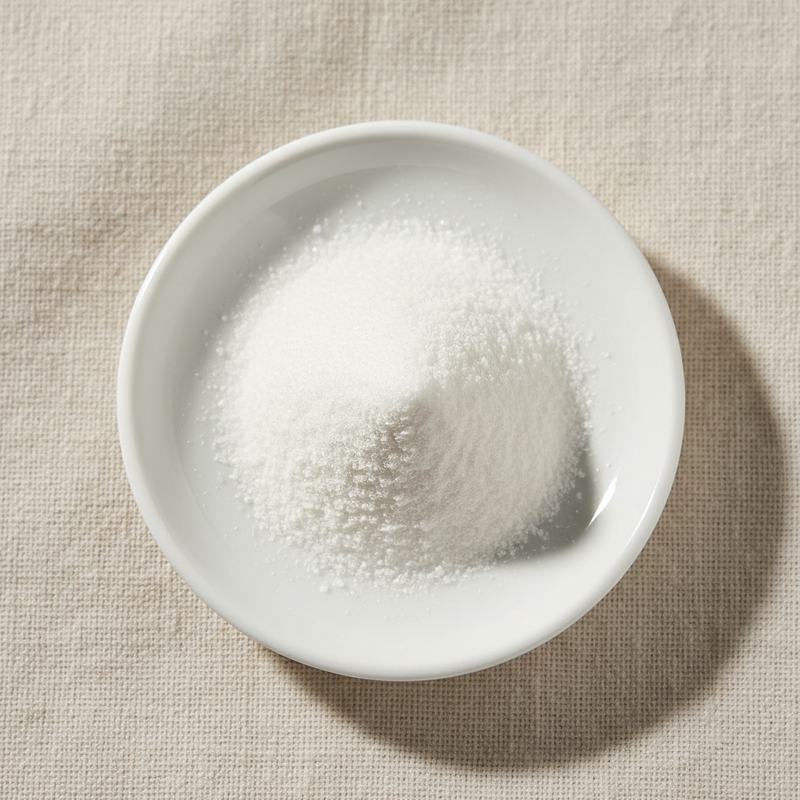
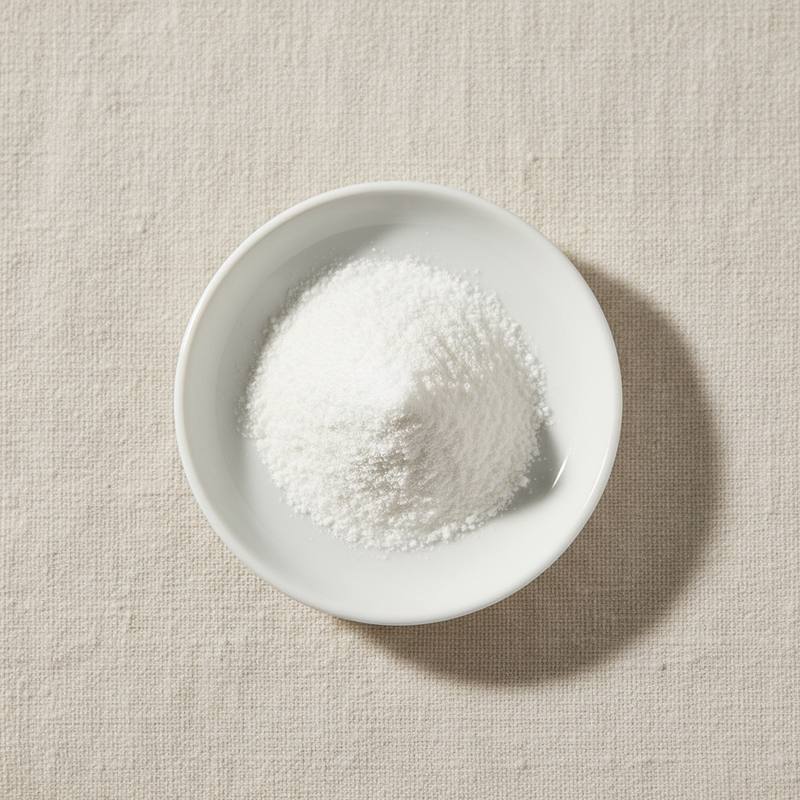
White crystalline or amorphous powder. Highly water-soluble; the HCl form is preferred for aqueous-system applications where rapid dissolution and precise dosing are required.
We supply food-grade and pharmaceutical-grade Polylysine HCl from manufacturers in China holding ISO and other certifications relevant to the product and production.
Common market grades include Low Molecular Weight (food preservation and antimicrobial coating), Medium Molecular Weight (cell culture and biotechnology), and High Molecular Weight (specialty biomedical research). cGMP-grade material is available for pharmaceutical applications.
Bulk and reduced-MOQ shipments. Batch-level COA covering polylysine HCl content, molecular weight, chloride content, residue on ignition, heavy metals, and microbiology.
Introduction
Polylysine HCl is produced by salt formation of polylysine free base with hydrochloric acid, neutralizing the free amine groups to form the corresponding ammonium chloride salt. This modification substantially improves aqueous solubility, powder stability, and handling characteristics compared to the free base form.
The HCl counter-ion is displaced under physiological pH conditions, restoring the polycationic character of the polymer and the associated antimicrobial and cell-adhesion functionality. In food applications, the HCl salt form allows precise dosing and easier dissolution in aqueous systems compared to the less-soluble free base.
Pharmaceutical-grade material is manufactured under cGMP conditions and subject to the same regulatory framework as poly-L-lysine in the respective application jurisdiction. Cell-culture grade material is supplied with documentation of endotoxin and cell-culture-tested microbial limits.
The HCl salt is the form most commonly encountered in laboratory and biotechnology supply, with extensive use in cell adhesion coatings, gene-delivery vector preparation, and as a research reagent in microbiology, biochemistry, and pharmaceutical development laboratories.
Strategic positioning serves laboratory reagent and biotechnology applications (the highest unit value segment), pharmaceutical excipient supply, and specialty food preservation in aqueous-system applications.
Where it is used
- Food preservation antimicrobial dissolved in aqueous systems
- Cell culture substrate coating in neuroscience and tissue culture
- Gene-delivery vector preparation for biotechnology research
- Pharmaceutical formulation excipient
- Antimicrobial film coatings for food packaging applications
- Research reagent for microbiology and biochemistry
- Diagnostic device surface coating
- Specialty cosmetic preservation systems
Technical data
| Item | Specification |
|---|---|
| Appearance | White crystalline or amorphous powder |
| Polylysine HCl content | ≥ 95.0% (dry basis) |
| Molecular weight | 1,000 to 300,000 Da (grade-dependent) |
| Loss on drying | ≤ 8.0% |
| pH (1% solution) | 4.0 to 7.0 |
| Chloride content | 16.0% to 22.0% |
| Residue on ignition | ≤ 2.0% |
| Heavy metals (as Pb) | ≤ 10 mg/kg |
| Arsenic | ≤ 1 mg/kg |
| Total plate count | ≤ 1000 CFU/g |
Related ingredients
Ready to discuss business?
Send us your spec and requirement. We will respond with availability and pricing within 24 hours.