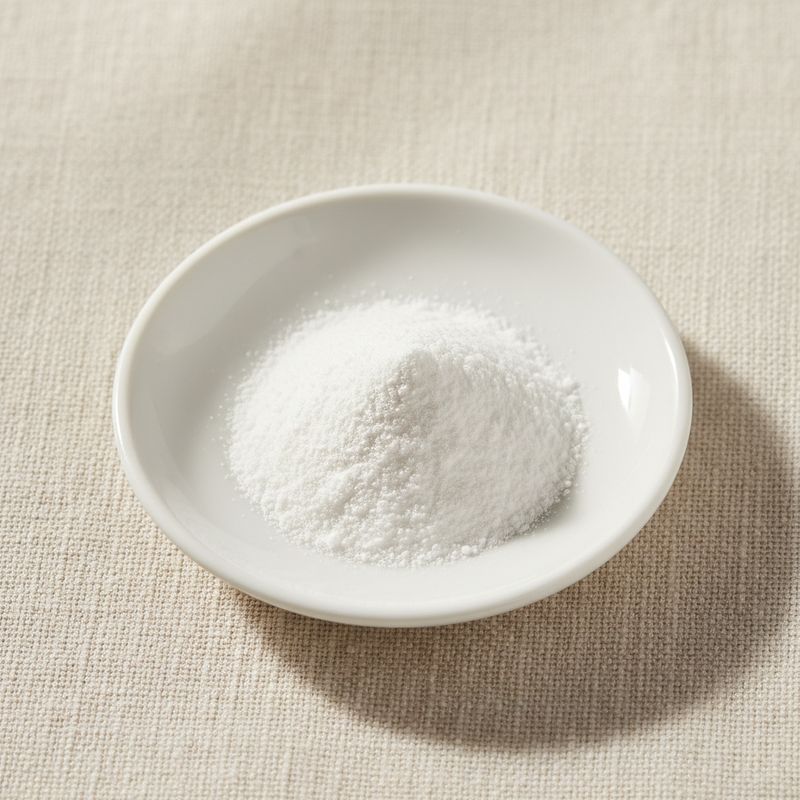
Description
A non-nutritive high-intensity sweetener approximately 7,000 to 13,000 times sweeter than sucrose, with zero calories and an exceptionally clean sugar-like taste profile.
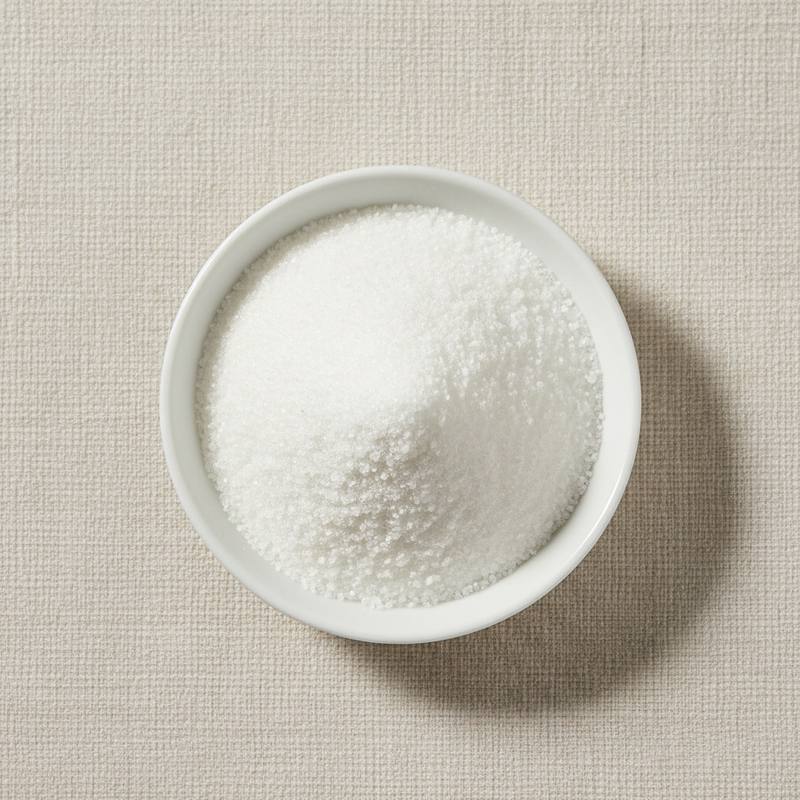
White to off-white powder. A structural derivative of aspartame in which a 3,3-dimethylbutyl group blocks enzymatic release of phenylalanine, eliminating the PKU labeling requirement that applies to aspartame.
We supply food-grade Neotame from manufacturers in China holding ISO, Halal, Kosher and other certifications relevant to the product and production.
Common market grades include standard 100-mesh food-grade powder, plus pre-blended Neotame-with-bulking-agent systems produced to customer specification, often dosed at 1 to 2 percent active for ease of handling at finished-product scale.
Bulk and reduced-MOQ shipments. Batch-level COA covering assay, specific rotation, related substances, residue on ignition, and microbiology.
Introduction
Neotame was developed by NutraSweet, the original aspartame manufacturer, and approved by the U.S. FDA in 2002 following a comprehensive safety review.
The molecule is N-(3,3-dimethylbutyl)-L-α-aspartyl-L-phenylalanine 1-methyl ester, an N-alkylated derivative of aspartame. The 3,3-dimethylbutyl substituent on the aspartic acid nitrogen blocks the gut peptidase that would otherwise release phenylalanine during digestion. As a result, Neotame does not require the PKU warning label that applies to aspartame in regulated markets.
Regulated as E961 in the EU, approved by JECFA with an Acceptable Daily Intake of 2 mg per kg body weight, and classified as safe by the U.S. FDA.
Sweetness intensity of 7,000 to 13,000 times sucrose means typical use levels are 30 to 100 times lower than aspartame. This produces meaningful cost savings in finished-product formulation despite higher per-kg ingredient cost.
Heat stability is substantially better than aspartame, which expands suitable applications to extended baking and retort processing. Solubility and pH stability profiles are similar to aspartame, with optimal performance between pH 3.5 and 5.5.
Where it is used
- Diet carbonated and still beverages, sports drinks, and RTD teas; typical dosing 5 to 20 mg per liter
- Tabletop sweetener formats: sachets, tablets, and liquid drops; co-formulated with bulking agents
- Sugar-free chewing gum, breath mints, hard candies, and lozenges
- Sugar-free dairy: yogurt, flavored milk, ice cream, and frozen desserts
- Sugar-free baked goods; significantly more heat-stable than aspartame in extended baking
- Pharmaceutical chewable tablets and oral solutions; effective at low doses for masking bitter actives
- Cost-reduction blends with sucralose or Acesulfame K, where Neotame's extreme sweetness intensity drops finished-product sweetener cost
Technical data
| Item | Specification |
|---|---|
| Appearance | White to off-white powder |
| Assay (dry basis) | 97.0% to 102.0% |
| Loss on drying | ≤ 5.0% |
| pH (0.5% solution) | 5.0 to 7.0 |
| Specific rotation | −40.0° to −50.0° |
| Heavy metals (as Pb) | ≤ 10 mg/kg |
| Arsenic | ≤ 2 mg/kg |
| Residue on ignition | ≤ 0.2% |
| Related substances | ≤ 2.0% |
| Particle size | Per customer specification |
Related ingredients
Ready to discuss business?
Send us your spec and requirement. We will respond with availability and pricing within 24 hours.