Description
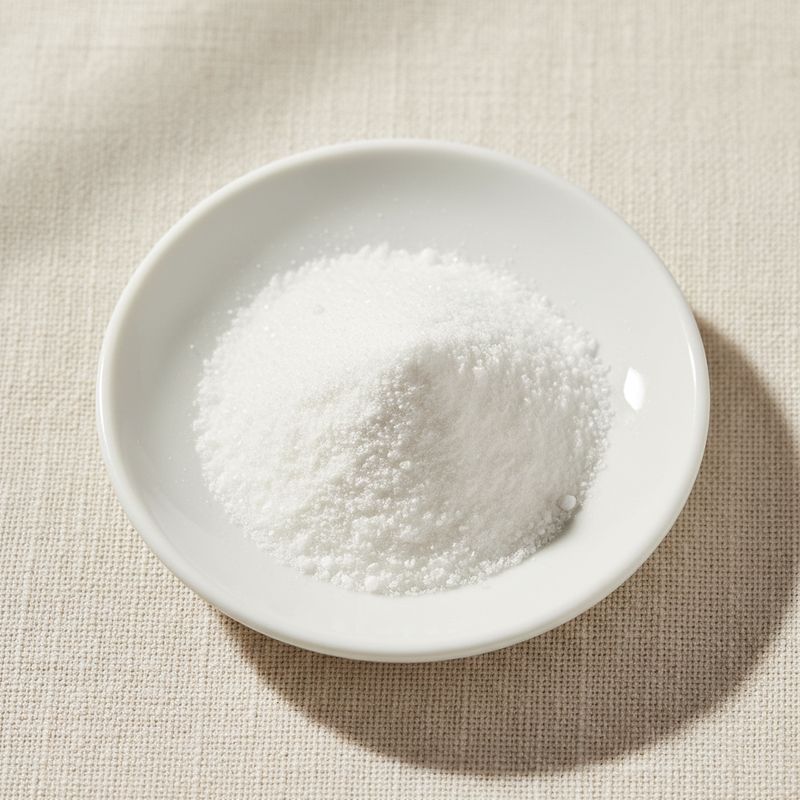
The methyl ester of p-Hydroxybenzoic Acid (Methylparaben), the dominant paraben preservative in pharmaceutical and cosmetic applications. Active across a broader pH range than Benzoate or Sorbate (effective from pH 3 to 8) and against a broader microbial spectrum.
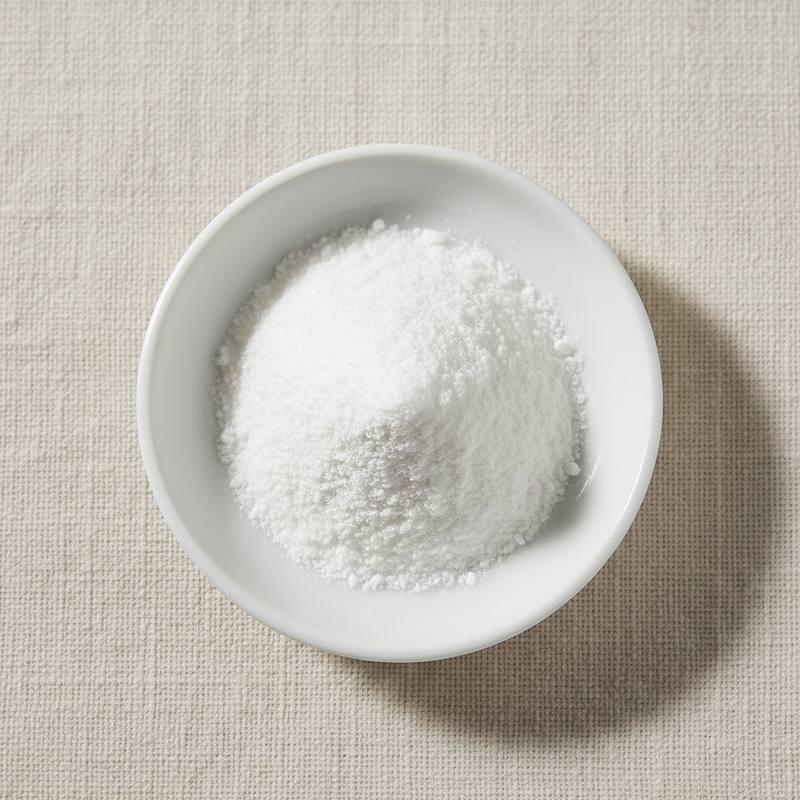
White crystalline powder or colorless crystals. Limited water solubility (approximately 2.5 g/L); soluble in alcohol, glycerol, and oils. Used at 0.05 to 0.2 percent concentrations.
We supply food-grade and pharmaceutical-grade Methyl p-Hydroxybenzoate from manufacturers in China holding ISO, Halal, Kosher and other certifications relevant to the product and production.
Common market grades include Standard Food Grade (FCC compliant), Pharmaceutical Grade meeting BP/USP/EP/JP specifications (the dominant grade), and pre-blended Methylparaben-with-Propylparaben systems for synergistic broad-spectrum preservation.
Bulk and reduced-MOQ shipments. Batch-level COA covering assay, melting point, free p-hydroxybenzoic acid, heavy metals, and microbiology.
Introduction
Methylparaben was developed in the 1920s as a synthetic preservative and rapidly became the foundation of pharmaceutical and cosmetic preservation systems globally. The compound occurs naturally in some plants including blueberries.
Industrial production proceeds by esterification of p-Hydroxybenzoic Acid with methanol under acid catalysis, followed by purification through recrystallization. Other parabens (Ethylparaben, Propylparaben, Butylparaben) are produced by analogous esterification with the corresponding alcohol.
Regulated as E218 in the EU (with restrictions in food applications since 2006 driven by endocrine-disruption concerns), classified as Generally Recognized as Safe by the U.S. FDA for limited food use, listed in BP, USP, EP, and JP pharmacopoeias for pharmaceutical applications, and approved by JECFA with a group Acceptable Daily Intake of 10 mg per kg body weight for methyl, ethyl, and propylparabens combined.
The molecule's antimicrobial activity exceeds Benzoate and Sorbate in both pH range and microbial spectrum: parabens work from pH 3 to 8 and against yeasts, molds, and many bacteria. Activity increases with chain length (Methyl < Ethyl < Propyl < Butyl), as does both effectiveness and price.
The principal regulatory consideration is that some markets have restricted or banned paraben use in food applications since 2006 over endocrine-disruption concerns. Pharmaceutical and cosmetic use remains broadly permitted globally, with the EU implementing concentration limits rather than outright bans for these categories.
Where it is used
- Pharmaceutical syrups, oral suspensions, and topical creams; the dominant paraben in pharmaceutical applications globally
- Cosmetic creams, lotions, shampoos, and sunscreens (in markets where parabens remain permitted)
- Soy sauce, fruit dressings, and limited food applications in some Asian markets
- Toothpaste and oral-care formulations
- Tobacco product preservation
- Personal-care products including liquid soaps and hand sanitizers
- Veterinary topical and oral pharmaceutical formulations
- Adhesive and ink preservation in industrial applications
Technical data
| Item | Specification |
|---|---|
| Appearance | White crystalline powder or colorless crystals |
| Assay (dry basis) | 99.0% to 100.5% |
| Melting point | 125 °C to 128 °C |
| Loss on drying | ≤ 0.5% |
| Residue on ignition | ≤ 0.05% |
| Free p-hydroxybenzoic acid | ≤ 0.3% |
| Heavy metals (as Pb) | ≤ 10 mg/kg |
| Arsenic | ≤ 3 mg/kg |
| Particle size | Per customer specification |
Related ingredients
Ready to discuss business?
Send us your spec and requirement. We will respond with availability and pricing within 24 hours.