Description
The propyl ester of p-hydroxybenzoic acid and the second-most-used paraben globally. Stronger antimicrobial activity than Methylparaben on a molar basis but lower water solubility, the property combination that makes the two parabens almost always co-formulated together.
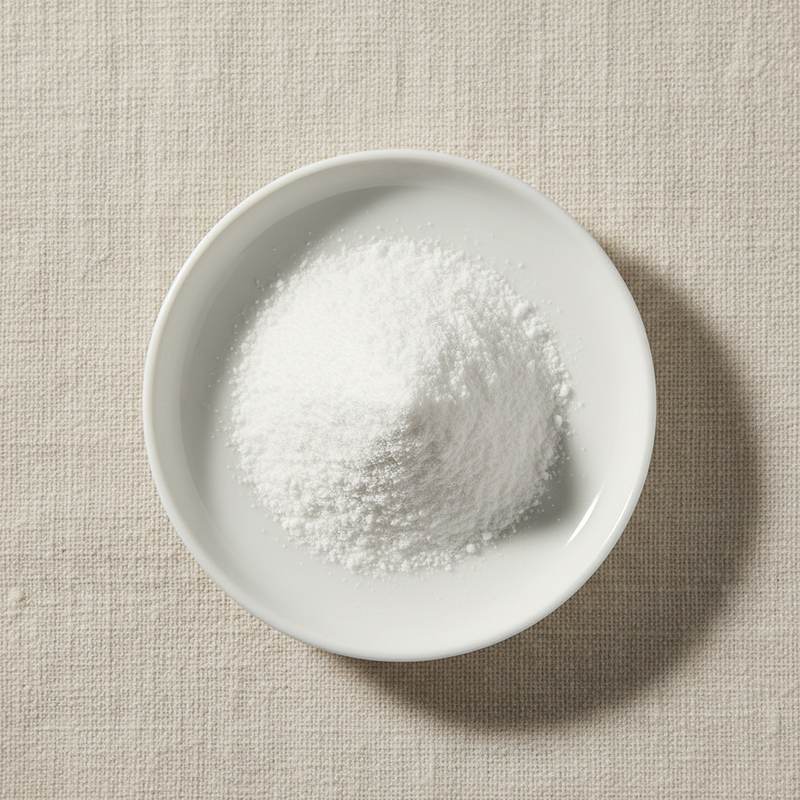
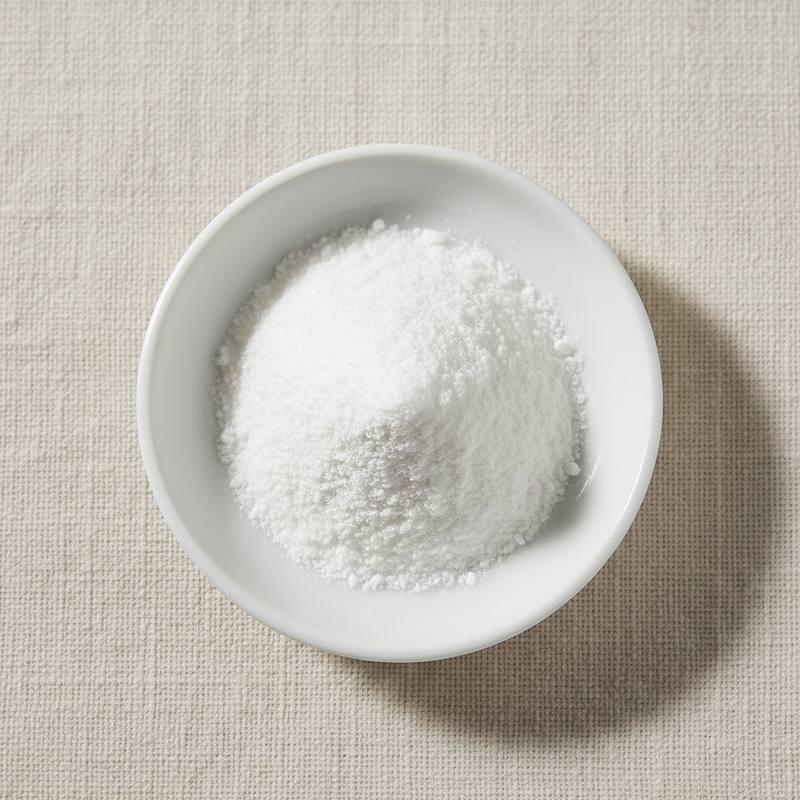
White crystalline powder. Water solubility approximately 0.5 g/L at 20 °C; freely soluble in alcohol, propylene glycol, and oils. Effective across a broad pH range (3 to 8), the widest of any common preservative class.
We supply food-grade and pharmaceutical-grade Propylparaben from manufacturers in China holding ISO, Halal, Kosher and other certifications relevant to the product and production.
Common market grades include Standard Food Grade (FCC compliant), Pharmaceutical Grade meeting BP/USP/EP/JP specifications, and pre-blended paraben systems combining methyl and propyl parabens at the standard 3:1 or 10:1 ratios.
Bulk and reduced-MOQ shipments. Batch-level COA covering assay, related parabens, heavy metals, and microbiology.
Introduction
Propylparaben was developed in the 1920s alongside Methylparaben as part of the original Nipa paraben series developed by Sabalitschka in Germany. The propyl ester offered stronger antimicrobial activity than the methyl ester while remaining sufficiently soluble for practical formulation use.
Industrial production proceeds by Fischer esterification of p-hydroxybenzoic acid with n-propanol under sulfuric acid catalysis, followed by neutralization, washing, and crystallization. p-Hydroxybenzoic acid in turn is produced by the Kolbe-Schmitt reaction of potassium phenolate with carbon dioxide.
Regulated as E216 in the EU (with use limited to specific food categories at restricted levels), listed in BP, USP, EP, and JP pharmacopoeias, and approved by JECFA as part of the group Acceptable Daily Intake of 10 mg per kg body weight covering methyl and propyl parabens together.
The molecule's antimicrobial activity increases with alkyl chain length up to butyl; propyl sits at an effective intermediate point with strong activity and acceptable solubility. Activity is concentrated against yeasts and molds, with somewhat weaker action against Gram-negative bacteria, which is why parabens are typically co-formulated with other preservatives in broad-spectrum systems.
The standard formulation pairing is Methylparaben plus Propylparaben at a 3:1 or 10:1 ratio. The methyl ester contributes water-phase preservation; the propyl ester partitions into lipid phases and provides preservation at the oil-water interface. The combination delivers broad-spectrum activity at lower combined use levels than either paraben alone.
Where it is used
- Pharmaceutical oral solutions, suspensions, and topical creams; almost universally co-formulated with Methylparaben
- Cosmetic and personal-care products: lotions, creams, shampoos, and color cosmetics
- Food applications: jams, syrups, soft drinks, and processed fish products in approved jurisdictions
- Pre-blended paraben preservative systems at the standard methyl-to-propyl 3:1 ratio
- Pharmaceutical injectable preparations requiring multi-dose preservation
- Veterinary pharmaceutical and animal-feed preservation
- Industrial water-based products: adhesives, coatings, and process water systems
- Beverage preservation in approved markets, particularly carbonated soft drinks and flavored beverages
Technical data
| Item | Specification |
|---|---|
| Appearance | White crystalline powder |
| Assay (dry basis) | 99.0% to 100.5% |
| Melting point | 96 °C to 99 °C |
| Loss on drying | ≤ 0.5% |
| Residue on ignition | ≤ 0.05% |
| Acidity | Passes test |
| Related parabens | ≤ 1.0% |
| Heavy metals (as Pb) | ≤ 10 mg/kg |
| Arsenic | ≤ 3 mg/kg |
Related ingredients
Ready to discuss business?
Send us your spec and requirement. We will respond with availability and pricing within 24 hours.