Description
The butyl ester of p-hydroxybenzoic acid and the most active paraben on a molar basis. Lower water solubility than the methyl and propyl forms; preferred for oil-phase preservation and for cosmetic emulsions where lipid-phase contamination is the principal preservation challenge.
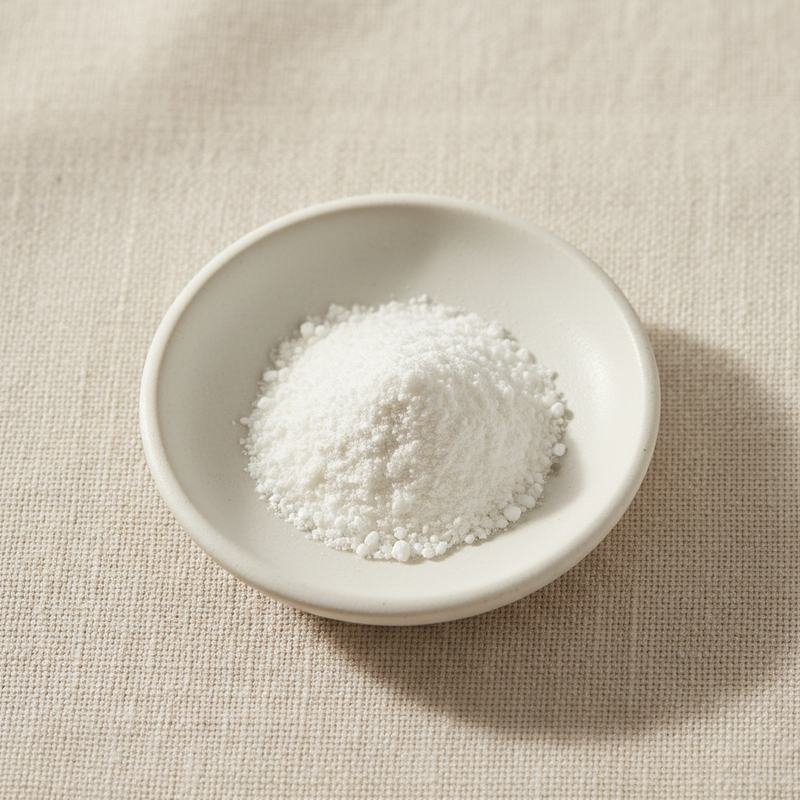
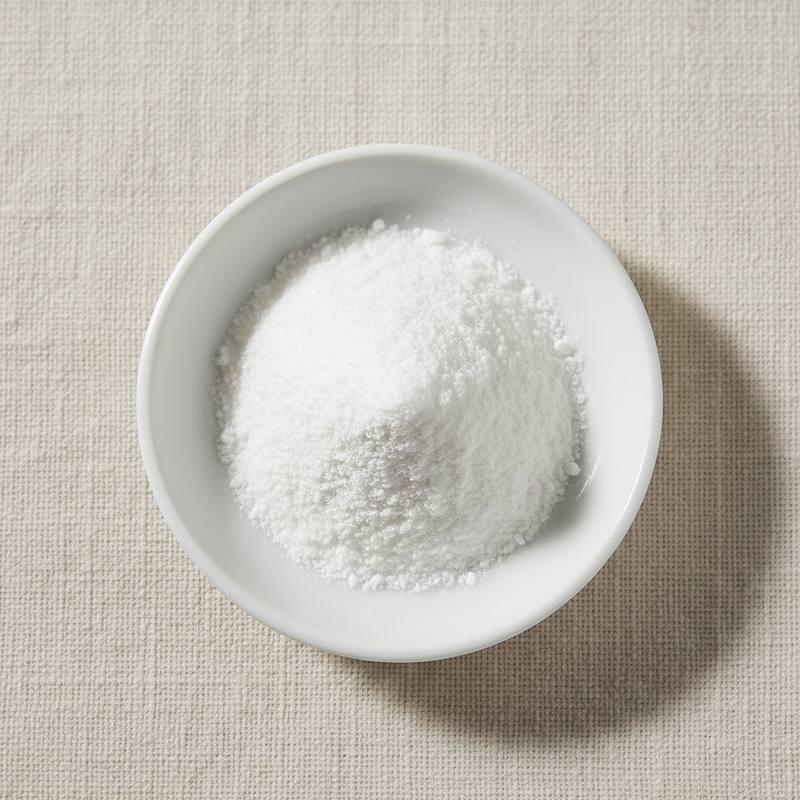
White crystalline powder. Water solubility approximately 0.2 g/L at 20 °C; freely soluble in alcohol, propylene glycol, and oils. Effective across pH 3 to 8 with the highest intrinsic potency in the paraben family.
We supply pharmaceutical-grade and cosmetic-grade Butylparaben from manufacturers in China holding ISO, Halal, Kosher and other certifications relevant to the product and production.
Common market grades include Pharmaceutical Grade meeting BP/USP/EP specifications, Cosmetic Grade for emulsion preservation, and pre-blended paraben systems combining methyl, propyl, and butyl parabens for premium broad-spectrum coverage.
Bulk and reduced-MOQ shipments. Batch-level COA covering assay, related parabens, heavy metals, and microbiology.
Introduction
Butylparaben was developed alongside the shorter-chain paraben esters as the high-potency member of the series. The longer alkyl chain increases membrane permeability and intrinsic antimicrobial activity but reduces aqueous solubility, creating a tradeoff that shapes application range.
Industrial production proceeds by Fischer esterification of p-hydroxybenzoic acid with n-butanol under sulfuric acid catalysis, followed by neutralization, washing, and crystallization.
Listed in BP, USP, and EP pharmacopoeias. EU food approval as E209 was withdrawn in 2006 following European Food Safety Authority reassessment, and Butylparaben is no longer permitted as a food preservative in the EU. Pharmaceutical, cosmetic, and personal-care use remains approved, with concentration limits set by regulation. Approval status varies by jurisdiction outside the EU.
The molecule's antimicrobial mechanism is identical to other parabens but operates with higher potency due to greater lipid solubility and stronger interaction with microbial membrane lipid bilayers. Use levels are correspondingly lower (typically 0.02 to 0.4 percent in cosmetic preparations versus 0.1 to 0.4 percent for Methylparaben).
Regulatory positioning is more constrained than the shorter-chain parabens. Cosmetic concentration limits have been progressively reduced in the EU and parts of Asia, and consumer-perception pressure has driven some reformulation toward alternatives. Pharmaceutical use remains stable where preservation efficacy at minimum dose is the dominant consideration.
Where it is used
- Cosmetic emulsion preservation: lotions, creams, and color cosmetics requiring lipid-phase protection
- Pharmaceutical topical creams, ointments, and oil-based formulations
- Premium pre-blended paraben preservative systems alongside methyl and propyl parabens
- Pharmaceutical injectable preparations requiring high-potency preservation at minimum use level
- Food applications in jurisdictions where Butylparaben remains approved (E209 status removed in some markets)
- Industrial oil-phase formulations including lubricants and cutting fluids
- Veterinary topical and feed-additive applications
- Specialty preservation in oil-based personal care products and lipsticks
Technical data
| Item | Specification |
|---|---|
| Appearance | White crystalline powder |
| Assay (dry basis) | 99.0% to 100.5% |
| Melting point | 68 °C to 71 °C |
| Loss on drying | ≤ 0.5% |
| Residue on ignition | ≤ 0.05% |
| Acidity | Passes test |
| Related parabens | ≤ 1.0% |
| Heavy metals (as Pb) | ≤ 10 mg/kg |
| Arsenic | ≤ 3 mg/kg |
Related ingredients
Ready to discuss business?
Send us your spec and requirement. We will respond with availability and pricing within 24 hours.