Description
The general-catalog SKU for L-Menthol covering both natural and synthetic forms across multiple physical formats (crystals, granules, powder). The dominant cooling-flavor compound globally.
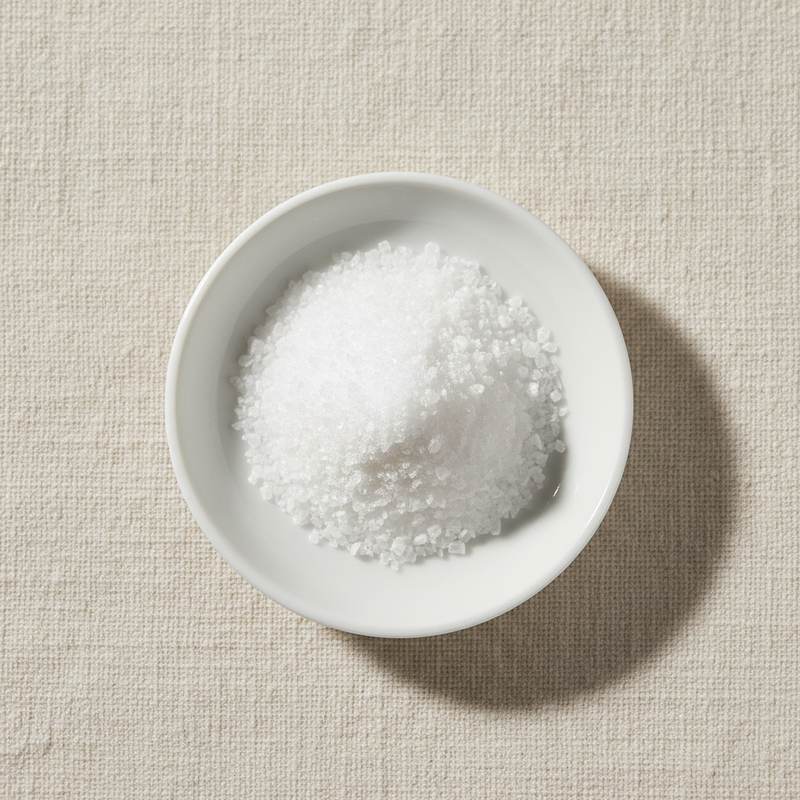
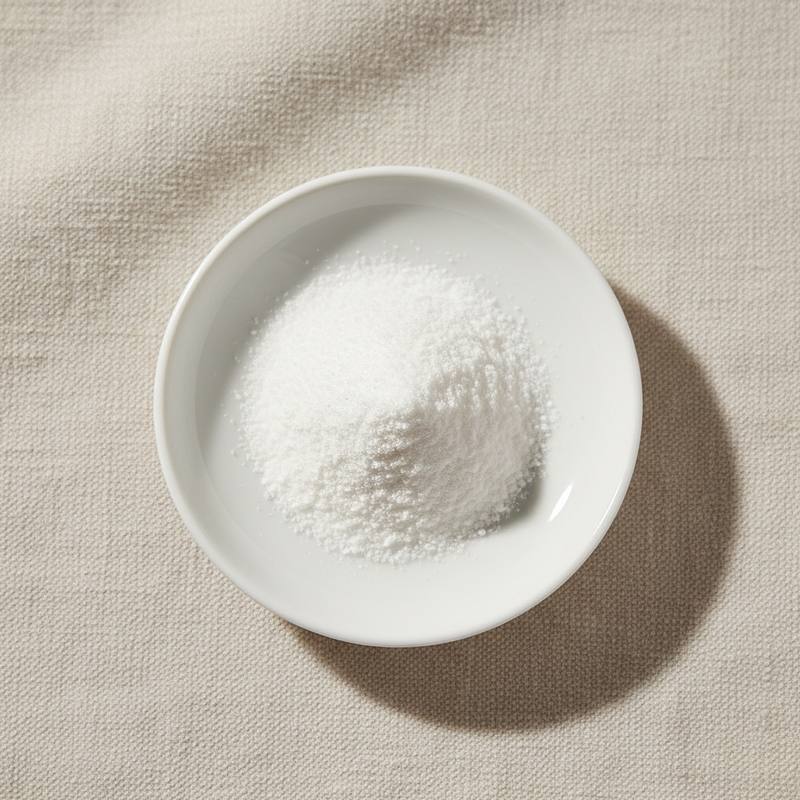
White crystalline solid with characteristic peppermint aroma. Multiple physical formats available depending on the application: crystalline solid for dry blends, micronized powder for spray-coating, and dissolved liquid forms for direct beverage and pharmaceutical use.
We supply food-grade and pharmaceutical-grade Menthol from manufacturers in China holding ISO, Halal, Kosher and other certifications relevant to the product and production.
Common market grades include Natural L-Menthol from peppermint oil distillation (premium grade), Synthetic L-Menthol from m-cresol or citronellal synthesis (cost-effective workhorse), Pharmaceutical Grade meeting BP/USP/EP/JP specifications, and Micronized Menthol for spray-coating and dry-blend applications.
Bulk and reduced-MOQ shipments. Batch-level COA covering assay, specific rotation, melting point, refractive index, heavy metals, and microbiology.
Introduction
This SKU covers the general-purpose L-Menthol catalog entry, distinct from the specifically crystalline-format Menthol Crystals SKU (catalog id 7999) by including multiple physical formats and grade options under a single product code.
Menthol was first isolated from peppermint oil in 1771. Industrial production splits between distillation from peppermint oil (yielding natural L-Menthol) and asymmetric chemical synthesis from m-cresol or citronellal (yielding synthetic L-Menthol chemically identical to the natural form).
Recognized as a permitted food ingredient by the U.S. FDA, the European Food Safety Authority, and equivalent regulators worldwide. Listed in BP, USP, EP, and JP pharmacopoeias.
The molecule's cooling sensation comes from agonist activity at the TRPM8 cold-sensitive ion channel, a direct neural-receptor effect rather than actual temperature change.
The choice between natural and synthetic L-Menthol is driven by labeling and cost rather than performance: both forms are chemically identical and behave identically in all applications. Premium retail products select natural-positioned distilled Menthol; cost-driven applications including pharmaceutical, tobacco, and most confectionery use synthetic Menthol.
Where it is used
- Chewing gum, hard candies, and mints; the dominant cooling-flavor compound
- Toothpaste, mouthwash, and oral-care products
- Pharmaceutical cough drops, throat lozenges, and topical analgesic creams
- Tobacco products: menthol cigarettes and e-liquids
- Cosmetic and personal-care: shaving creams, aftershave, cooling skincare
- Vapor rubs, decongestants, and inhalation therapy
- Beverages: peppermint teas and specialty cocktails
- Frozen desserts and mint ice cream
Technical data
| Item | Specification |
|---|---|
| Appearance | White crystalline solid |
| Assay | ≥ 99.0% |
| Specific rotation | −49.0° to −50.5° |
| Melting point | 42 °C to 44 °C |
| Refractive index (20 °C) | 1.461 to 1.466 |
| Heavy metals (as Pb) | ≤ 10 mg/kg |
| Arsenic | ≤ 3 mg/kg |
| Residue on ignition | ≤ 0.05% |
Related ingredients
Ready to discuss business?
Send us your spec and requirement. We will respond with availability and pricing within 24 hours.