
Description
The standard medium-chain triglyceride product of commerce, a blend of caprylic (C8) and capric (C10) triglycerides at defined ratios. The general-purpose MCT used across nutrition, pharmaceutical, and cosmetic applications.
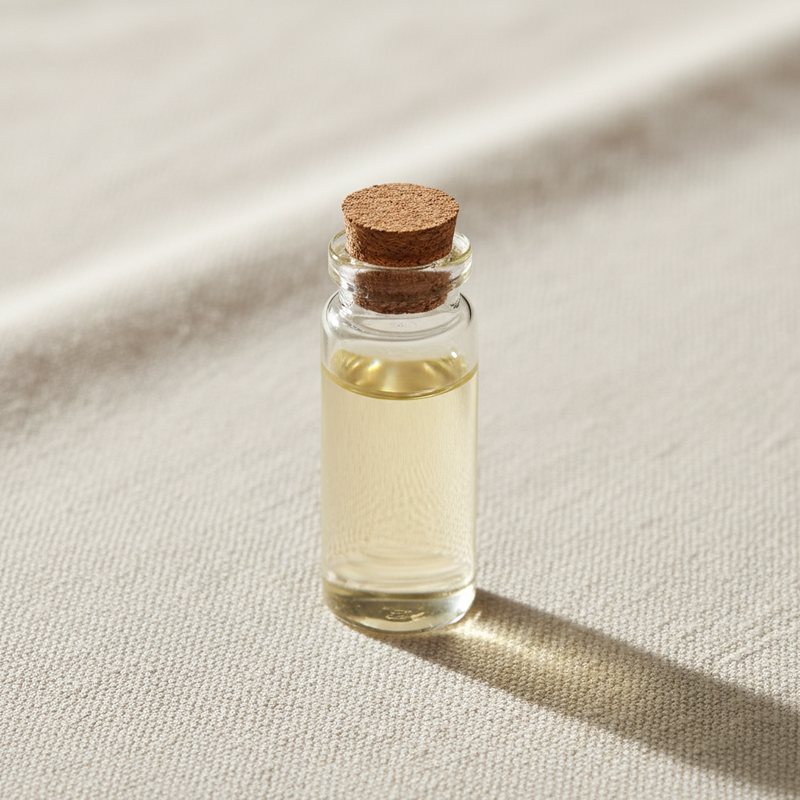
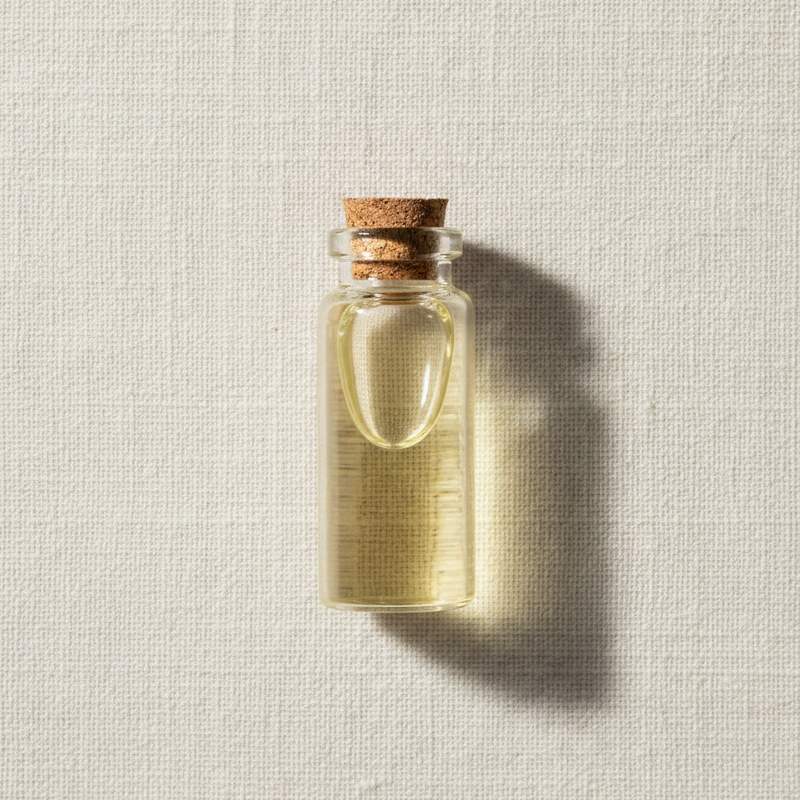
Colorless to very pale yellow clear oil. Liquid at room temperature with low viscosity and a neutral sensory profile suitable for incorporation into a wide range of finished products.
We supply food-grade and pharmaceutical-grade MCT C8/C10 Blend from manufacturers in China holding ISO, Halal, Kosher and other certifications relevant to the product and production.
Common market ratios include 60:40 C8:C10 (the standard sports-nutrition specification), 50:50 C8:C10 (cost-balanced general-purpose), and 70:30 C8:C10 (premium ketogenic-leaning). Pharmaceutical-grade material meeting USP and EP MCT monographs is the highest specification level.
Bulk and reduced-MOQ shipments. Batch-level COA covering fatty acid profile, acid and peroxide values, moisture, heavy metals, and microbiology.
Introduction
MCT oil as a commercial product emerged from clinical nutrition research in the 1950s and 1960s, originally developed for patients with fat-absorption disorders who could not metabolize long-chain triglycerides effectively.
The standard product is a blend of C8 and C10 triglycerides, the two principal medium-chain fatty acids in coconut and palm kernel oil. C6 (caproic) is typically excluded due to taste, and C12 (lauric) behaves metabolically more like long-chain than medium-chain triglyceride.
Production proceeds through hydrolysis of coconut or palm kernel oil, fractional distillation of the fatty acid mixture, and re-esterification of the C8 and C10 fractions with food-grade glycerol at a controlled ratio. Final material is bleached, deodorized, and packed under inert atmosphere.
Regulatory recognition is comprehensive: GRAS in the United States, approved as a food in the European Union, and listed in USP, EP, JP, and BP pharmacopoeias as a pharmaceutical excipient.
The C8:C10 ratio is selected based on application requirements: higher C8 favors rapid ketone production, while higher C10 provides longer-duration energy release and lower cost.
Where it is used
- MCT oil consumer products in liquid bottle, softgel, and powder formats
- Sports nutrition and pre-workout formulations
- Ketogenic-diet supplements and MCT-fortified beverages
- Functional coffees, creamers, and bulletproof-style products
- Pharmaceutical lipid-based drug delivery systems and softgel fill materials
- Cosmetic emollient applications across skin and hair care
- Infant nutrition and clinical nutrition formulations
- Functional food fortification in bars, snacks, and dairy alternatives
- Pet nutrition including senior and weight-management products
Technical data
| Item | Specification |
|---|---|
| Appearance | Colorless to very pale yellow clear oil |
| C8 caprylic acid content | 50% to 65% |
| C10 capric acid content | 35% to 50% |
| C6 + C12 + longer chains | ≤ 3.0% |
| Acid value | ≤ 0.2 mg KOH/g |
| Peroxide value | ≤ 1.0 meq/kg |
| Saponification value | 325 to 345 mg KOH/g |
| Iodine value | ≤ 0.5 |
| Moisture | ≤ 0.1% |
| Heavy metals (as Pb) | ≤ 0.1 mg/kg |
Related ingredients
Ready to discuss business?
Send us your spec and requirement. We will respond with availability and pricing within 24 hours.